Japanese student mistakenly killed at wrong house
Yoshihiro Hattori, a 16-year-old Japanese exchange student, excitedly knocked on the door of what he thought was the house of a Halloween party in Baton Rouge, Louisiana. Instead, he found himself face-to-face with Rodney Peairce, a homeowner who mistook the unsuspecting teenager for an intruder. In the heat of the moment, Peairce fatally shot Hattori, leaving a community in shock and sparking international outrage. The devastating incident raised questions about gun ownership, racial tensions, and cultural differences.
The Fatal Mistake: A Lesson in Cultural Differences and Gun Ownership
A Night of Celebration Turns to Tragedy
The Yoshihiro Hattori incident is a heart-wrenching tale of mistaken identity, cultural misunderstandings, and the devastating consequences of gun ownership. On a fateful Halloween night in 1992, 16-year-old Japanese exchange student Yoshihiro Hattori knocked on the wrong door in Baton Rouge, Louisiana, only to be fatally shot by the homeowner, Rodney Peairce.
A Celebration Gone Wrong
Yoshihiro Hattori, excited to attend a Halloween party, had mistakenly gone to the wrong house. Unaware of the cultural nuances of the American celebration, he donned a bright orange jacket and headed to what he thought was the party location. Unfortunately, his mistake would prove fatal.
Rodney Peairce: The Homeowner Who Pulled the Trigger
Rodney Peairce, the homeowner who shot Hattori, claimed he mistook the teenager for an intruder. However, many have questioned whether racial tensions and cultural biases played a role in the incident. Peairce's actions sparked outrage in both the United States and Japan, leading to calls for stricter gun control laws and increased cultural understanding.
A Timeline of Tragic Events
- October 17, 1992: Yoshihiro Hattori attends a Halloween party in Baton Rouge, Louisiana.
- Late evening: Hattori leaves the party, intending to visit a friend who lived nearby.
- Approximately 10:30 pm: Hattori mistakenly knocks on the door of Rodney Peairce's house.
- Peairce, mistaking Hattori for an intruder, fatally shoots the teenager.
The Aftermath: International Outrage and Calls for Change
The Yoshihiro Hattori incident sent shockwaves around the world, with many condemning Peairce's actions and calling for stricter gun control laws. In Japan, the incident sparked widespread outrage, with many viewing it as a symbol of America's gun culture. The incident also led to increased cultural exchange programs and educational initiatives aimed at promoting cross-cultural understanding.
A Lesson in Cultural Differences
The Hattori incident highlights the importance of cultural understanding and sensitivity. In Japan, it is customary to remove one's shoes before entering a home, a tradition unfamiliar to many Americans. This cultural difference, combined with Hattori's limited English and Peairce's misunderstanding, ultimately led to the tragedy.
A Lasting Impact
The Yoshihiro Hattori incident serves as a poignant reminder of the devastating consequences of mistaken assumptions and the importance of cultural understanding. It has also sparked important conversations about gun ownership and control in the United States. As we reflect on this tragic event, we are reminded of the importance of empathy, understanding, and responsible gun ownership.
Remembering Yoshihiro Hattori
Though his life was cut short, Yoshihiro Hattori's legacy lives on. His story serves as a powerful reminder of the importance of cultural exchange and understanding. As we remember this bright and curious young man, we are reminded of the importance of promoting peace, tolerance, and understanding in our increasingly interconnected world.
Character Analysis
Rodney Peairce: A Complex Figure
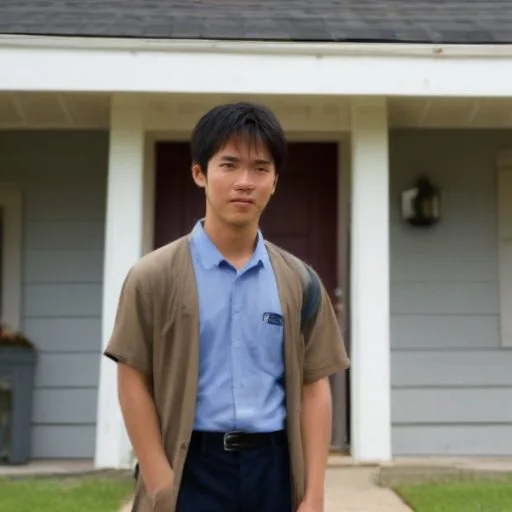
Rodney Peairce, the homeowner who fatally shot Yoshihiro Hattori, remains an enigmatic figure to this day. While some portray him as a victim of circumstance, others see him as a symbol of American gun culture gone wrong. Peairce's background, including his military service and self-employed entrepreneurial ventures, has been subject to scrutiny in the aftermath of the incident. Despite his claims of mistaking Hattori for an intruder, many have questioned whether racial biases and cultural misunderstandings played a role in the tragedy.
Peairce's actions that fateful Halloween night have sparked debates about the responsibilities that come with gun ownership. In the years following the incident, Peairce faded from public view, leaving behind a legacy of tragedy and controversy.

Comprehensive Cultural Examination
From Tragedy to Understanding: The Cultural Impact of the Hattori Incident
The Yoshihiro Hattori incident sent shockwaves around the world, highlighting the significance of cultural understanding in international exchange programs. In the aftermath of the tragedy, cultural exchange organizations scrambled to address the cultural differences that led to Hattori's demise. Educational initiatives and cultural sensitivity training programs were implemented to ensure that future exchange students would be better equipped to navigate the complexities of American culture.
The incident also sparked a renewed focus on international communication, with an emphasis on breaking down cultural barriers. The tragedy served as a wake-up call for international students, exchange programs, and host families, underscoring the importance of mutual understanding and respect in cross-cultural interactions.
Broad Historical Examination
The 1980s and 1990s: A Turbulent Decade for International Exchange
The 1980s and 1990s were marked by a significant increase in international exchange programs, with Japan and the United States leading the way. Exchange student numbers soared, as young people from around the world flocked to experience new cultures and educational systems. However, this influx of international students also brought its own set of challenges, including cultural misunderstandings, language barriers, and homesickness.
The Hattori incident occurred during a time of growing uncertainty, as the world grappled with the end of the Cold War and the rise of global interconnectedness. Against this backdrop, the tragedy served as a poignant reminder of the importance of cultural understanding and sensitivity in international relations.
Study of Educational Effects
Lessons Learned: Educational Initiatives in the Wake of the Hattori Incident
In the aftermath of the tragedy, educators and international exchange organizations rallied together to develop educational initiatives aimed at promoting cross-cultural understanding. Cultural sensitivity training programs were implemented, focusing on the nuances of American culture and the importance of empathy in international interactions.
These initiatives have since become an integral part of international exchange programs, providing students and host families with the tools necessary to navigate the complexities of cross-cultural communication. By learning from the Hattori incident, educators and exchange organizations have worked to ensure that future generations of international students can thrive in their new environments.
Geopolitical Dynamics Review
A Geopolitical Backdrop: The Hattori Incident in Context
The Yoshihiro Hattori incident occurred during a time of significant geopolitical change, as the world transitioned from a bipolar to a multipolar system. The end of the Cold War had brought about a new era of global interconnectedness, marked by increased international exchange and global communication.
Against this backdrop, the Hattori incident highlighted the importance of cultural understanding in international relations. As the world became increasingly interconnected, the tragedy served as a poignant reminder of the need for empathy, tolerance, and cross-cultural understanding in our globalized world.>


