


The Great Hurricane of 1780 is infamously known as one of the deadliest and most destructive natural disasters in recorded history, claiming the lives of an estimated 20,000 to 30,000 people in the Caribbean. This catastrophic storm swept through the region, leaving a trail of devastation and despair in its wake.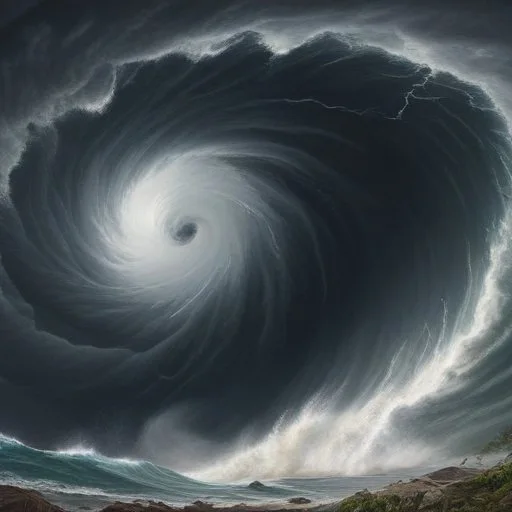
The hurricane struck during the midst of the Atlantic hurricane season, catching the Caribbean islands off guard. The storm's powerful winds, reaching speeds of up to 200 miles per hour, and torrential rains brought widespread destruction to the region. Entire cities and crops were obliterated, leaving thousands of people homeless and without access to basic necessities.
The islands of Martinique, St. Lucia, and Puerto Rico bore the brunt of the hurricane's fury. These densely populated areas were ravaged by the storm's unrelenting winds and rains, resulting in unprecedented loss of life and property. Barbados and Hispaniola also suffered significant damage, making the Great Hurricane of 1780 one of the most devastating disasters to affect the Caribbean region.
As news of the hurricane's destruction spread, panic set in among the affected communities. Governments and relief organizations scrambled to respond to the disaster, but the remoteness of the affected areas and the lack of modern communication systems hindered their efforts. The British Navy, which had a significant presence in the Caribbean, played a crucial role in providing aid and assistance to the affected populations.
The Great Hurricane of 1780 had a profound impact on the social, economic, and cultural fabric of the Caribbean region. The disaster led to significant changes in the way hurricanes were predicted and prepared for, with the establishment of early warning systems and improved disaster management strategies. The hurricane also had a lasting impact on the region's architecture, with buildings constructed to withstand the fury of future storms.
The Great Hurricane of 1780 serves as a stark reminder of the fury of nature and the importance of being prepared for the unexpected. This devastating disaster has taught us that even in the face of tragedy, humanity can come together to rebuild and recover. As we reflect on this tragic event, we honor the memories of those who lost their lives and recommit ourselves to being vigilant in the face of natural disasters.
As we remember the victims of the Great Hurricane of 1780, we are reminded of the importance of being prepared for the unexpected and honoring the memories of those who came before us.
The Great Hurricane of 1780 has been the subject of much historical debate and scrutiny. Recent reevaluations of the event have led historians to question the accuracy of previous accounts, citing biases and inconsistencies in contemporary records.
One of the most significant challenges in studying the Great Hurricane of 1780 is the lack of reliable sources from the time period. Many records were destroyed or lost in the storm, leaving historians to rely on secondary accounts and oral traditions.
Despite these challenges, historians have made significant strides in reconstructing the events surrounding the hurricane. Through careful analysis of primary sources and eyewitness accounts, a more nuanced understanding of the disaster has emerged.

The Great Hurricane of 1780 had a profound impact on the cultural fabric of the Caribbean region. The disaster led to a renewed focus on folk traditions and cultural heritage, as communities sought to rebuild and recover.
In the aftermath of the hurricane, cultural practices and customs were reexamined and reinterpreted. The disaster served as a catalyst for cultural renewal, as communities sought to preserve and honor their collective identity.
The hurricane also led to the emergence of new cultural forms, such as music and art, which reflected the trauma and resilience of the affected communities.
The Great Hurricane of 1780 had a devastating impact on the economy of the Caribbean region. The destruction of crops, infrastructure, and property resulted in significant economic losses, with estimates suggesting that the total damage exceeded £10 million.
The hurricane disrupted trade and commerce, leading to widespread unemployment and poverty. The economic impact of the disaster was felt far beyond the affected regions, with ripple effects on global trade and commerce.
In the aftermath of the hurricane, governments and relief organizations scrambled to provide economic assistance to affected communities, leading to significant changes in disaster relief policies and practices.

The Great Hurricane of 1780 is often compared to other devastating natural disasters in history. While the scale of destruction and loss of life are certainly unique, the hurricane shares similarities with other disasters, such as the 1755 Lisbon earthquake and the 1812 New Madrid earthquake.
One of the key similarities between these disasters is the level of preparedness and response. In each case, the affected communities were caught off guard, leading to significant delays in response and relief efforts.
By comparing the Great Hurricane of 1780 to other disasters, historians and researchers can gain valuable insights into the impact of natural disasters on human societies.
The Great Hurricane of 1780 had a profound impact on social dynamics in the Caribbean region. The disaster led to significant changes in the way people lived, worked, and interacted with one another.
In the aftermath of the hurricane, social hierarchies were disrupted, leading to a more egalitarian distribution of resources and power. The disaster also led to increased social cohesion, as communities came together to rebuild and recover.
The hurricane served as a catalyst for social change, highlighting the need for more equitable and just social structures in the face of natural disasters.