


The Station Nightclub fire, one of the deadliest nightclub fires in U.S. history, will forever be remembered as a devastating tragedy that shook the music industry and beyond. On the fateful night of February 20, 2003, a pyrotechnics display during a Great White concert at the Station Nightclub in West Warwick, Rhode Island, unleashed a catastrophic inferno that claimed 100 lives and injured over 200 others.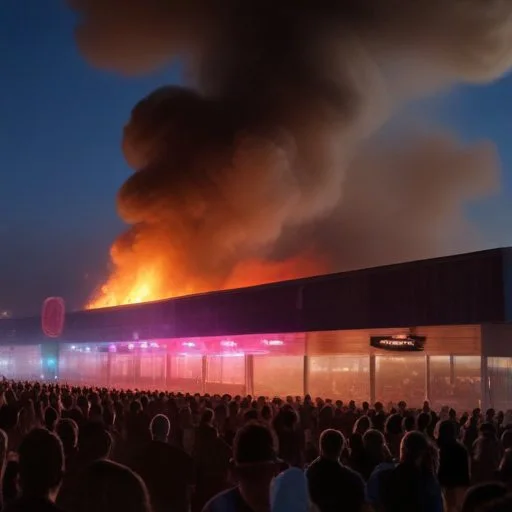
As fans packed the venue, eager to enjoy the iconic rock band's performance, few could have anticipated the terror that was to unfold. Just minutes into the show, the band's pyrotechnic display, which included sparks and flames, ignited the club's soundproofing material, sending a wall of fire racing through the crowded room. Panic set in as concertgoers scrambled to escape, with many trapped or overcome by the thick smoke.
The devastating blaze left a trail of destruction and heartbreak in its wake. In the hours and days that followed, families and friends waited anxiously for news of their loved ones, only to be met with the crushing reality of loss. The tragedy sparked widespread outrage and grief, with the music industry and beyond coming together to mourn the victims and demand change.
Great White's lead singer, Jack Russell, and guitarist Ty Longley, were among those on stage when the tragedy unfolded. While Russell escaped unharmed, Longley tragically lost his life in the blaze. The club's owners, brothers Jeffrey and Michael Derderian, faced intense scrutiny and legal action in the aftermath, with Jeffrey Derderian ultimately serving a two-year prison sentence for involuntary manslaughter.
The Station Nightclub fire led to a seismic shift in venue safety regulations, with lawmakers and music industry leaders pushing for sweeping reforms to prevent such tragedies in the future. The incident also sparked a renewed focus on fire safety education and awareness, with the National Fire Protection Association (NFPA) launching a comprehensive campaign to promote safety in public assemblies.
The tragedy resonated deeply with the music community, with many bands and artists paying tribute to the victims and advocating for improved venue safety. The incident also sparked a wider conversation about the importance of safety in public spaces, with policymakers and industry leaders working together to create a safer, more responsible environment for all.
For those who survived the tragedy, the memories of that fateful night remain etched in their minds forever. "It was like nothing I'd ever experienced before," said one survivor. "The flames were everywhere, and the smoke was so thick you couldn't see your hand in front of your face. It was pure chaos."
The Station Nightclub fire served as a watershed moment for the music industry, leading to a renewed commitment to safety and responsibility. Today, venues and promoters around the world prioritize safety above all else, ensuring that fans can enjoy live music in a secure and protected environment.
As we reflect on the Station Nightclub fire, we remember the lives lost and the families forever changed. We also acknowledge the critical lessons learned from this tragedy, and the important work being done to ensure that such a devastating event never happens again. The music industry will always remember the victims of the Station Nightclub fire, and will continue to push for a safer, more responsible future for all.
The Station Nightclub fire had a profound impact on the music industry, leading to a shift in the way concerts and live events are organized and executed. The tragedy sparked a renewed focus on safety and responsibility, with many artists and venues prioritizing fan safety above all else.
In the aftermath of the tragedy, many musicians and bands took to social media to express their condolences and outrage, with some even cancelling their own tours and concerts to show solidarity with the victims and their families.
The incident also led to a wave of charity concerts and fundraising efforts, with many artists and bands coming together to raise money for the victims and their families.
The music industry's response to the tragedy was a testament to its power and resilience, and a reminder that even in the darkest of times, music can bring people together and inspire positive change.
The Station Nightclub fire was a major wake-up call for lawmakers and policymakers, who were forced to re-examine the safety regulations in place for public assemblies.
In the aftermath of the tragedy, there was a renewed focus on strengthening safety protocols and regulations, with many states and cities revising their laws and codes to prevent similar tragedies from occurring in the future.
At the federal level, lawmakers introduced legislation aimed at improving fire safety and emergency response procedures, and the incident served as a catalyst for a broader conversation about public safety and responsibility.
The tragedy highlighted the need for greater accountability and oversight in the music industry, and led to a renewed commitment to safety and responsibility among lawmakers and policymakers.Historians have argued that the Station Nightclub fire was a turning point in the history of the music industry, marking a shift away from the lax safety standards of the past and towards a more responsible and safety-conscious approach.
The tragedy brought attention to the long history of nightclub fires and the devastating consequences of inadequate safety measures, and highlighted the need for a more comprehensive and proactive approach to safety and risk management.
The incident has also been seen as a symbol of the darker side of the music industry, revealing the hidden dangers and risks that often accompany live performances and public events.
Historically, the Station Nightclub fire serves as a cautionary tale about the importance of prioritizing safety and responsibility in the pursuit of entertainment and profit.
Jack Russell, the lead singer of Great White, was one of the key figures involved in the Station Nightclub fire. Despite escaping the blaze unharmed, Russell was left to grapple with the guilt and trauma of the tragedy, which claimed the life of his guitarist Ty Longley.
In the years that followed, Russell became an advocate for fire safety and responsible behavior, using his platform to raise awareness and promote change in the music industry.
Russell's story serves as a powerful reminder of the human cost of the tragedy, and the long-term impact it had on those involved.
Russell's advocacy and commitment to safety have made him a leader in the music industry's efforts to prevent similar tragedies from occurring in the future.The Station Nightclub fire led to a re-examination of the technology and materials used in live performances, with many experts pointing to the use of pyrotechnics as a key factor in the tragedy.
In response to the incident, many venues and promoters began to phase out the use of pyrotechnics and other hazardous materials in live shows, opting instead for safer and more high-tech alternatives.
The incident also accelerated the development of new safety technologies, such as advanced smoke detection systems and emergency response protocols.
The tragedy served as a catalyst for the music industry's embrace of new technologies and innovations, and has led to a safer and more responsible approach to live performances.