


The Prestige oil tanker splitting in half and sinking off the coast of Galicia on November 19, 2002, released a staggering 76,000 cubic meters of oil into the Atlantic, causing the largest environmental disaster in Spanish and Portuguese history. This catastrophic event would leave an indelible mark on the region's pristine shores, decimating marine life and local fisheries.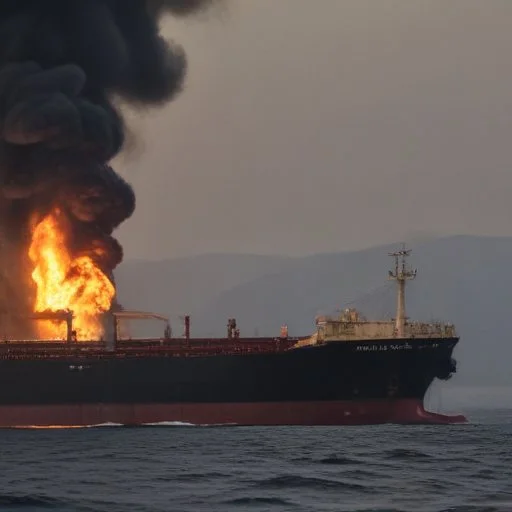
The Prestige oil spill was a wake-up call for the world, highlighting the devastating consequences of maritime accidents and the importance of safety regulations. The spill not only polluted the ocean but also had a profound impact on the local economy, with many fishermen and business owners struggling to recover from the disaster.
The Prestige tanker was carrying 77,000 tons of heavy fuel oil from Latvia to Gibraltar when it encountered strong winds and high waves off the coast of Galicia. The vessel's hull breached, and despite efforts to salvage the ship, it eventually broke apart and sank.
The Prestige oil spill had a profound impact on the local community, with many families dependent on fishing and tourism affected by the disaster. The clean-up efforts were grueling, with thousands of volunteers and workers laboring to contain the spill and restore the affected areas.
The Prestige oil spill raised concerns about the safety of maritime transportation and the accountability of shipping companies. The incident sparked a heated debate about the need for stricter regulations and more effective emergency response systems.
The Spanish and Portuguese governments faced criticism for their response to the disaster, with some accusing them of being slow to react and inadequate in their efforts to contain the spill.
The Prestige oil spill had a devastating impact on the marine ecosystem, with thousands of birds, fish, and other species affected by the oil slick. The spill also contaminated several beaches and coastal areas, necessitating a massive clean-up effort.
The Prestige oil spill is often compared to other major environmental disasters, such as the Exxon Valdez spill in 1989 and the Deepwater Horizon spill in 2010. While each incident has its unique characteristics, they all highlight the importance of safety regulations and the need for preparedness in the event of a disaster.
The Prestige oil spill served as a wake-up call for the shipping industry, governments, and environmental organizations. It underscored the importance of safety regulations, emergency preparedness, and effective response systems in mitigating the impact of maritime accidents.
The incident also brought attention to the need for sustainable and environmentally-friendly practices in the shipping industry, with many companies and organizations advocating for cleaner fuels and more efficient transportation methods.
In the aftermath of the Prestige oil spill, local communities came together to support each other and rebuild their lives. The disaster inspired a new generation of environmental activists, researchers, and policymakers to work towards a more sustainable future.
The Prestige oil spill will always be remembered as a devastating environmental disaster, but it also serves as a testament to the resilience of humanity and the importance of learning from our mistakes.
The Prestige oil spill had a profound impact on the marine ecosystem, affecting over 100,000 birds and countless fish and other species. The oil slick contaminated several beaches and coastal areas, necessitating a massive clean-up effort.
Studies have shown that the spill also had a significant impact on the region's biodiversity, with many species experiencing population declines and changes in behavior. Moreover, the spill affected the region's sensitive habitats, such as seagrasses and coral reefs, which are still recovering today.
The spill also highlighted the importance of protecting marine wildlife corridors, which are critical for the migration and breeding of many species. The Spanish and Portuguese governments have since taken steps to establish marine protected areas, which will help to conserve biodiversity and mitigate the effects of future spills.

The Prestige oil spill is often compared to other major environmental disasters, such as the Exxon Valdez spill in 1989 and the Deepwater Horizon spill in 2010.
While each incident has its unique characteristics, they all highlight the importance of safety regulations and the need for preparedness in the event of a disaster. For example, the Exxon Valdez spill led to significant changes in oil tanker design and safety regulations, while the Deepwater Horizon spill resulted in major reforms to offshore drilling regulations.
Similarly, the Prestige oil spill led to changes in maritime safety regulations and increased investment in oil spill response and prevention efforts.
In the days following the Prestige oil spill, the Spanish and Portuguese governments faced intense pressure to respond to the disaster. The Spanish government, in particular, was criticized for its slow response, which allowed the spill to spread further than necessary.
Despite these challenges, the clean-up efforts were eventually successful, with thousands of volunteers and workers laboring to contain the spill and restore the affected areas.
The incident also led to increased cooperation between the two governments, which had previously had a strained relationship. The joint response to the disaster helped to improve relations and paved the way for future cooperation on environmental issues.

Captain Apostolos Mangouras, the master of the Prestige tanker, was heavily criticized for his role in the disaster. He was accused of being reckless and negligent, and was eventually arrested and charged with causing the spill.
However, Mangouras maintained that he was not responsible for the spill, and that the tanker was in poor condition when he took command. He argued that the ship's owners and operators were more responsible for the disaster.
The incident highlighted the often-difficult working conditions faced by tanker captains, who must balance safety concerns with the pressure to meet tight delivery schedules.
The Prestige oil spill led to significant advances in oil spill response technology, with the development of more effective containment booms and oil dispersants.
The incident also highlighted the importance of investing in research and development to improve oil spill response efforts. As a result, many organizations and governments have increased funding for research into new technologies and methods for responding to spills.
The spill also led to the development of more advanced oil spill simulation models, which can help to predict the trajectory of oil spills and improve response efforts.