


In the face of an unprecedented global health crisis, Greek Prime Minister Kyriakos Mitsotakis took a bold and unprecedented step: announcing a nationwide lockdown and the country's first-ever self-imposed curfew. This drastic measure aimed to combat the rapid spread of COVID-19, slowing the virus's transmission by drastically reducing the number of people on the streets.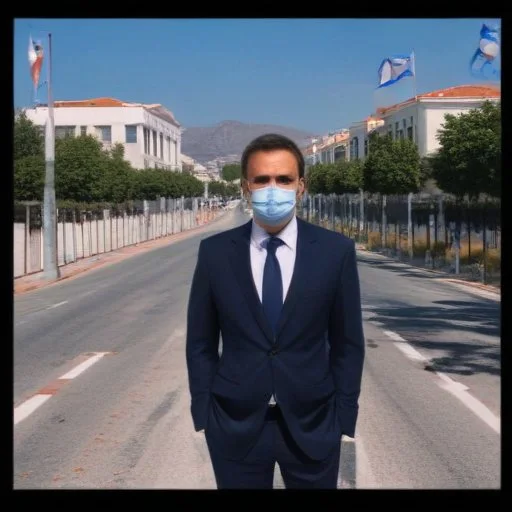
The year was 2020, and the world was grappling with the sudden and merciless onslaught of COVID-19. Greece, like many other nations, found itself overwhelmed by the sheer scale of the pandemic. With cases mounting and the healthcare system on the brink of collapse, Prime Minister Mitsotakis was faced with an impossible decision: sacrifice individual freedoms for the greater good or risk the lives of countless citizens.
On March 23, 2020, Prime Minister Mitsotakis addressed the nation, announcing the introduction of a nationwide lockdown and a self-imposed curfew. The restrictions were far-reaching, limiting citizens' mobility and confining them to their homes unless absolutely necessary. Essential services like healthcare, grocery stores, and pharmacies remained operational, but all non-essential businesses were forced to shut down.
Kyriakos Mitsotakis, the Prime Minister of Greece, was the mastermind behind the lockdown. His decisive action demonstrated Greece's commitment to protecting its citizens and mitigating the pandemic's devastating effects. Dr. Sotiris Tsiodras, the Chief Scientific Advisor, played a crucial role in shaping the country's response to the pandemic, providing critical guidance on the necessary measures to combat the spread of COVID-19.
The lockdown had a profound impact on Greek society, with both positive and negative consequences. On the one hand, the measure helped slow the spread of COVID-19, saving countless lives and preventing the healthcare system from collapsing. On the other hand, the economic implications were devastating, with businesses struggling to stay afloat and widespread job losses.
The lockdown had a profound impact on Greek culture and society. With people confined to their homes, social distancing became the new norm. The traditional Greek way of life, characterized by warm hospitality and social gatherings, was forced to adapt to the new reality. Online platforms became the primary means of communication, and digital connection replaced physical interaction.
The Greek lockdown will be remembered as a pivotal moment in the country's history, a testament to the resilience and determination of the Greek people. While the measure was painful and disruptive, it ultimately saved lives and protected the nation from the worst effects of the pandemic. As the world continues to grapple with the aftermath of COVID-19, the Greek lockdown serves as a powerful reminder of the importance of collective responsibility and sacrifice in the face of adversity.
The lockdown had a profound impact on Greece's cultural identity, particularly in the way people interacted and celebrated traditions. The restriction on social gatherings and events forced Greeks to find new ways to connect and maintain their cultural heritage. Online platforms and social media became essential tools for perpetuating cultural practices, such as virtual Greek dance performances and online cooking classes.
This period also saw a resurgence of traditional Greek music, as people turned to nostalgic tunes to lift their spirits during the confinement. The lockdown also accelerated the digitalization of Greece's rich cultural archives, making them more accessible to the public than ever before.

Kyriakos Mitsotakis: The Leader Behind the Lockdown
Kyriakos Mitsotakis, the Prime Minister of Greece, was the architect of the nationwide lockdown. A member of the Greek political dynasty, Mitsotakis has been involved in politics since his early years. His leadership during the pandemic crisis was marked by decisiveness and a willingness to take tough decisions to protect his country.
Born in 1968, Mitsotakis studied economics and politics at Stanford University and later earned an MBA from Harvard Business School. Before entering politics, he worked in the private sector, gaining experience in the fields of finance and consultancy.
The economic consequences of the lockdown were severe, with Greece's GDP contracting by over 7% in the first quarter of 2020. The tourism industry, a significant contributor to Greece's economy, was particularly hard hit, with hotels and restaurants forced to shut down.
The lockdown also led to a significant increase in unemployment, with many businesses forced to lay off employees to stay afloat. The government responded with a series of economic stimulus packages, aimed at supporting businesses and individuals affected by the crisis.
Despite the challenges, the lockdown also accelerated Greece's digital transformation, with many businesses investing in e-commerce and online services to stay competitive.

The lockdown accelerated the development and adoption of digital technologies in Greece, particularly in the fields of telemedicine and online education. The government launched a series of digital initiatives, aimed at supporting remote learning and remote healthcare services.
The lockdown also led to a surge in the use of digital payment systems, as people turned to online shopping and contactless transactions to minimize physical interactions.
The increased reliance on digital technologies also highlighted the need for improved digital infrastructure, leading to investments in 5G networks and high-speed internet connectivity.
The Great Greek Lockdown of 2020 will be remembered as a pivotal moment in the country's history, a testament to the power of collective action in the face of adversity. Historians will likely debate the effectiveness of the lockdown as a public health measure, as well as its impact on Greece's economy and society.
The lockdown also raises important questions about the role of government in times of crisis, and the delicate balance between individual freedoms and collective responsibility.
As historians, it is our duty to examine the complexities of this event, and to draw lessons that will inform our responses to future crises.