


On May 25, 1986, the United States witnessed an unprecedented display of solidarity and generosity as nearly 7 million people joined hands to form a human chain stretching from sea to shining sea. This remarkable event, known as Hands Across America, was a monumental show of support for African famine relief and a testament to the power of collective action.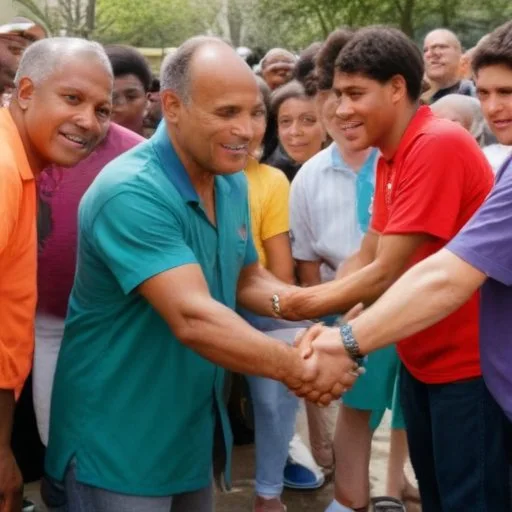
The idea behind Hands Across America was simple yet ambitious: to create a continuous human chain from the Atlantic Ocean to the Pacific Ocean, with participants holding hands along the way. The chain would traverse 4,152 miles of American terrain, passing through cities, towns, and countryside, symbolizing the connection between millions of people from all walks of life.
The brainchild of USA for Africa, a nonprofit founded by singer Harry Belafonte, musician Ken Kragen, and activist Kenny, Hands Across America was the result of a passionate desire to make a difference in the lives of those affected by the devastating famine in Africa. The trio's vision was to mobilize the American public to raise funds and awareness for the crisis, using the power of music and collective action to drive change.
Hands Across America not only raised an astonishing $34.5 million for African famine relief but also became an iconic symbol of solidarity and generosity. The event brought together people from all backgrounds, ages, and professions, fostering a sense of community and social responsibility. The funds raised made a tangible difference in the lives of those affected by the famine, providing much-needed food, medicine, and support.
Hands Across America's influence extends far beyond the event itself. It inspired a generation of social activists, philanthropists, and performers to use their platforms for good. The event also paved the way for future charity initiatives, demonstrating the potential for collective action to drive meaningful change. As a testament to its enduring impact, Hands Across America remains an inspiration to this day, reminding us of the power of unity and compassion in the face of adversity.
"Today, we're not just holding hands, we're holding the future in our hands." - Harry Belafonte
"This is a moment when we can show the world that we care, that we're not just talking about it, we're doing something about it." - Ken Kragen
Hands Across America was more than just a one-day event – it was a powerful symbol of what can be achieved when people come together for a common cause. As we look back on this extraordinary moment in history, we are reminded of the importance of empathy, compassion, and collective action in creating a better world for all.
Hands Across America was not only a display of solidarity but also a cultural phenomenon that resonated with the American public. The event's message of unity and compassion struck a chord with people from diverse backgrounds, ages, and professions. The power of music, which played a significant role in the event, brought people together and created a sense of community.
The event's cultural impact extended beyond the United States, as it drew international attention and sparked a wave of charity initiatives worldwide. The Hands Across America theme song, "We Are the World," became an anthem for social activism, topping the charts and selling over 45 million copies worldwide.
Moreover, Hands Across America inspired a new generation of social activists, philanthropists, and performers to use their platforms for good. The event's cultural significance paved the way for future charity initiatives, demonstrating the potential for collective action to drive meaningful change.
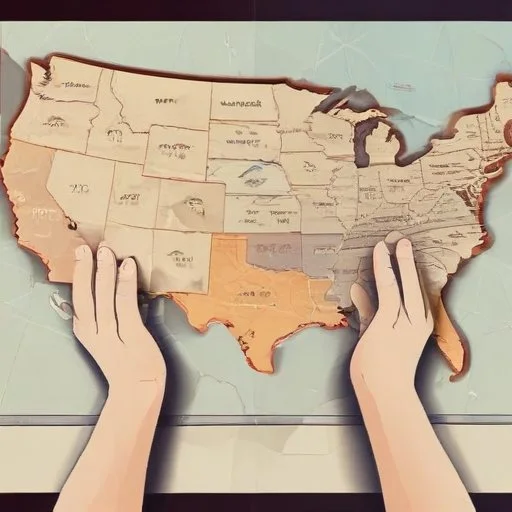
Ken Kragen: The Mastermind Behind Hands Across America
Ken Kragen, a veteran music manager and entrepreneur, was the driving force behind Hands Across America. With a passion for social activism and a knack for bringing people together, Kragen played a crucial role in mobilizing the American public to support African famine relief.
Kragen's vision was to create an event that would transcend musical genres and bring together people from all walks of life. His determination and perseverance paid off, as Hands Across America exceeded all expectations, raising over $34.5 million for African famine relief.
The economic impact of Hands Across America was significant, with the event raising a staggering $34.5 million for African famine relief. The funds generated made a tangible difference in the lives of those affected by the famine, providing much-needed food, medicine, and support.
In addition to the funds raised, the event also generated economic activity across the United States, with participants paying $10 to reserve their spot in the chain. The event's merchandise, including T-shirts, buttons, and other souvenirs, also contributed to the overall revenue.
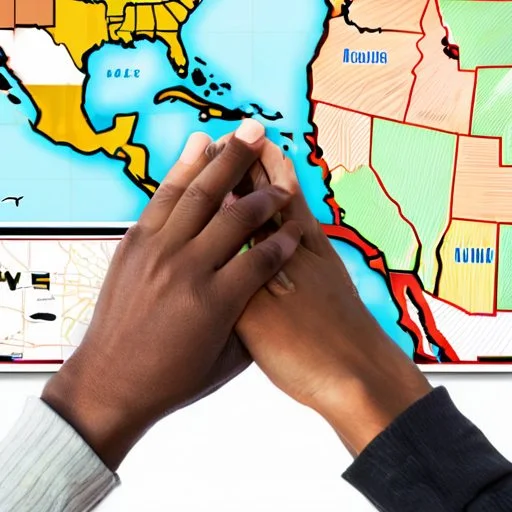
Hands Across America was a testament to the power of collective action in driving social change. The event's success was a result of a bipartisan effort, with politicians from both sides of the aisle coming together to support the cause.
The event's political significance extended beyond American borders, as it drew international attention and sparked a wave of charity initiatives worldwide. Hands Across America demonstrated the potential for collective action to drive meaningful change, inspiring a new generation of social activists and philanthropists.
The Hands Across America archive, housed at the Library of Congress, is a treasure trove of historic documents, photographs, and artifacts. The collection includes event memorabilia, such as T-shirts, buttons, and souvenirs, as well as personal accounts and stories from participants.
One of the most significant artifacts is the original Hands Across America chain route map, which details the 4,152-mile route across the United States. The map is a testament to the logistical complexity of the event and the sheer scale of the human chain.