


On March 20, 1852, Harriet Beecher Stowe's powerful anti-slavery novel, Uncle Tom's Cabin, was published, sending shockwaves throughout the United States and igniting a firestorm of controversy. This influential novel humanized the horrors of slavery, exposing the brutal truths that many Americans had long ignored.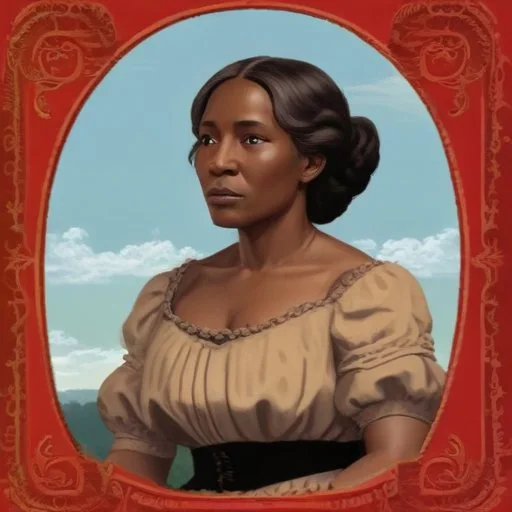
Uncle Tom's Cabin was more than just a book – it was a clarion call to action. Stowe's vivid characters, including the devout and loyal Tom and the desperate mother Eliza, sparked a national conversation about the morality of slavery. The novel's gripping narrative and emotional depth brought the issue to life, making it impossible for Americans to ignore the cruel realities of slavery.
Within a year of its publication, Uncle Tom's Cabin had sold over a million copies, making it the first American novel to achieve this feat. The book's unprecedented success can be attributed to its ability to tap into the country's deepening divide over slavery. As tensions escalated in the years leading up to the Civil War, Uncle Tom's Cabin became a cultural touchstone, shaping public opinion and influencing the national discourse on slavery.
Harriet Beecher Stowe was a pioneering abolitionist, writer, and social reformer. Born into a family of strong abolitionist sentiments, Stowe drew inspiration from her convictions and personal experiences. Her writing was motivated by a desire to expose the atrocities of slavery and to bring about social change. Through Uncle Tom's Cabin, Stowe solidified her place as a leading voice in the abolitionist movement.
Uncle Tom's Cabin has had a profound and lasting impact on American culture and society. The novel has been translated into over 60 languages, ensuring its message of freedom and equality has resonated with people worldwide. The book has also inspired numerous stage adaptations, further cementing its place in the American cultural consciousness.
"The bitter anguish of her tone, the despairing wildness of her look, the remembered torture of her soul, all seemed to say, 'Have mercy on me, O God, for I am aunt to the slave!'" ― Harriet Beecher Stowe, Uncle Tom's Cabin
Uncle Tom's Cabin was part of a literary movement that sought to humanize the experiences of enslaved people. Alongside other influential abolitionist works, such as Narrative of the Life of Frederick Douglass, Stowe's novel helped shift the national narrative on slavery, making it increasingly difficult for Americans to justify the institution.
Harriet Beecher Stowe drew inspiration from her own experiences as a teacher at the Hartford Female Seminary, where she encountered many escaped slaves. The stories of these individuals, as well as her own family's abolitionist roots, deeply influenced the writing of Uncle Tom's Cabin.
Uncle Tom's Cabin played a significant role in shaping public opinion on slavery, paving the way for the eventual abolition of the institution. The novel's influence can be seen in the rise of abolitionist sentiment, the strengthening of the Underground Railroad, and the eventual outbreak of the Civil War.
Uncle Tom's Cabin has been recognized as a literary masterpiece, earning a permanent place in the American literary canon. The novel has been inducted into the University of Virginia's Common Reading Program and has been featured in numerous lists of great American novels.
Uncle Tom's Cabin has been a staple of American literature curricula for generations, providing a critical lens through which to examine the nation's complex history. The novel has inspired countless academic studies, sparking important discussions on race, identity, and social justice.
Uncle Tom's Cabin is more than just a novel – it's a clarion call to action. Stowe's powerful storytelling continues to inspire generations to fight for freedom, equality, and social justice. The novel's enduring legacy serves as a testament to the power of literature to shape our understanding of the world and our role in making it a better place.
As we reflect on the legacy of Uncle Tom's Cabin, we are reminded of the power of literature to shape our understanding of the world. As we move forward, it is imperative that we continue to draw inspiration from Stowe's pioneering work, using our collective voices to champion social justice and equality.
The impact of Uncle Tom's Cabin on American culture was evident in the emergence of "Tom Shows," theatrical productions that adapted the novel for the stage. These shows became a popular form of entertainment, touring the country and spreading the novel's anti-slavery message to a wider audience.
The novel's influence can also be seen in the growth of abolitionist art, as artists began to create works that reflected the novel's themes and characters. One notable example is the work of sculptor John Rogers, who created a series of figurines based on characters from the novel.
The Cultural Significance of Uncle Tom's CabinIn addition to its impact on art and entertainment, Uncle Tom's Cabin played a significant role in shaping American cultural identity. The novel's exploration of slavery and racism forced Americans to confront the harsh realities of their society, sparking important discussions about morality, justice, and equality.

Eliza Harris, the desperate mother who flees slavery to protect her child, is one of the novel's most iconic characters. Her bravery and determination serve as a powerful symbol of maternal love and the human desire for freedom.
Tom, the novel's titular character, is a complex and multifaceted figure. His devotion to his faith and his loyalty to his owners are tempered by his deep empathy for those around him, making him a relatable and human figure.
The Characters of Uncle Tom's CabinThe characters of Uncle Tom's Cabin are notable for their nuance and complexity, challenging the stereotypes and caricatures that had pervaded earlier depictions of African Americans in literature.
The publication of Uncle Tom's Cabin coincided with a period of intense political upheaval in the United States. The novel's exploration of slavery and its consequences resonated with the growing abolitionist movement, adding fuel to the debates that would eventually lead to the Civil War.
The novel's impact on the political landscape was significant, as it forced politicians and citizens alike to confront the harsh realities of slavery and its consequences.
The Political Impact of Uncle Tom's CabinIn the years following the novel's publication, the abolitionist movement gained momentum, with many politicians and citizens calling for the immediate emancipation of all slaves.

In the years leading up to the publication of Uncle Tom's Cabin, the United States was a nation divided. The debate over slavery had grown increasingly heated, with many Northerners calling for its abolition and many Southerners defending it as a necessary institution.
The Fugitive Slave Act of 1850, which allowed slave owners to pursue escaped slaves into free states, had further inflamed tensions, leading many to question the morality and legality of slavery.
The Historical Context of Uncle Tom's CabinAgainst this backdrop of political and social upheaval, Uncle Tom's Cabin was a timely and powerful intervention, humanizing the experiences of enslaved people and highlighting the brutal realities of slavery.
Uncle Tom's Cabin was part of a broader literary movement that sought to expose the horrors of slavery. Alongside works like Narrative of the Life of Frederick Douglass, Stowe's novel added to the growing chorus of voices calling for abolition.
The novel's influence can be seen in the work of later authors, such as Mark Twain, who drew on Stowe's exploration of racial issues in his own writing.
Uncle Tom's Cabin in ContextIn the context of American literary history, Uncle Tom's Cabin stands out as a landmark work, helping to pave the way for later explorations of race and identity.