


On April 26, 1986, the Chernobyl nuclear disaster shook the world, releasing massive amounts of radioactive material into the atmosphere. The catastrophic event remained a secret until high levels of radiation were detected at Forsmark Nuclear Power Plant in Sweden, forcing Soviet authorities to publicly admit the accident.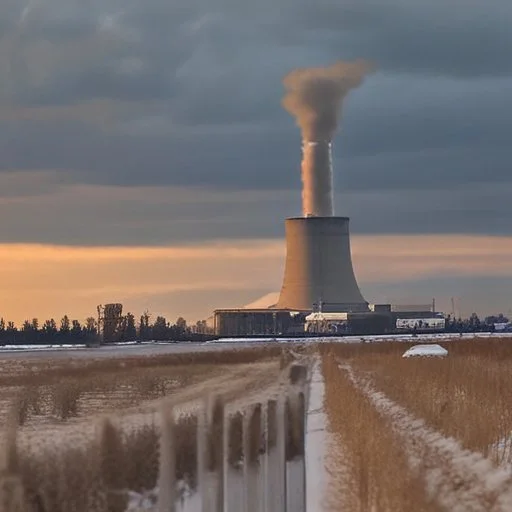
In the 1970s, the Soviet Union began constructing the Chernobyl Nuclear Power Plant, located in Ukraine. The plant was designed to provide energy to the Ukrainian grid, with four reactors planned. However, safety concerns were raised during construction, and the project was plagued by delays and cost overruns.
On the night of April 25, 1986, a safety test was conducted on Reactor 4, which ultimately led to the disaster. The test aimed to determine how long the turbines would keep spinning and generating electricity in the event of a loss of power to the main cooling pumps. However, the test was poorly designed, and a power surge caused a steam explosion, which ruptured the reactor vessel.
On April 28, 1986, Swedish monitoring systems detected unusually high levels of radiation at the Forsmark Nuclear Power Plant, over 1,200 km away from Chernobyl. This sparked concern and curiosity, as the Swedish authorities were unaware of any nuclear accident. As the radiation levels continued to rise, the Soviets were forced to admit to the disaster, finally acknowledging the catastrophic event.
The Chernobyl disaster sparked widespread criticism of the Soviet government, accusing them of a cover-up and gross negligence. The incident also raised concerns about the safety of nuclear power and the potential risks associated with it.
Ludmilla Ignatenko, the wife of a firefighter who died while fighting the blaze, recounted the horrors of that fateful night: "I remember the flames, the smoke, the helicopters flying overhead... It was like the end of the world."
The Chernobyl disaster served as a wake-up call for the nuclear industry, leading to significant improvements in safety measures and regulations. It also raised public awareness of the risks associated with nuclear power, sparking a global debate about the role of nuclear energy in the future.
In the aftermath of the disaster, the people of Ukraine showed remarkable resilience and determination. The incident also inspired a new generation of scientists, engineers, and policymakers to work towards making nuclear energy safer and more sustainable.
The Chernobyl disaster will forever be remembered as one of the darkest moments in human history. However, it also serves as a powerful reminder of the importance of safety, accountability, and transparency in the pursuit of progress.
The Chernobyl disaster was not an isolated incident. In the years leading up to the catastrophe, there were several close calls and near-misses at other nuclear power plants in the Soviet Union. One notable example is the 1983 incident at the Ignalina Nuclear Power Plant in Lithuania, where a faulty valve caused a partial meltdown of the reactor core. Although the incident was minor compared to Chernobyl, it raised concerns about the safety culture within the Soviet nuclear industry.
In another instance, a safety inspection at the Kursk Nuclear Power Plant in 1985 revealed a series of critical design flaws and operating errors. The inspection report warned of a potential catastrophe, but its recommendations were largely ignored by plant officials. These precursor events paint a disturbing picture of a nuclear industry that was ripe for disaster, and the Chernobyl accident was the inevitable consequence.

Ludmilla Ignatenko's personal account of the Chernobyl disaster is a testament to the human cost of the catastrophe. Her husband, Vasily, was one of the first firefighters to respond to the emergency, and he paid the ultimate price for his bravery. Ludmilla's story serves as a poignant reminder of the thousands of individuals who were directly affected by the disaster, and her courage in sharing her experiences has inspired a new generation of activists and advocates for nuclear safety.
Ludmilla's story also highlights the role of women in the aftermath of the disaster. As wives, mothers, and caregivers, women played a crucial role in supporting their families and communities during the crisis. Their stories, often overlooked in the official narrative, provide a rich tapestry of human experience and resilience in the face of unimaginable tragedy.
The Chernobyl disaster is often compared to the Fukushima Daiichi nuclear disaster, which occurred in 2011. While both accidents shared similarities, there were significant differences between the two events. Chernobyl was a catastrophic power surge and steam explosion, whereas Fukushima was a series of equipment failures and natural disasters. Despite these differences, both incidents highlighted the importance of safety culture, risk assessment, and emergency preparedness in the nuclear industry.
A more surprising comparison can be drawn between Chernobyl and the 1979 Three Mile Island accident in the United States. Although the latter was much less severe, both incidents shared a common thread – human error. In both cases, a combination of design flaws, inadequate training, and procedural failures led to the accidents. This underscores the importance of human factors in nuclear safety and the need for a robust safety culture that prioritizes transparency, accountability, and continuous learning.
The environmental impact of the Chernobyl disaster was devastating and far-reaching. The explosion released massive quantities of radioactive material into the atmosphere, contaminating large areas of Ukraine, Belarus, and Russia. The nearby Pripyat River, which supplied water to the power plant, was heavily contaminated, and radioactive fallout was detected as far away as Scandinavia and the British Isles.
The disaster also had a profound impact on local wildlife. The "exclusion zone" around the power plant became a de facto nature reserve, as humans were evacuated and radioactive contamination prevented human activity. Studies have shown that radioactive contamination has had a dramatic impact on local biodiversity, with mutated species and changes to ecosystems. The Chernobyl disaster serves as a stark reminder of the long-term consequences of nuclear accidents on the environment.
The Chernobyl disaster was a geopolitical game-changer, as it highlighted the vulnerability of the Soviet Union's nuclear program and exposed the limitations of its crisis management capabilities. The disaster led to a significant shift in the global nuclear landscape, as Western powers reappraised the risks and benefits of nuclear energy.
The international community responded with widespread condemnation and offers of assistance, but the Soviet Union's initial silence and secrecy sparked concerns about its commitment to transparency and cooperation. The disaster ultimately contributed to a thaw in East-West relations, as the Soviet Union began to engage more openly with the international community on nuclear safety and security issues.