


Hiram Rhodes Revels, a former slave, minister, and Civil War veteran, etched his name in the annals of American history on February 25, 1869, as he became the first African American to take a seat in the United States Senate. This momentous occasion marked a significant turning point in the struggle for racial equality, paving the way for future generations of African American lawmakers.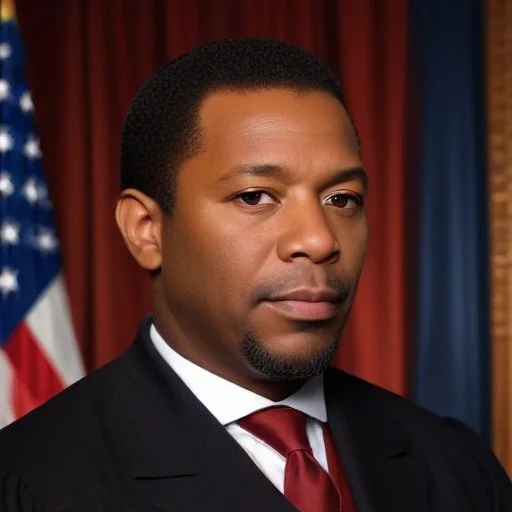
Hiram Revels was born in 1827 in Fayetteville, North Carolina, to African American parents. Despite being born into slavery, Revels went on to lead an extraordinary life, escaping to freedom in Indiana, where he became a minister and an outspoken advocate for abolition. During the Civil War, he served as a chaplain in the Union Army, ministering to Black soldiers and fighting for their rights. After the war, Revels settled in Mississippi, where he became a prominent figure in the state's Republican Party.
On February 25, 1869, Revels was sworn into the United States Senate, representing the state of Mississippi. This milestone was met with both excitement and hostility. While many hailed Revels' election as a triumph for racial equality, others saw it as an affront to white supremacist ideology. Revels' presence in the Senate was a powerful symbol of the newly minted 14th Amendment, which granted citizenship to former slaves and guaranteed their right to equal protection under the law.
During his brief but impactful tenure in the Senate, Revels championed civil rights, education, and economic empowerment for African Americans. He argued passionately for the rights of his constituents, advocating for greater access to land ownership and voting rights. Revels' eloquence and conviction earned him the respect of his colleagues, including prominent abolitionists like Charles Sumner and Thaddeus Stevens.
Hiram Revels' historic election and service in the Senate paved the way for future generations of African American lawmakers, including Blanche K. Bruce, who took his seat in 1875. Revels' legacy extends beyond the halls of Congress, inspiring countless individuals to fight for racial equality and social justice. Today, his name is etched in the pantheon of American heroes, a testament to the power of courage, perseverance, and dedication to the cause of human rights.
As we reflect on the life and legacy of Hiram Rhodes Revels, we are reminded of the power of individual courage and conviction to shape the course of history. His remarkable journey from slavery to the Senate serves as a beacon of hope, illuminating the path toward a more just and equitable society.
Hiram Rhodes Revels' remarkable life was marked by a series of transformations that defied the conventions of his time. Born into slavery, he escaped to freedom, became a minister, and later, a Civil War veteran and senator. This chameleon-like ability to adapt and evolve was rooted in his strong sense of conviction and unwavering commitment to the causes he believed in.
Revels' ministerial background instilled in him a strong sense of empathy and compassion, which he carried with him throughout his life. His experiences as a chaplain in the Union Army, where he ministered to Black soldiers, forged a deep connection with his community and fueled his passion for civil rights.

The political context in which Revels took his Senate seat was marked by intense factionalism and racial tension. The Reconstruction Era, which spanned from 1865 to 1877, was a period of great upheaval, as the nation struggled to redefine its identity and rebuild its institutions.
The Radical Republicans, a faction of the Republican Party to which Revels belonged, advocated for greater rights and protections for African Americans. Revels' election was a testament to the growing influence of this faction and the increasingly vocal demands for racial equality.
Hiram Rhodes Revels' swearing-in ceremony on February 25, 1869, sent shockwaves throughout the nation, sparking both jubilation and outrage. For many African Americans, Revels' election was a beacon of hope, a symbol of the possibilities that lay ahead in a post-Civil War America.
In the years that followed, Revels' presence in the Senate helped to galvanize a new generation of African American leaders, who drew inspiration from his courage and perseverance. His legacy extended far beyond the halls of Congress, influencing the cultural and social fabric of the nation.

The Reconstruction Era was marked by a complex interplay of local, national, and international forces that shaped the contours of American politics. The ratification of the 14th Amendment in 1868, which granted citizenship to former slaves, created a new set of circumstances that Revels' election helped to crystallize.
In the Mississippi state legislature, where Revels served before his Senate election, he was part of a broader struggle for political power and influence. His election was a significant milestone in this struggle, as it helped to shift the balance of power in favor of African American voters.
Historians have long debated the significance of Hiram Rhodes Revels' election to the United States Senate. Some have viewed it as a fleeting moment of triumph, soon to be reversed by the repressive regimes of Jim Crow. Others have seen it as a testament to the power of individual agency and determination.
More recent scholarship has sought to contextualize Revels' election within the broader struggle for racial equality, highlighting the ways in which it reflected the complex interplay of political, social, and economic forces that shaped the Reconstruction Era.