


The Hoxne Hoard, one of the most significant archaeological discoveries in British history, is renowned for being the largest cache of Roman silver and gold coins uncovered in the UK. This remarkable treasure trove, unearthed by metal detectorist Eric Lawes in 1992, has provided an unprecedented glimpse into the lives of ancient Britons during the Roman occupation.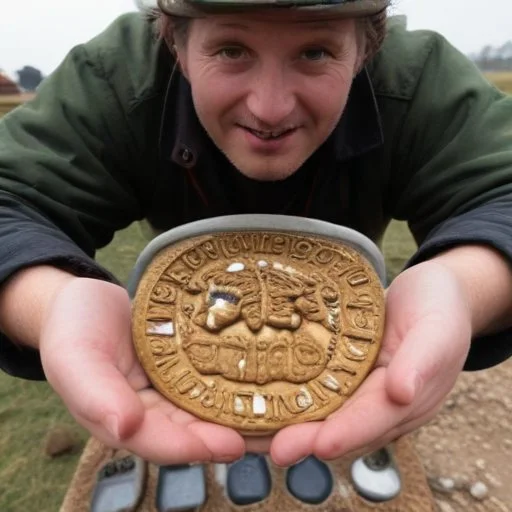
The Hoxne Hoard comprises an astonishing 15,000 gold and silver coins, along with an array of precious jewelry and ancient artifacts. This treasure, buried in a ceramic vessel, was carefully concealed in a field in Hoxne, Suffolk, where it lay undisturbed for centuries. The sheer scale and significance of this discovery have captivated archaeologists, historians, and the general public alike.
Eric Lawes, a metal detectorist with a passion for history, stumbled upon the Hoxne Hoard on a chilly winter morning. Lawes' discovery was not mere luck; it was the culmination of years of dedication and perseverance. His tenacity and expertise have earned him a place in the annals of archaeological history.
The Hoxne Hoard offers a unique window into the daily lives of ancient Britons during the Roman occupation (43-410 CE). The treasure provides insight into the economic, cultural, and social dynamics of the time. The coins, jewels, and artifacts reveal a complex and vibrant society, where Romans and Britons coexisted and traded goods.
The Hoxne Hoard is not merely a treasure trove of valuable objects; it is a historical artifact of immense significance. The discovery has:
The Hoxne Hoard has become an iconic symbol of Britain's rich cultural heritage, inviting us to delve into the mysteries of the past and explore the intricate tapestry of human history.
The Hoxne Hoard is now housed at the British Museum, where it remains one of the most popular and awe-inspiring exhibits. The treasure has undergone painstaking conservation and restoration, ensuring its preservation for generations to come.
The Hoxne Hoard has inspired a new generation of archaeologists, historians, and metal detectorists. Its discovery has sparked a renewed interest in Britain's rich cultural heritage, encouraging further exploration and excavation of the nation's hidden treasures.
In conclusion, the Hoxne Hoard is a testament to the power of archaeological discovery, revealing the secrets of ancient Britain and captivating our imagination with its sheer scale and significance. As we continue to unravel the mysteries of the past, the Hoxne Hoard remains an enduring symbol of human curiosity and ingenuity.
The Hoxne Hoard was not an isolated find, but rather part of a larger trend of Roman treasures discovered in Britain. In the years leading up to the hoard's discovery, other notable finds were made, including the Thetford Hoard and the Water Newton Treasure. These discoveries, combined with the Hoxne Hoard, have painted a richer picture of Roman Britain and its cultural landscape.
One of the most significant aspects of the Hoxne Hoard is its connection to the Roman Empire's economic and cultural decline. The coins found in the hoard date back to the 4th and 5th centuries, a time when the Roman Empire was facing numerous challenges, including barbarian invasions and economic instability. The hoard's presence in Britain speaks to the Empire's attempts to maintain control over its Western provinces, even as its power began to wane.
Despite the Roman Empire's decline, the Hoxne Hoard reveals a thriving cultural landscape in Britain. The jewelry and artifacts found in the hoard showcase the skills of local craftsmen and the influence of Roman culture on native Britons. The hoard's discovery has provided a unique window into the lives of ancient Britons, offering insights into their daily lives, values, and cultural practices.

Eric Lawes, the metal detectorist who discovered the Hoxne Hoard, was not a professional archaeologist, but rather a enthusiast with a passion for history. Born in 1945, Lawes developed an interest in metal detecting at an early age, inspired by his father's stories of World War II.
Lawes' discovery of the Hoxne Hoard was the culmination of years of dedication and perseverance. He spent countless hours scouring the countryside, often in harsh weather conditions, in search of treasures hidden beneath the soil. His expertise and knowledge of the land played a crucial role in the hoard's discovery, and his reputation as a respected metal detectorist has been cemented in the annals of archaeological history.
The Hoxne Hoard's discovery has had a profound impact on British cultural heritage, inspiring a renewed interest in the country's ancient past. The hoard's presence in the British Museum has made it one of the most popular exhibits, attracting millions of visitors each year.
The hoard's cultural significance extends beyond the realm of archaeology, influencing art, literature, and popular culture. It has inspired numerous books, documentaries, and films, cementing its place in the nation's collective imagination.
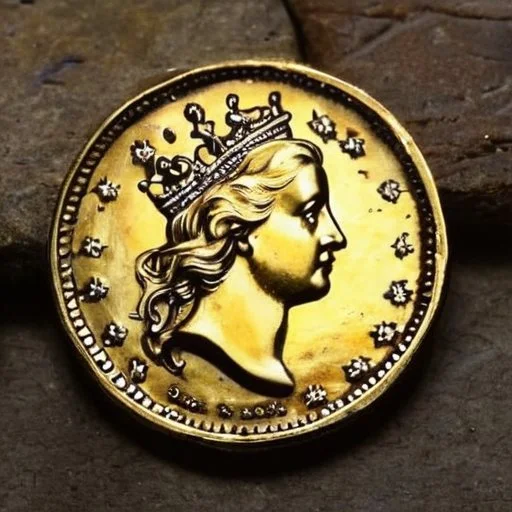
The Hoxne Hoard is more than just a collection of artifacts; it is a treasure trove of historical information. The coins, jewelry, and other objects found in the hoard have provided valuable insights into the lives of ancient Britons, revealing details about their daily lives, cultural practices, and economic systems.
One of the most significant artifacts found in the hoard is a golden body chain, featuring intricate filigree work and delicate designs. This piece is particularly noteworthy, as it showcases the skill of ancient British craftsmen and highlights the cultural exchange between Romans and Britons.
The Hoxne Hoard's discovery has had a significant economic impact on the region of Suffolk, where the hoard was found. The influx of tourists drawn to the area has generated revenue for local businesses, contributing to the region's economic growth.
The hoard's presence in the British Museum has also had a positive impact on the museum's economy, attracting millions of visitors each year. The museum's revenue has increased significantly, allowing for further investment in exhibitions, research, and conservation efforts.