


Hurricane Katrina, one of the deadliest and costliest natural disasters in the history of the United States, ravaged the Gulf Coast from Louisiana to the Florida Panhandle, leaving a trail of destruction and despair in its wake. The storm's fury was merciless, claiming the lives of up to 1,836 people and causing a staggering $125 billion in damage.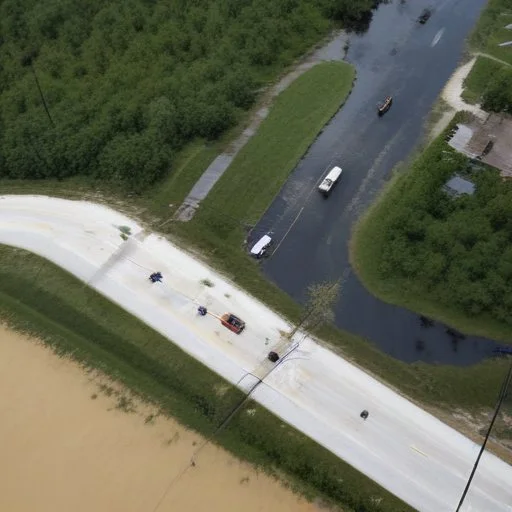
Katrina formed over the warm waters of the Atlantic Ocean on August 23, 2005, as a tropical depression. As it intensified, the storm rapidly grew in strength, fueled by the warm Gulf waters and a lack of wind shear. By August 28, Katrina had reached Category 5 status, boasting winds of up to 175 mph and a central pressure of 902 mbar.
On August 29, 2005, Katrina made landfall in southeastern Louisiana, bringing with it a storm surge that inundated coastal communities and cities. The storm's eyewall passed directly over the city of New Orleans, causing widespread destruction and flooding. The city's levee system, already in disrepair, was breached, leaving thousands stranded in the flooded city.
The days and weeks that followed Katrina's landfall were marked by chaos and desperation. Thousands of people were left stranded on rooftops, in shelters, and on highways, waiting for aid that seemed slow to arrive. The storm's impact was exacerbated by the government's slow response, prompting widespread criticism and outrage.
The human toll of Hurricane Katrina was staggering. At least 1,836 people lost their lives, with many more reported missing. The storm displaced hundreds of thousands of people, leaving them without homes, jobs, or a sense of security. The psychological trauma caused by the storm would linger for years, with many survivors suffering from PTSD and anxiety.
The economic impact of Hurricane Katrina was equally devastating. The storm caused an estimated $125 billion in damage, making it one of the costliest natural disasters in U.S. history. The storm's impact was felt across the country, as oil prices surged and the economy reeled from the shock.
In the years that followed Katrina, the United States embarked on a new era of disaster preparedness. The storm served as a wake-up call, prompting reforms to the nation's emergency response system and a renewed focus on disaster mitigation and preparedness.
Katrina taught us many valuable lessons about the importance of disaster preparedness, the need for effective emergency response systems, and the critical role that individuals and communities play in responding to disasters. As we look back on the storm, we are reminded of the importance of compassion, resilience, and community in the face of adversity.
Hurricane Katrina may have ravaged the Gulf Coast, but it also brought about a new era of hope and renewal. The storm sparked a wave of community-led initiatives and rebuilding efforts, as people came together to rebuild and revitalize their communities. Today, the Gulf Coast is a testament to the power of human resilience and the strength of community.
Hurricane Katrina is often compared to other devastating hurricanes in U.S. history, including the Galveston Hurricane of 1900 and Hurricane Andrew in 1992. While each storm had its unique characteristics, they shared some common traits, such as their catastrophic impact on affected communities. One striking similarity is the inadequate preparedness and response of authorities, which exacerbated the damage and suffering in each case.
However, Katrina stands out for its unprecedented scale of destruction and the lingering impact on the Gulf Coast region. The storm's fallout led to a reevaluation of disaster preparedness and response strategies, with a greater emphasis on community resilience and government accountability.

The economic impact of Hurricane Katrina was felt far beyond the Gulf Coast. The storm disrupted global oil supplies, causing oil prices to surge and triggering a chain reaction of economic shocks. The federal government's response to the disaster led to a massive influx of funding, with over $100 billion allocated for relief and rebuilding efforts.
The storm also had a profound impact on the labor market, with hundreds of thousands of people displaced and many businesses forced to shut down. The economic downturn caused by Katrina was felt across the country, with GDP growth slowing and unemployment rates rising.
Despite the challenges, the rebuilding efforts sparked a construction boom, creating new jobs and opportunities for local economies. However, the long-term economic implications of Katrina remain complex and multifaceted, with ongoing debates about the most effective strategies for disaster recovery and mitigation.
Hurricane Katrina had a profound impact on the cultural landscape of the Gulf Coast, particularly in New Orleans. The storm destroyed or damaged many historic cultural institutions, including museums, theaters, and music venues. The displacement of residents and the destruction of community hubs threatened the very fabric of the city's vibrant cultural identity.
However, in the aftermath of the storm, a cultural renaissance emerged. Artists, musicians, and writers responded to the disaster with creative works that captured the trauma, resilience, and hope of the affected communities. The storm also sparked a new wave of cultural activism, as artists and community leaders worked together to preserve and promote the region's unique cultural heritage.

Hurricane Katrina's destruction was not limited to human communities; the storm also had a devastating impact on the environment. The storm surge flooded and polluted wetlands, damaging habitats and ecosystems. The toxic mix of chemicals, oil, and sewage released during the storm posed a significant threat to wildlife and human health.
The storm also exacerbated the erosion of the Mississippi Delta, a critical ecosystem that provides natural buffers against storms and supports commercial fisheries. The long-term environmental consequences of Katrina are still being felt, with ongoing efforts to restore and protect the region's fragile ecosystems.
Hurricane Katrina has been characterized as a turning point in U.S. history, marking a shift in the national conversation about disaster preparedness, social inequality, and government accountability. However, historians are still grappling with the storm's place in the broader narrative of American history.
Some see Katrina as a symbol of American exceptionalism, highlighting the country's vulnerabilities and challenges. Others view the storm as a manifestation of deeper structural issues, such as racism, poverty, and environmental degradation. As historians continue to reexamine and reinterpret the significance of Katrina, the storm's legacy is likely to evolve and take on new meanings.