


Hurricane Maria, one of the deadliest and most destructive natural disasters in recent history, made landfall in Puerto Rico on September 20, 2017, as a powerful Category 4 hurricane, leaving in its wake a trail of devastation, 2,975 fatalities, and a staggering $90 billion in damages. The storm's catastrophic impact would go on to spark a major humanitarian crisis, expose deep-seated social and economic vulnerabilities, and forever alter the lives of the people of Puerto Rico.
With sustained winds of 155mph and torrential rains, Hurricane Maria ripped through Puerto Rico, crippling the island's infrastructure and leaving millions without power or access to basic necessities. The storm's intensity was so unforgiving that it caused widespread destruction, reducing entire towns to rubble, and submerging families in underwater desperation.
Long before Maria's landfall, Puerto Rico was struggling to recover from a decade-long recession, crippling debt, and a battered infrastructure. The island's electrical grid, in particular, was in dire need of upgrading, with many of its power lines and transmission towers dating back to the 1950s. Maria's fury merely exposed the inherent vulnerabilities of an already fragile system, pushing Puerto Rico to the brink of collapse.
In the days and weeks that followed, the sheer scale of the devastation became apparent. Entire communities were left without access to clean water, food, or medical care, sparking a desperate humanitarian crisis. The Puerto Rican government, hamstrung by a lack of resources and a botched response, struggled to cope with the magnitude of the disaster, further exacerbating the suffering of its people.
The Trump administration's belated and inadequate response to the disaster drew widespread criticism, with many accusing the government of abandoning Puerto Rico in its hour of need. In stark contrast, grassroots organizations, community groups, and individual volunteers rose to the challenge, providing critical support and resources to those affected by the storm.
The human toll of Hurricane Maria was staggering, with the official death toll stands at 2,975. However, many estimates put the actual figure much higher, with some reports suggesting that the true number of fatalities could be closer to 5,000. The storm also displaced tens of thousands of people, forcing them to flee their homes and start anew in unfamiliar surroundings.
As Puerto Rico struggles to rebuild and recover, the legacy of Hurricane Maria serves as a poignant reminder of the island's resilience and determination. From the ashes of destruction, a new Puerto Rico is emerging, one that is more robust, more sustainable, and more defiant in the face of adversity.
Hurricane Maria's devastating impact has sparked a renewed debate about disaster preparedness, climate change, and the perils of complacency. As the world watches Puerto Rico's painful recovery, one truth stands out: that the road to resilience is paved with the lessons of the past, and that the price of complacency is too high to pay.
© 2023 Thomas Blackwood
Puerto Rico's economy was already fragile before Hurricane Maria, with a debt of over $74 billion and a unemployment rate of 10.5%. The storm's impact worsened the situation, causing a 11.6% decline in the island's GDP in 2018. The tourism industry, which accounted for approximately 7% of Puerto Rico's GDP, was severely affected, with hotel occupancy rates plummeting by 30%. Moreover, the storm damaged over 70,000 small businesses, leading to a significant decline in economic activity.
The federal government's response to the disaster was slow, and the lack of resources hindered the recovery efforts. The Federal Emergency Management Agency (FEMA) was criticized for its inadequate response, and the Puerto Rican government's lack of transparency in allocating funds further exacerbated the situation.

Hurricane Maria had a profound impact on Puerto Rican culture, as it highlighted the resilience and strength of its people. The storm brought together communities, fostering a sense of unity and solidarity. The phrase "Puerto Rico se levanta" (Puerto Rico rises) became a rallying cry, symbolizing the island's determination to rebuild and recover.
The storm also sparked a renewed interest in Puerto Rican identity and heritage. The cultural significance of traditional practices, such as agriculture and craftsmanship, was reaffirmed, and there was a surge in cultural events and festivals celebrating the island's rich heritage.
The geopolitical context of Hurricane Maria was complex, with the storm exposing the vulnerabilities of Puerto Rico's relationship with the United States. The island's colonial status and lack of voting representation in Congress hindered its ability to access federal funds and resources, leading to a delayed and inadequate response.
The storm also highlighted the impact of climate change on small island nations, which are often most vulnerable to natural disasters. The international community's response to the disaster was slow, and the lack of global coordination further exacerbated the crisis.
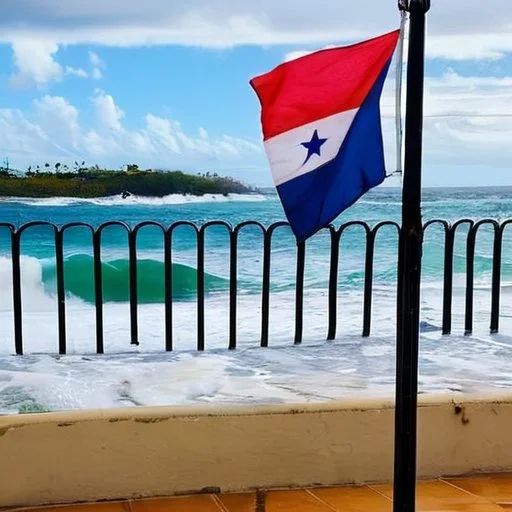
The political fallout from Hurricane Maria was significant, with the Puerto Rican government and the Trump administration facing criticism for their response to the disaster. The island's governor, Ricardo Rosselló, was accused of downplaying the severity of the storm's impact, while President Trump's administration was criticized for its slow response and lack of funding.
The storm also sparked a renewed debate about Puerto Rico's political status, with many calling for independence or statehood. The island's political landscape was forever changed, as the disaster highlighted the need for change and reform.
Hurricane Maria had a devastating impact on Puerto Rico's environment, with the storm destroying over 1.5 million homes and businesses. The island's ecosystem was severely affected, with the storm causing widespread deforestation and soil erosion.
The storm also highlighted the importance of environmental conservation and sustainability. The Puerto Rican government's response to the disaster included a focus on green infrastructure and renewable energy, marking a shift towards a more sustainable future.