


In a significant move to preserve India's linguistic diversity, the Meitei language, also known as Manipuri, was officially recognized as one of the scheduled languages by the Indian Government. This milestone event marked a major triumph for the Meitei people, a dominant ethnic group in the northeastern state of Manipur, and elevated the language's status in the country.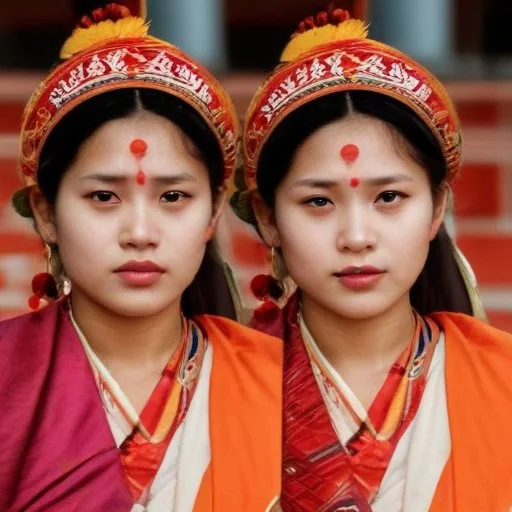
The Meitei language has a rich history that dates back to the 13th century. It is believed to have originated from the Tibeto-Burman language family and has evolved over the centuries, incorporating influences from other languages such as Sanskrit and Bengali. Despite its importance, the Meitei language faced neglected and marginalization, leading to a decline in its usage and cultural significance.
The journey to recognition was not an easy one. For decades, the Meitei people and linguists fought to promote the language and lobby for its official recognition. The turning point came when the Indian Government announced its decision to include Meitei in the scheduled languages list, making it one of the 22 official languages of the country.
The recognition of Meitei as an official language has sparked a cultural revival in Manipur. The language is now being taught in schools, used in official documents, and promoted through cultural events and festivals. This has not only instilled a sense of pride among the Meitei people but also encouraged a new generation to learn and appreciate their cultural heritage.
While the recognition of Meitei is a significant achievement, there are still challenges to be addressed. The language faces competition from more widely spoken languages like Hindi and English, and there is a need for more resources to be invested in language education and cultural preservation. However, this milestone also presents an opportunity for the Meitei people to develop their language and culture, and to share it with the world.
I had the privilege of speaking to Leima, a Meitei language teacher in Imphal, who shared her story of how the recognition of Meitei has impacted her life. "I'm proud to teach my language to the next generation," she said. "It's a dream come true to see our language being used in official documents and government services."
The recognition of Meitei as an official language is expected to have a ripple effect on future events. It is likely to inspire other linguistic and cultural communities in India to fight for their rights and recognition. Moreover, it may lead to increased cultural exchange and collaboration between Manipur and other states, promoting a deeper understanding and appreciation of India's diverse cultural heritage.
The recognition of Meitei as an official language is a testament to India's commitment to preserving its cultural diversity. As the Meitei language and culture continue to flourish, it is a reminder that language is an integral part of our identity, and its preservation is crucial for our collective cultural heritage.
The recognition of Meitei as an official language has had a significant impact on the cultural scene in Manipur. The language is now being used in various cultural events and festivals, promoting a sense of pride and identity among the Meitei people. Furthermore, the inclusion of Meitei in the scheduled languages list has led to an increase in the production of Meitei language literature, music, and art, which has contributed to the preservation and promotion of Meitei culture.
In addition, the recognition of Meitei has also led to an increase in cultural exchange programs between Manipur and other states in India, promoting cross-cultural understanding and appreciation. This has also led to an increase in tourism in Manipur, with tourists interested in learning about the Meitei culture and language.
Leima, the Meitei language teacher in Imphal, is not only a passionate advocate for the language but also a living embodiment of its cultural significance. Born and raised in Manipur, Leima grew up speaking Meitei as her mother tongue and has dedicated her life to promoting and preserving the language.
Through her work, Leima has inspired a new generation of Meitei language learners, providing them with a sense of pride and identity. Her Story is a testament to the impact that individuals can have on the preservation of cultural heritage.
The history of the Meitei language is a long and complex one, with roots dating back to the 13th century. The language has evolved over the centuries, incorporating influences from other languages such as Sanskrit and Bengali. Despite its rich history, the Meitei language faced neglect and marginalization, leading to a decline in its usage and cultural significance.
In the 19th century, the British colonial era saw a significant decline in the use of Meitei, as English became the language of administration and education. However, the Meitei people continued to use their language in oral traditions, passing down stories and folklore from generation to generation.
In the 20th century, efforts were made to revive the language, with the establishment of the Manipur Sahitya Sabha, a literary organization dedicated to promoting Meitei literature and culture.

The recognition of Meitei as an official language is a significant political milestone, marking a shift in the Indian government's attitude towards linguistic diversity. The decision to include Meitei in the scheduled languages list is a testament to the government's commitment to preserving India's cultural heritage.
The move has also been seen as a response to the growing demands for autonomy and self-governance in Manipur. The recognition of Meitei has been hailed as a victory for the people of Manipur, who have long fought for the recognition of their language and culture.
The recognition of Meitei as an official language must be seen within the broader context of India's linguistic diversity. India is home to over 22 official languages, with many more spoken across the country. The recognition of Meitei is a significant step towards promoting linguistic diversity and preserving India's cultural heritage.
In addition, the recognition of Meitei has implications for India's relationship with its neighboring countries, particularly Bangladesh and Myanmar, where similar linguistic and cultural communities exist. The move has the potential to promote greater cultural exchange and cooperation between these countries.