


Satanic Verses: The Diplomatic Fallout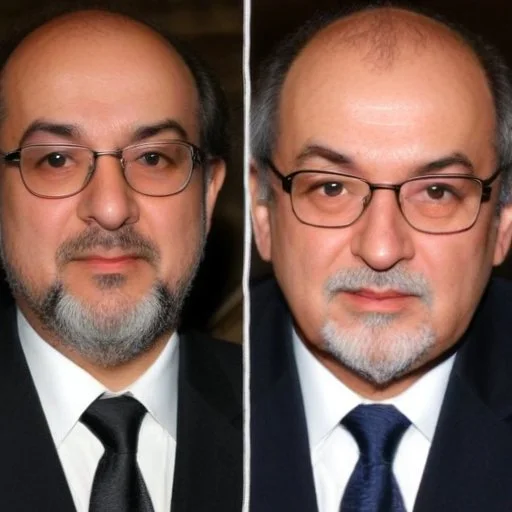
In 1989, the publication of Salman Rushdie's novel, The Satanic Verses, set off a chain reaction of outrage, protests, and diplomatic crisis, culminating in the severing of ties between Iran and the United Kingdom. This event marked a pivotal moment in modern history, where the boundaries of art, politics, and faith collided.
Rushdie's ambitious novel, a complex exploration of Islamic theology and history, sparked widespread indignation among Muslims worldwide. The book's fantastical and irreverent narrative, which included depictions of the Prophet Muhammad and the Quran, was deemed blasphemous by many. The title itself, The Satanic Verses, refers to a group of verses in the Quran believed to have been temporarily accepted as divine revelations, only to be later rejected as satanic interpolations.
In response to the novel's release, Ayatollah Ruhollah Khomeini, the Supreme Leader of Iran, issued a fatwa, or religious decree, in February 1989. The fatwa condemned Rushdie to death, calling upon Muslims worldwide to execute the author. This drastic measure sent shockwaves through the global community, sparking a heated debate on the limits of free speech and artistic expression.
The United Kingdom, steadfast in its defense of free speech and Rushdie's right to publish, refused to yield to Iranian demands for the author's extradition. This stand led to a severe breach in relations between the two nations. On March 7, 1989, Iran broke off diplomatic ties with the UK, severing all official links. The move marked the first time in over a century that Iran had severed relations with a major Western power.
The Satanic Verses controversy had far-reaching implications for the literary world, Muslim communities, and international relations. The episode sparked a global conversation on the limits of free speech, censorship, and the role of art in society. It also highlighted the complexities of Islamic theology and the challenges of cultural understanding in a rapidly globalizing world.
The Rushdie affair left an indelible mark on modern history, influencing the way we think about art, politics, and faith. It serves as a powerful reminder of the importance of tolerance, open communication, and mutual respect in a diverse world. Today, The Satanic Verses remains a powerful symbol of the power of art to challenge, provoke, and inspire.
Salman Rushdie, the Indian-British author of The Satanic Verses, was born on June 19, 1947, in Bombay, India, to a Muslim family of Kashmiri descent. Rushdie's early life was marked by a strong sense of cultural duality, with his family holding on to their Islamic roots while embracing British colonial culture. This cultural dichotomy would later influence Rushdie's writing, which often explores the complexities of identity, culture, and faith.
Rushdie's literary career began in the 1970s, with the publication of his first novel, Grimus. However, it was his fourth novel, Midnight's Children, that brought him widespread recognition and critical acclaim. The novel's success earned Rushdie the Booker Prize in 1981, cementing his reputation as a leading figure in postcolonial literature.
The controversy surrounding The Satanic Verses marked a turning point in Rushdie's life, forcing him into hiding and sparking a decade-long period of exile. Despite the challenges, Rushdie continued to write, producing several novels, essays, and articles that further solidified his position as a prominent public intellectual.

The Satanic Verses controversy unfolded against the backdrop of a rapidly shifting global landscape. The late 1980s saw the decline of the Soviet Union, the end of the Cold War, and the emergence of new global powers. This period of geopolitical flux created an environment in which religious and cultural identities became increasingly salient.
In the Middle East, the Iranian Revolution of 1979 had brought to power a Shia Islamist regime, which saw itself as a champion of Islamic values and a bulwark against Western imperialism. The controversy surrounding The Satanic Verses provided an opportunity for Iran to assert its influence on the global stage, challenging Western notions of free speech and artistic expression.
The diplomatic fallout between Iran and the UK also highlighted the complexities of international relations in the post-Cold War era. The crisis underscored the need for dialogue and understanding between nations with differing cultural and religious values, setting a precedent for future diplomatic engagements.
The publication of The Satanic Verses sparked a global conversation on the limits of free speech and artistic expression. The controversy highlighted the tension between the right to offend and the need to respect religious and cultural sensitivities.
In the literary world, the Rushdie affair marked a turning point in the debate on censorship and self-censorship. The episode raised questions about the role of the author in society, the responsibility that comes with creative freedom, and the consequences of pushing the boundaries of artistic expression.
The controversy also had a profound impact on interfaith dialogue and Muslim-Christian relations. The episode highlighted the need for greater cultural understanding and mutual respect, as well as the importance of engaging with religious and cultural differences in a rapidly globalizing world.
The diplomatic fallout between Iran and the UK following the publication of The Satanic Verses was a significant event in modern diplomatic history. The crisis marked the first time in over a century that Iran had severed relations with a major Western power, underscoring the complexities of international relations in the post-Cold War era.
The UK's decision to stand firm in its defense of Rushdie's right to publish reflected a commitment to democratic values and the principles of free speech. However, the episode also highlighted the challenges of balancing national interests with the need to engage with countries with differing cultural and religious values.
The Rushdie affair set a precedent for future diplomatic engagements, underscoring the importance of cultural sensitivity and dialogue in preventing similar crises. The episode also underscored the need for governments to balance their commitment to democratic values with the need to engage with religious and cultural differences in a rapidly globalizing world.
Historical interpretations of the Rushdie affair have evolved significantly since the event. Initially, the controversy was seen as a clash between Western values and Islamic fundamentalism. However, subsequent scholarship has highlighted the complexities of the episode, revealing the intricate web of political, cultural, and religious factors that contributed to the crisis.
Some historians have framed the Rushdie affair as a turning point in the history of Muslim-Christian relations, highlighting the need for greater cultural understanding and mutual respect. Others have seen the episode as a manifestation of the cultural and religious tensions inherent in a rapidly globalizing world.
Regardless of interpretation, the Rushdie affair has become a benchmark for understanding the complexities of modern international relations, the role of art in society, and the need for dialogue and mutual respect in a diverse world.