


In one of the darkest moments in Iranian aviation history, a C130 military transport aircraft operated by the Iranian Air Force crashed into a 10-story apartment building in a residential area of Tehran, claiming the lives of all 94 people on board and 12 innocent civilians on the ground.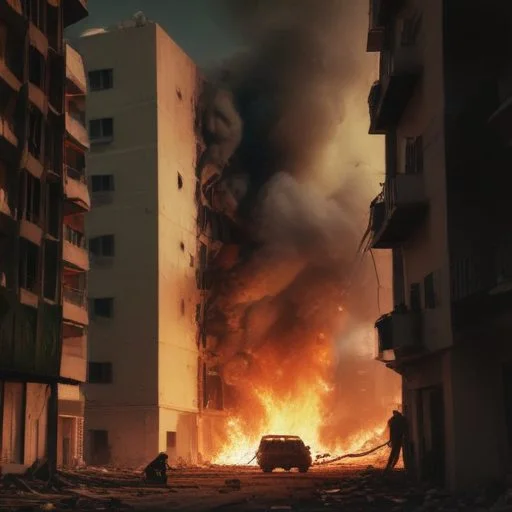
This catastrophic event, which occurred on December 6, 2005, sent shockwaves throughout the country and left the nation in mourning.
The investigation into the crash revealed that the aircraft, registration number 5-8519, was on a routine training mission from Mehrabad Air Base to Shiraz when it experienced technical difficulties.
Witnesses described the aircraft as being on fire before it crashed into the apartment building, located in the Azari neighborhood of Tehran.
The Tehran air crash was one of the deadliest accidents in Iranian aviation history, and it had a profound impact on the country.
The crash led to a major overhaul of the Iranian Air Force's safety protocols and training procedures.
The Tehran air crash was met with widespread grief and outrage, with many Iranians taking to the streets to pay their respects to the victims.
The disaster also brought attention to the need for improved aviation safety and regulations in Iran.
One eyewitness, who lived in the apartment building adjacent to the crash site, described the moment the aircraft crashed as "like a bomb going off."
"I was in my apartment when I heard the explosion. I ran outside, and all I could see was smoke and flames everywhere," the eyewitness said.
The Tehran air crash led to a significant improvement in aviation safety in Iran, with the government investing heavily in modernizing its air fleet and improving safety procedures.
The crash also led to increased cooperation between Iranian and international aviation authorities to improve safety standards.
In the aftermath of the crash, the Iranian people came together to support the families of the victims.
A fundraising campaign was launched to provide financial assistance to the families, and many Iranians volunteered their time to help with the relief efforts.
The Tehran air crash was a devastating tragedy, but it also brought out the best in the Iranian people, showcasing their resilience and compassion in the face of disaster.
The Tehran Tragedy: A Nation's Mourning
The Tehran air crash was met with widespread grief and outrage, with many Iranians taking to the streets to pay their respects to the victims. The disaster was a catalyst for a national outpouring of emotion, with flags flown at half-mast and a three-day period of mourning declared by the government.
The crash also brought attention to the need for improved aviation safety and regulations in Iran. The public's demand for accountability led to increased scrutiny of the Iranian Air Force's safety protocols, ultimately resulting in significant reforms.
In the aftermath of the crash, Iranian artists and musicians responded with a wave of creative works, including songs, poems, and paintings dedicated to the victims. This cultural response helped to process the nation's grief and provide catharsis in the face of tragedy.
In the years leading up to the Tehran air crash, Iran's aviation industry had experienced a series of close calls and near-misses. A combination of outdated aircraft, inadequate maintenance, and lax safety protocols had created an environment in which a major disaster was almost inevitable.
The Iranian Air Force's C130 fleet, in particular, had been plagued by mechanical issues and concerns about airworthiness. Despite these warnings, the fleet continued to operate, ultimately leading to the tragic events of December 6, 2005.
The crash was a wake-up call for the Iranian government, prompting a comprehensive review of the country's aviation safety standards. The subsequent reforms and investments in modernizing the air fleet helped to mitigate the risk of similar disasters in the future.
The Tehran air crash had significant economic implications for Iran, with estimates suggesting that the disaster cost the country millions of dollars in damages and lost productivity.
The crash also had a profound impact on the Iranian Air Force's budget, with significant investments required to modernize the fleet and implement new safety protocols. In the years following the disaster, the Iranian government committed to a comprehensive programme of fleet modernization, including the purchase of new aircraft and the upgrading of existing infrastructure.
The disaster also had a ripple effect on the wider Iranian economy, with a decline in tourism and foreign investment in the aftermath of the crash. However, the government's swift response and commitment to reform helped to restore confidence and stability in the long term.
The Tehran air crash bore striking similarities to other major aviation disasters, including the 1985 Gander crash in Canada and the 1996 Charkhi Dadri mid-air collision in India. In each of these cases, a combination of technical faults, human error, and inadequate safety protocols contributed to the tragic outcome.
A comparative analysis of these disasters highlights the importance of robust safety standards, rigorous maintenance schedules, and effective crisis management procedures. The Tehran air crash served as a stark reminder of the need for constant vigilance and ongoing investment in aviation safety.
In the aftermath of the disaster, Iranian authorities worked closely with international partners to identify best practices and implement new safety protocols. This collaborative approach helped to drive meaningful change and reduce the risk of similar disasters in the future.
The Tehran air crash highlighted the need for improved aviation safety technologies and procedures in Iran. In the years following the disaster, the Iranian government invested heavily in modernizing its air fleet, including the introduction of new surveillance systems and advanced warning technologies.
The crash also led to a renewed focus on pilot training and simulators, with the Iranian Air Force introducing new programmes aimed at improving crew resource management and crisis response.
The disaster served as a catalyst for the development of new safety technologies, including advanced collision avoidance systems and real-time monitoring capabilities. These innovations have since been adopted by air forces around the world, helping to drive down the risk of aviation accidents.