


Ireland's monumental decision to repeal the Eighth Amendment of their constitution has sent shockwaves throughout the world, marking a milestone in the country's journey towards a more progressive and inclusive society. On May 25, 2018, the Irish people voted overwhelmingly in favor of repealing the amendment, which had prohibited abortion in almost all cases since 1983, choosing instead to replace it with the Thirtysixth Amendment of the Constitution of Ireland.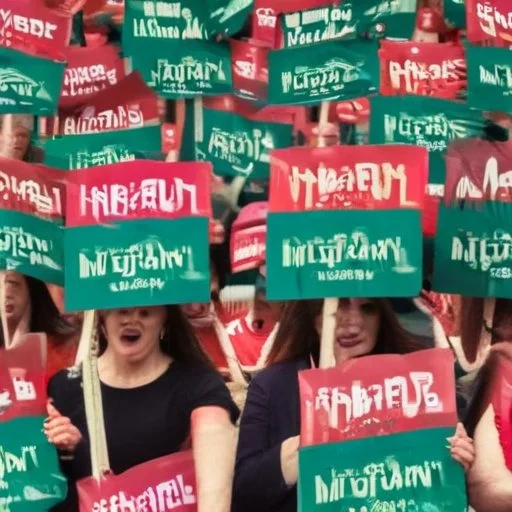
The Eighth Amendment was introduced in 1983, following a campaign led by the Catholic Church and anti-abortion groups. The amendment equated the right to life of the unborn with that of the mother, effectively banning abortion in Ireland except in cases where the mother's life was at risk. This led to countless stories of women being forced to travel abroad for abortions, often in secret and at great personal cost.
The road to repeal was paved by the tireless efforts of advocacy groups, activists, and ordinary citizens who campaigned for reproductive freedom. The death of Savita Halappanavar in 2012, who died after being denied an abortion in a Galway hospital, brought the issue to the forefront of national attention. The subsequent formation of the Abortion Rights Campaign and other groups helped galvanize public support for repeal.
The repeal of the Eighth Amendment marks a significant shift in Ireland's stance on reproductive rights. The new legislation, which came into effect in January 2019, allows for abortion up to 12 weeks of pregnancy, and in cases where the mother's life or health is at risk, or in cases of fatal fetal abnormality.
The implications of this decision are far-reaching, with many hailing it as a victory for women's rights and a testament to the power of grassroots activism. Ireland's decision is also seen as a beacon of hope for other countries with restrictive abortion laws.
"Today, we have made a choice to create a more compassionate, more empathetic Ireland. We have chosen to trust and believe in the women of Ireland." - Taoiseach Leo Varadkar
"This is a momentous day for Ireland. We have taken a huge step forward in terms of women's rights and women's health." - Health Minister Simon Harris
"This is a victory for the people of Ireland, who have shown that they value compassion, empathy, and human rights." - Amnesty International
The repeal of the Eighth Amendment has had a profound impact on Irish culture, marking a significant shift away from the country's traditionally conservative Catholic values. The change in legislation has been hailed as a victory for the country's feminist movement, with many celebrating the newfound autonomy and freedom granted to women.
Music and Art: The repeal has inspired a wave of creative expression, with musicians, artists, and writers responding to the news with works that reflect the emotions and sentiments of the Irish people. From protest songs to street art, the cultural landscape of Ireland is forever changed.
In the aftermath of the repeal, Ireland has seen a surge in feminist-themed art exhibitions, music festivals, and literary events, providing a platform for women to express themselves and share their stories.

The repeal of the Eighth Amendment is expected to have a significant impact on Ireland's economy, with estimates suggesting that the new legislation could save the country millions of euros in the long run. Reduced healthcare costs, as well as the elimination of expenses related to traveling abroad for abortions, are just a few of the financial benefits.
Increased Productivity: With women no longer forced to travel abroad for abortions, Ireland can expect to see an increase in productivity as women are able to return to work and contribute to the economy more quickly.
The repeal is also expected to attract foreign investment, as Ireland is now seen as a more progressive and attractive location for businesses, particularly in the healthcare and technology sectors.
Ailbhe Smyth, a longtime feminist activist and co-director of the Together for Yes campaign, played a crucial role in mobilizing public support for the repeal. Her tireless efforts helped to bring the issue to the forefront of national attention.
Ruth Coppinger, a member of the Irish parliament, was a vocal advocate for the repeal, using her platform to raise awareness and challenge the status quo.
These women, along with many others, risked personal and professional repercussions to stand up for what they believed in, paving the way for a more progressive and inclusive Ireland.

The repeal of the Eighth Amendment has significant political implications, with many viewing it as a testament to the power of grassroots activism. The success of the repeal campaign has inspired a new wave of political engagement, with many young people becoming involved in politics for the first time.
The Role of Government: The Irish government's decision to hold a referendum on the Eighth Amendment marked a significant shift in the country's political landscape, as it acknowledged the importance of listening to the will of the people.
The repeal has also led to increased scrutiny of Ireland's political system, with many calling for further reforms, including the establishment of a more representative and inclusive government.
The repeal of the Eighth Amendment has sent shockwaves throughout the world, inspiring activists and advocates in countries with restrictive abortion laws. From Argentina to Poland, the Irish referendum has provided a beacon of hope for those fighting for reproductive rights.
A Global Perspective: The repeal has highlighted the need for a global approach to reproductive rights, with many recognizing the importance of international solidarity and cooperation in the fight for women's rights.
Ireland's repeal has also led to increased scrutiny of international organizations, such as the United Nations, and their role in promoting and protecting human rights, including reproductive rights.