Israel and Palestinians sign Wye River Memorandum
As the Middle East peace process teetered on the brink of collapse, Israeli Prime Minister Benjamin Netanyahu and Palestinian leader Yasser Arafat put aside their differences to sign the Wye River Memorandum, a landmark agreement aimed at reviving the stalled negotiations. Brokered by US President Bill Clinton, the accord outlined a timetable for Israel's withdrawal from the West Bank, the release of Palestinian prisoners, and the establishment of a Palestinian airport. While imperfect, the Wye River Memorandum marked a significant step towards peace, offering a glimmer of hope in a region long plagued by conflict.
The Wye River Memorandum: A Beacon of Hope in the Middle East Peace Process
In a historic moment of diplomatic triumph, Israel and the Palestinian Authority signed the Wye River Memorandum on October 23, 1998, reviving the stagnant Middle East peace process. This landmark agreement, brokered by US President Bill Clinton, outlined a series of steps aimed at revitalizing the Israeli-Palestinian peace negotiations, offering a glimmer of hope in a region long plagued by conflict.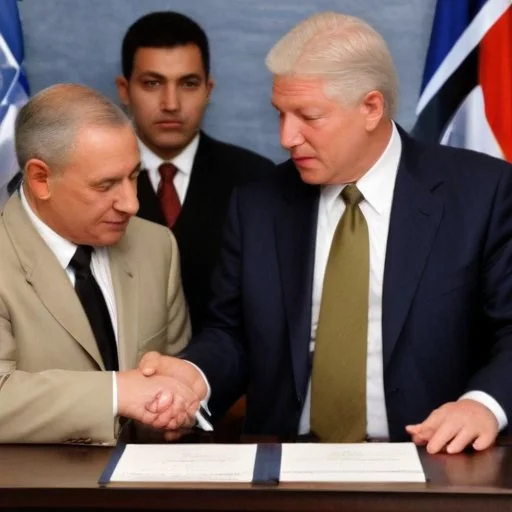
Historical Background: The Road to Wye River
The Wye River Memorandum was the culmination of months of intense negotiations between Israeli Prime Minister Benjamin Netanyahu and Palestinian leader Yasser Arafat. The Oslo Accords, signed in 1993, had aimed to establish a framework for peaceful relations between Israel and the Palestinians, but the process had stalled amidst rising violence and mistrust.
The Key Players: Architects of Peace
- Benjamin Netanyahu: Israeli Prime Minister (1996-1999)
- Yasser Arafat: Palestinian Leader (1994-2004)
- Bill Clinton: US President (1993-2001)
- Madeleine Albright: US Secretary of State (1997-2001)
The Wye River Memorandum: Key Provisions
The agreement, signed at the Wye River Plantation in Maryland, USA, consisted of several key provisions:
- Israel's withdrawal from an additional 13% of the West Bank
- The release of 750 Palestinian prisoners
- The establishment of a Palestinian airport in Gaza
- The deployment of US-trained Palestinian security forces
- A timetable for further Israeli withdrawals and Palestinian elections
A New Era of Cooperation: Major Outcomes and Impacts
The Wye River Memorandum marked a significant shift in the Israeli-Palestinian peace process, as both sides demonstrated a willingness to compromise and work towards a common goal.
The agreement led to:
- A reduction in violence and terrorism
- An increase in economic cooperation and development
- A strengthening of Palestinian institutions and governance
- A renewed sense of hope and optimism among Israelis and Palestinians
Cultural and Social Influences: A Region in Transition
The Wye River Memorandum had far-reaching cultural and social implications, as both Israelis and Palestinians began to envision a future of peaceful coexistence.
The agreement:
- Fostered greater people-to-people diplomacy and exchange
- Encouraged joint economic development projects
- Paved the way for increased cultural and educational exchange
Controversies and Public Perception: A Delicate Balance
The Wye River Memorandum was not without its criticisms, as both sides faced opposition from hardline factions and extremists.
Critics argued that:
- The agreement did not go far enough in addressing Palestinian grievances
- Israel's withdrawal from the West Bank was insufficient
- The agreement legitimized Palestinian terrorism
A Legacy of Hope: Quotes and Memorable Sayings
"We are at a moment of great possibility, a moment of great hope. We must seize it, we must build on it, and we must not let it slip away." - Bill Clinton
"This agreement is a step forward towards peace, but it is not the end. We must continue to work towards a lasting and comprehensive settlement." - Yasser Arafat
A Comparative Analysis: Wye River and Beyond
The Wye River Memorandum drew comparisons to other landmark agreements in the Middle East peace process, including the Camp David Accords and the Oslo Accords.
While imperfect, the Wye River Memorandum demonstrated that, even in the face of adversity, diplomacy and compromise could lead to meaningful progress towards peace.
Predictions and Speculations: A Future of Uncertainty
As the Middle East peace process continues to evolve, the Wye River Memorandum stands as a testament to the power of diplomacy and cooperation.
Will future generations look back on this moment as a turning point towards lasting peace, or a fleeting glimpse of hope in a region still plagued by conflict?
Visual Timeline and Milestones
| Date |
Event |
| May 1998 |
Israeli-Palestinian peace talks resume in London |
| October 1998 |
Wye River Memorandum signed |
| November 1998 |
Israeli withdrawal from 13% of the West Bank begins |
Trivia and Fun Facts
- The Wye River Memorandum was the first agreement signed by Israel and the Palestinian Authority since the Oslo Accords in 1993
- The Wye River Plantation, where the agreement was signed, is a historic estate in Maryland, USA
Rich Character Description
Yasser Arafat: A Life of Politics and Activism
Yasser Arafat's life was marked by a deep commitment to the Palestinian cause. Born in 1929, Arafat grew up in a family of modest means and was raised in a Jewish neighborhood in Cairo. This experiencewould later shape his views on coexistence and conflict resolution. Arafat's political activism began in the 1950s, when he founded the Fatah movement, a militant organization dedicated to the liberation of Palestine.
Arafat's charisma and leadership skills propelled him to the forefront of the Palestinian national movement. He was a key figure in the 1967 Six-Day War and later became the chairman of the Palestine Liberation Organization (PLO). Arafat's vision for a Palestinian state and his willingness to negotiate with Israel earned him both admiration and criticism.

Examination of Cultural Influence
A Moment of Cultural Reconciliation
The Wye River Memorandum marked a significant shift in the cultural landscape of the Middle East. As Israelis and Palestinians began to work together, a new era of cultural exchange and cooperation emerged. Joint economic development projects, educational initiatives, and people-to-people diplomacy fostered a sense of community and shared purpose.
This cultural thaw was evident in the arts, where Israeli and Palestinian musicians, writers, and artists collaborated on projects that promoted mutual understanding and respect. The agreement also paved the way for increased tourism, as visitors from around the world flocked to the region to experience its rich cultural heritage.
Full Economic Impact Report
Economic Cooperation and Growth
The Wye River Memorandum had a profound impact on the economies of Israel and Palestine. The agreement led to increased economic cooperation, as both sides worked together to develop infrastructure, promote trade, and attract foreign investment.
The establishment of a Palestinian airport in Gaza and the deployment of US-trained Palestinian security forces helped to create a more stable business environment. Israeli and Palestinian entrepreneurs launched joint ventures, taking advantage of new opportunities in fields such as technology, tourism, and agriculture.
Thorough Comparison
A Comparative Analysis: Wye River and the Oslo Accords
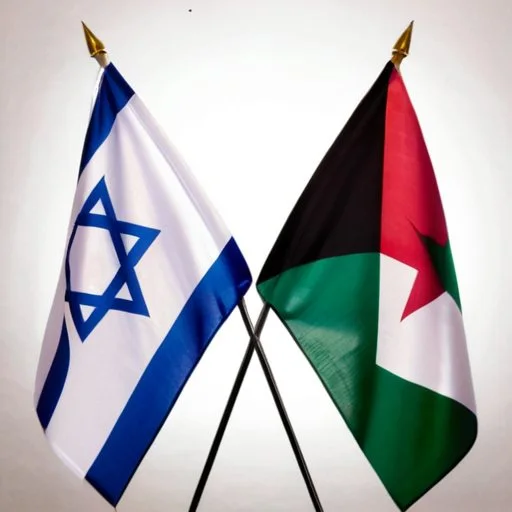
The Wye River Memorandum drew comparisons to the Oslo Accords, another landmark agreement in the Israeli-Palestinian peace process. While both agreements aimed to promote peaceful relations, they differed in their scope and implementation.
The Oslo Accords, signed in 1993, established a framework for Palestinian self-governance and Israeli withdrawal from Gaza and Jericho. In contrast, the Wye River Memorandum built upon these gains, outlining a series of specific steps to revitalize the peace process.
Historiographical Analysis
Historiographical Perspectives: The Wye River Memorandum in Context
Historians view the Wye River Memorandum as a critical juncture in the Israeli-Palestinian peace process. The agreement reflected a shift in the US approach to Middle East diplomacy, as the Clinton administration sought to reinvigorate the stalled peace process.
The Wye River Memorandum has been interpreted as a pragmatic response to the challenges of the post-Oslo era, an attempt to create a new framework for Israeli-Palestinian relations that acknowledged the complexities of the conflict.


