


On March 30, 1976, a spark of defiance ignited in the hearts of Palestinians, kindling a flame of resistance that would burn bright for generations to come. This watershed moment, known as Land Day, marked the first collective response against Israeli policies since the 1948 Arab-Israeli War, as tens of thousands of Palestinians took to the streets to demand an end to land expropriation and advocate for their fundamental rights.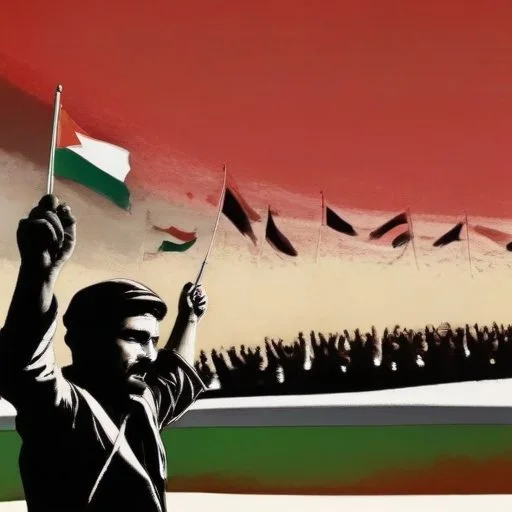
The Israeli government's decision to expropriate 21,000 dunams of Arab-owned land in the Galilee region served as the catalyst for this historic uprising. Years of marginalization, displacement, and systemic oppression had reached a boiling point, and Palestinians across geographic and political divides united in their determination to reclaim their land and their dignity.
Organized by the Palestinian nationalist movement, Land Day brought together people from all walks of life – peasants, workers, intellectuals, and students – in a show of strength and solidarity. For the first time since 1948, Palestinians presented a united front against Israeli policies, defying the fragmentation and division that had long plagued their struggle.
As the sun rose on March 30, 1976, Palestinians from all corners of the Galilee region descended upon the streets, holding aloft Palestinian flags and banners demanding an end to land expropriation. The protests were met with force by the Israeli authorities, resulting in the deaths of six Palestinians and the injury of hundreds more. Despite the brutal crackdown, the spirit of resistance remained unbroken, and Land Day became an annual commemoration of the Palestinian struggle for self-determination.
Land Day marked a turning point in the Israeli-Palestinian conflict, serving as a catalyst for future resistance movements and inspiring a new generation of Palestinian activists. Today, the anniversary of Land Day is celebrated globally, symbolizing the unrelenting quest for Palestinian rights, dignity, and freedom.
Land Day has become an integral part of Palestinian cultural identity, reflecting the resilience and determination of a people fighting for their very existence. In commemoration of the event, Palestinians hold cultural festivals, poetry readings, and art exhibitions, celebrating the rich heritage and diversity of their community.
As the struggle for Palestinian self-determination continues, Land Day remains a beacon of hope, inspiring future generations to carry the torch of resistance and fight for a brighter, more just future.
"We will not be silenced, we will not be defeated. We will continue to rise up, to resist, and to demand our rights as Palestinians." – Tawfiq Zayyad
"Land Day is not just a commemoration of a single event; it is a celebration of our collective struggle, our shared humanity, and our unwavering commitment to freedom and justice." – Raqib Hatem
The roots of Land Day can be traced back to the early 20th century, when Zionist organizations began purchasing land from Arab landowners in the Galilee region. This led to the displacement of thousands of Palestinians, who were forced to relocate to make way for Jewish settlements. The Israeli government's decision to expropriate Arab-owned land in the 1970s was the culmination of decades of systemic oppression and marginalization.
In the years leading up to Land Day, Palestinian activists and intellectuals had been mobilizing against Israeli policies, but their efforts were largely fragmented and disorganized. The spontaneous uprising on March 30, 1976, marked a turning point in the Palestinian resistance movement, as it brought together people from all walks of life in a united front against Israeli occupation.
Tawfiq Zayyad: The Unwavering Mayor
Tawfiq Zayyad, the mayor of Nazareth, was a key figure in the Palestinian nationalist movement and a powerful voice for the rights of Palestinians in Israel. Born in 1929, Zayyad was a poet, writer, and politician who dedicated his life to the Palestinian struggle for self-determination.
Zayyad's involvement in the Land Day protests was instrumental in mobilizing the masses and coordinating the resistance efforts. His passionate speeches and writings inspired a generation of Palestinians to take action against Israeli occupation and to demand their fundamental rights.
Land Day's Cultural Legacy
Land Day has become an integral part of Palestinian cultural identity, reflecting the resilience and determination of a people fighting for their very existence. The event has inspired a wide range of cultural expressions, from poetry and literature to music and art.
In commemoration of Land Day, Palestinians hold cultural festivals, poetry readings, and art exhibitions, celebrating the rich heritage and diversity of their community. These cultural events provide a platform for Palestinians to express their collective identity, to preserve their cultural traditions, and to pass them down to future generations.
The Economic Cost of Land Expropriation
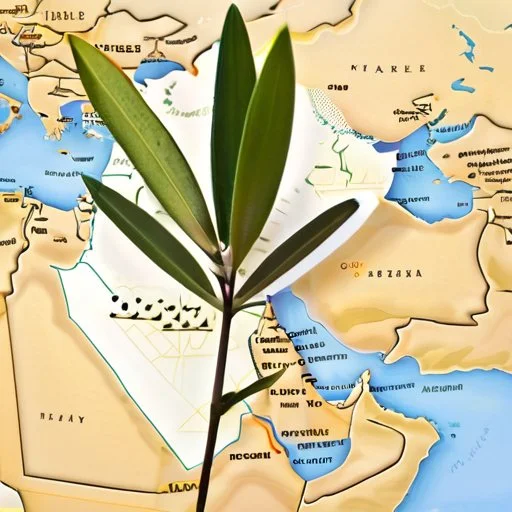
The Israeli government's decision to expropriate Arab-owned land in the Galilee region had far-reaching economic consequences for the Palestinian population. The loss of agricultural land and natural resources led to widespread poverty, unemployment, and displacement.
The economic impact of Land Day was significant, with entire communities facing displacement and marginalization. The event highlighted the need for economic empowerment and self-sufficiency as a key component of the Palestinian struggle for self-determination.
Social Change and Collective Action
Land Day was a watershed moment in the Palestinian struggle for self-determination, marking a shift from individual acts of resistance to collective action and social change.
The event demonstrated the power of collective action, as Palestinians from all walks of life came together to demand their fundamental rights. The social change dynamics of Land Day continue to inspire and motivate Palestinians today, as they work towards a more just and equitable future.