


The US-Japan Mutual Security Treaty, signed on January 19, 1960, is a landmark agreement that cemented the alliance between the United States and Japan, marking a significant shift in their post-war relationship. This treaty is known for solidifying the commitment of both nations to mutual defense, while also recognizing Japan's sovereignty and paving the way for the country's economic rise.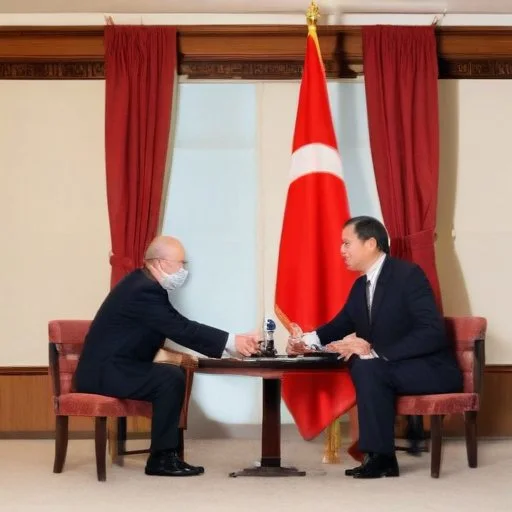
In the aftermath of World War II, the United States occupied Japan, and the two nations' relationship was largely defined by the US-imposed Constitution, which emphasized demilitarization and pacifism. However, as the Cold War intensified, the United States sought to re-establish Japan as a strategic ally in East Asia. The 1950s saw a series of diplomatic efforts to negotiate a new security treaty, replacing the 1951 Security Treaty, which had been widely criticized in Japan for being overly restrictive.
The treaty was the culmination of efforts by key figures, including:
The path to the treaty was marked by several key events:
The treaty had far-reaching consequences, including:
The treaty also had significant cultural and social implications:
Notable quotes from key figures involved in the treaty include:
The US-Japan Mutual Security Treaty has had a lasting impact on the relationship between the two nations, serving as a cornerstone of their alliance for over six decades. Today, the treaty remains a vital component of regional security in East Asia, with both countries continuing to deepen their cooperation in areas such as defense, trade, and technology.
In conclusion, the US-Japan Mutual Security Treaty represents a pivotal moment in the history of the two nations, marking a significant shift towards a more equal and cooperative relationship. As we reflect on the treaty's legacy, we are reminded of the importance of diplomacy, cooperation, and mutual understanding in shaping a more peaceful and prosperous world.
The signing of the US-Japan Mutual Security Treaty had a profound impact on the economies of both nations. Japan, which had been struggling to rebuild its economy after World War II, received significant economic aid and investment from the United States. This led to a rapid growth in Japan's economy, earning it the nickname "Economic Miracle."
In the 1960s, Japan's GDP grew at an average rate of 10% per year, making it one of the fastest-growing economies in the world. The country became a major exporter of goods, including electronics, automobiles, and textiles, and its trade surplus with the United States increased significantly.
The treaty also led to increased economic cooperation between the two nations. The United States and Japan established the Joint United States-Japan Committee on Trade and Economic Affairs, which aimed to promote trade and investment between the two countries.
Today, the United States and Japan are two of the world's largest economies, and their economic relationship remains strong. The US-Japan Mutual Security Treaty laid the foundation for this economic partnership, which has been essential to the prosperity of both nations.
The US-Japan Mutual Security Treaty also had a significant impact on Japanese culture, particularly in the areas of music, film, and food.
American music, such as jazz and rock and roll, became popular in Japan in the 1960s, and many Japanese musicians began to incorporate American styles into their music.
Hollywood movies also became a major cultural influence in Japan, with many American films being dubbed or subtitled in Japanese. This exposure to American culture helped to increase Japan's cultural ties with the West.
Furthermore, American food, such as hamburgers and Coca-Cola, became popular in Japan, leading to the establishment of fast-food chains and American-style restaurants throughout the country.
These cultural influences helped to shape modern Japanese culture and facilitated greater cultural exchange between the United States and Japan.
Nobusuke Kishi: The Japanese Prime Minister Behind the Treaty
Nobusuke Kishi, the Japanese Prime Minister from 1957 to 1960, played a crucial role in negotiating the US-Japan Mutual Security Treaty.
Kishi was a strong advocate for revising the 1951 Security Treaty, which he believed was overly restrictive and undermined Japan's sovereignty.
A skilled diplomat and negotiator, Kishi worked closely with American officials to negotiate the terms of the treaty, which was finally signed in January 1960.
Kishi's leadership and vision were instrumental in shaping the treaty and cementing the alliance between the United States and Japan.
The US-Japan Mutual Security Treaty: A Shift in Power Dynamics
The signing of the US-Japan Mutual Security Treaty marked a significant shift in the power dynamics between the two nations.
For the first time since the end of World War II, Japan was recognized as an equal partner with the United States, rather than an occupied territory.
The treaty also marked a departure from the pacifist constitution imposed on Japan by the United States, allowing Japan to take a more active role in its own defense.
This shift in power dynamics was a major milestone in the evolution of the US-Japan relationship, paving the way for a more equal and cooperative partnership.
The US-Japan Mutual Security Treaty in the Context of the Cold War
The US-Japan Mutual Security Treaty was signed during the height of the Cold War, a period of intense rivalry between the United States and the Soviet Union.
The treaty was seen as a key component of the United States' strategy to contain the spread of communism in East Asia.
By strengthening its alliance with Japan, the United States aimed to create a bulwark against Soviet expansion in the region.
The treaty also helped to cement Japan's position as a key ally of the United States in the Asia-Pacific region, and paved the way for future security cooperation between the two nations.