


The morning of March 20, 1995, will forever be etched in the memories of Tokyo's commuters as the day terror struck the city's bustling subway system. In a coordinated attack, members of the Aum Shinrikyo cult released deadly sarin gas on three subway lines, killing 13 people and injuring over 6,200, leaving a trail of chaos, fear, and uncertainty in its wake.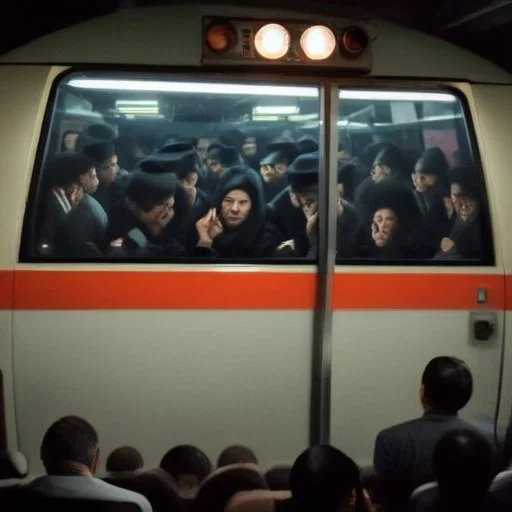
In the 1980s, Japan was experiencing a period of rapid economic growth, but amidst the prosperity, a sense of unease and disillusionment was brewing. It was against this backdrop that Shoko Asahara, a charismatic and enigmatic figure, founded Aum Shinrikyo, a doomsday cult that promised salvation to its followers.
The morning of March 20, 1995, was like any other in Tokyo, with throngs of commuters rushing to get to work. But at 7:45 am, the tranquility was shattered as five Aum members, dressed in ordinary clothes, boarded trains on three different subway lines: the Hibiya, Marunouchi, and Chiyoda lines.
The sarin attack sent shockwaves throughout Japan and the world, leaving a nation in mourning and grappling to understand the motivations behind the heinous act.
The Aum Shinrikyo sarin attack not only claimed innocent lives but also left an indelible mark on Japan's psyche, forcing the nation to confront the darker aspects of its society.
The Tokyo subway sarin attack serves as a poignant reminder of the devastating consequences of blind obedience and the importance of vigilance in the face of extremism.
In the years leading up to the 1995 sarin attack, Aum Shinrikyo's violent tendencies were already evident.
In 1994, the cult released a cloud of sarin gas in the city of Matsumoto, killing seven people and injuring hundreds.
This incident, although smaller in scale, served as a chilling warning of the group's willingness to use chemical weapons to achieve their goals.

Shoko Asahara, the founder of Aum Shinrikyo, was a complex figure with a charismatic presence that drew in thousands of followers.
Despite his Partial blindness, Asahara's persuasive powers were undeniable, and he used his charm to recruit vulnerable individuals into his cult.
Asahara's apocalyptic visions and hatred for the Japanese government drove Aum's ideology, but his own motivations remain shrouded in mystery.
The Aum Shinrikyo sarin attack sent shockwaves through Japan's cultural landscape, forcing the nation to re-examine its values and priorities.
The attack led to a resurgence of interest in traditional Japanese culture, as people sought comfort in familiar customs and rituals.
The incident also sparked a renewed focus on community and social bonds, with many Japanese people re-evaluating their relationships with family, friends, and neighbors.

In the aftermath of the attack, the Japanese government faced a delicate challenge: how to crack down on Aum Shinrikyo without violating the civil liberties of its citizens.
The government's response, led by Prime Minister Tomiichi Murayama, was marked by a careful balance between force and restraint.
The subsequent raids and arrests of Aum members were coupled with efforts to address the socio-economic grievances that had contributed to the cult's rise.
The sarin attack had a profound psychological impact on the people of Tokyo, leaving many with lasting emotional scars.
Survivors and first responders struggled to cope with the trauma, and many reported symptoms of post-traumatic stress disorder (PTSD).
The incident highlighted the need for improved mental health services in Japan, leading to a renewed focus on crisis counseling and support.