


On a fateful morning in September 1975, JAT Airways Flight 769, a DC-9 aircraft, embarked on a routine journey from Ljubljana to Titograd Airport. However, its ill-fated approach would etch a dark mark in the annals of Yugoslavian aviation, claiming the lives of 35 passengers and six crew members in a devastating crash into the Maganik mountain range.
The DC-9, a stalwart of the JAT Airways fleet, had garnered a reputation for reliability and safety. With over 1,000 flights under its belt, the aircraft had become a trusted workhorse for the airline. Its crew, comprising seasoned Captain Milan Ristić, Co-Pilot Milosav Božić, and four experienced flight attendants, had accumulated thousands of hours of flying experience between them.
At 09:45 local time, Flight 769 began its descent into Titograd Airport. As the aircraft pierced the cloud cover, it suddenly veered off course, hurtling towards the rugged Maganik mountain range. Despite frantic attempts by the crew to regain control, the DC-9 slammed into the mountainside, disintegrating on impact. The force of the crash was so intense that it scattered debris across a vast area, making rescue efforts perilous and arduous.
The ensuing investigation, led by the Yugoslavian authorities, revealed a combination of factors contributing to the tragedy. A faulty altimeter, inadequate navigation charts, and poor weather conditions had all played a part in the crash. However, the primary cause was attributed to pilot error, with Captain Ristić mistakenly believing the aircraft was higher than it actually was.
The crash of Flight 769 sent shockwaves throughout Yugoslavia, sparking widespread grief and outrage. In the aftermath, the country's aviation regulatory body implemented sweeping reforms, including enhanced pilot training and improved air safety protocols. The tragedy also led to significant improvements in search and rescue operations, with the establishment of a specialized airborne rescue unit.
Among the victims were several prominent Yugoslavian citizens, including a young doctor, a renowned artist, and a group of students returning from a school trip. Their stories, though cruelly cut short, serve as a poignant reminder of the human cost of such tragedies. In the years that followed, memorial services and tributes were held to honor the lives lost, ensuring that their memories would never be forgotten.
The crash of JAT Airways Flight 769 serves as a somber reminder of the importance of vigilant safety protocols and meticulous adherence to standard operating procedures. As the aviation industry continues to evolve, the lessons learned from this tragedy remain as relevant today as they were in 1975, informing and shaping safety practices worldwide.
In the aftermath of the crash, a thorough investigation revealed that the faulty altimeter on board had been installed just a week prior to the flight. This faulty installation was attributed to a lack of proper maintenance and quality control at the Ljubljana Airport. Furthermore, it was discovered that the aircraft had undergone a series of unauthorized modifications, which compromised its airworthiness.
The investigation also shed light on the inadequate navigation charts used by the pilots, which failed to provide accurate information about the Maganik mountain range. These charts, supplied by the Yugoslavian authorities, were found to be outdated and lacked crucial details about the terrain.
The combination of these factors created a perfect storm of errors, which ultimately led to the tragic crash of Flight 769. The incident served as a wake-up call for the Yugoslavian aviation industry, prompting a thorough overhaul of safety protocols and maintenance procedures.

Captain Milan Ristić: A Seasoned Pilot with a Flawed Judgment
Captain Ristić was an experienced pilot with over 5,000 hours of flying experience. He had been flying for JAT Airways for over a decade and was known for his calm and composed demeanor in the cockpit. However, the investigation revealed that Captain Ristić had made a critical error in judgment, mistaking the aircraft's altitude and failing to heed warning signs.
Despite his experience, Captain Ristić was not immune to the pitfalls of human error. The crash of Flight 769 raised questions about the role of pilot error in aviation accidents and the importance of ongoing training and vigilance in the cockpit.
The crash of JAT Airways Flight 769 had a profound impact on the cultural landscape of Yugoslavia. The tragedy sparked widespread grief and outrage, with Candlelight vigils and memorial services being held across the country.
The incident also led to a surge in air safety awareness, with the government launching public awareness campaigns to educate citizens about the importance of air safety. The crash also inspired a generation of Yugoslavian artists, writers, and musicians, who drew inspiration from the tragedy to create works that honored the victims and reflected on the human cost of the disaster.
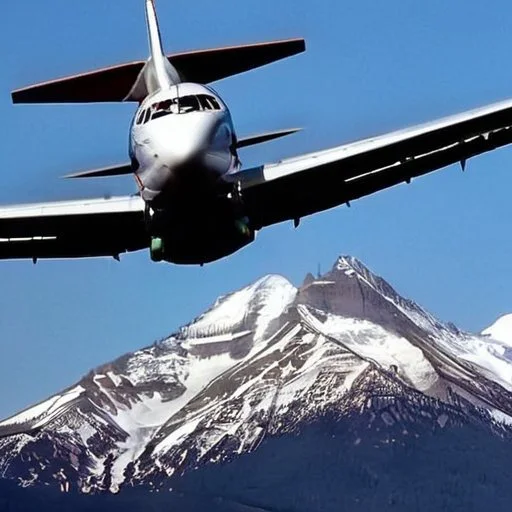
The crash of Flight 769 led to significant advancements in aviation technology, particularly in the development of more reliable and accurate altimeters. The incident highlighted the importance of real-time data and accurate instrumentation in the cockpit, leading to the development of more sophisticated avionics systems.
The tragedy also accelerated the adoption of satellite-based navigation systems, which provided more accurate and reliable information about terrain and altitude. These technological advancements have since become industry standards, playing a crucial role in reducing the risk of similar accidents in the future.
The crash of JAT Airways Flight 769 had significant economic implications for Yugoslavia. The incident led to a decline in air travel demand, resulting in revenue losses for the airline and the country's tourism industry.
The disaster also prompted a significant investment in air safety infrastructure, including the establishment of a new air traffic control system and the upgrading of aviation safety equipment. While these investments were costly, they ultimately contributed to a safer and more reliable air transportation system in Yugoslavia.