


On October 22, 1987, the Houston Grand Opera premiered John Adams' groundbreaking opera, Nixon in China, an audacious work that reimagined the historic 1972 diplomatic visit of President Richard Nixon to China. This monumental event marked a watershed moment in American cultural history, forever altering the landscape of opera, politics, and art.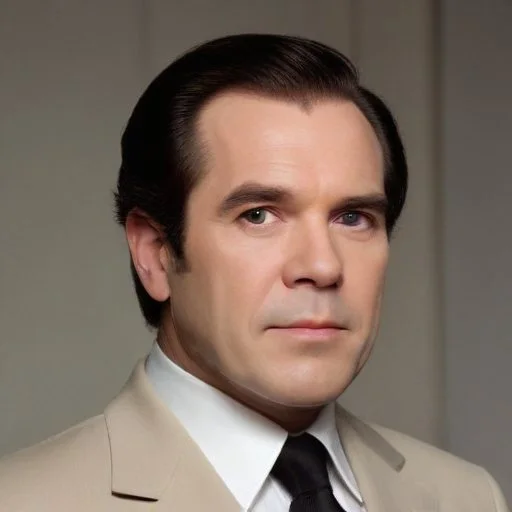
Adams' innovative masterpiece burst onto the scene, defying conventions and challenging the status quo. By marrying minimalism with romanticism, the composer crafted a unique sonic landscape that captivated audiences and critics alike. Librettist Alice Goodman's poetic script brought the iconic figures of Nixon, Mao, and their wives to life, humanizing the protagonists and inviting the audience to ponder the complexities of power and diplomacy.
Behind the scenes, a talented cast of creatives and performers brought the opera to life:
Nixon in China received widespread critical acclaim, earning numerous awards and nominations:
Nixon in China's premiere marked a turning point in American cultural history, paving the way for a new generation of opera composers and cementing Adams' status as a leading figure in the genre:
As the curtains closed on that fateful night in Houston, John Adams' Nixon in China forever altered the cultural landscape, leaving an indelible mark on the world of opera, politics, and art.
The cultural impact of Nixon in China was felt far beyond the opera house. The work's bold experimentation and innovative storytelling inspired a new generation of artists, writers, and musicians. The opera's themes of diplomacy, politics, and cultural exchange resonated with audiences in the late 1980s, a time of great social and political change.
In the years following the premiere, Nixon in China became a cultural touchstone, referenced and parodied in popular media, from The Simpsons to Saturday Night Live. The opera's influence can be seen in everything from the work of contemporary composer Thomas Adès to the musical theater of Lin-Manuel Miranda.
The Cultural Legacy of Nixon in China
The 1972 visit of President Nixon to China was a pivotal moment in geopolitics, marking a significant shift in the balance of power between the United States and China. The diplomatic thaw that followed paved the way for increased trade, cultural exchange, and cooperation between the two nations.
In the years leading up to the visit, the United States and China had been locked in a Cold War stalemate, with little direct communication or diplomatic contact. Nixon's bold move to engage with Mao Zedong and the Chinese government marked a new era of détente and cooperation.
The Geopolitical Context of Nixon's VisitAlice Goodman's libretto brought to life the complex and fascinating characters of Richard Nixon, Pat Nixon, Mao Zedong, and Jiang Qing. Through their words and actions, Goodman revealed the human side of these historical figures, crafting a nuanced and multifaceted portrait of power and diplomacy.
Nixon emerges as a complex and conflicted figure, driven by a desire for greatness and a fear of failure. Mao, meanwhile, is depicted as a calculating and enigmatic leader, whose motivations and intentions are often unclear.
Character Profiles: Nixon and Mao
The archival records of the Nixon administration offer a fascinating glimpse into the planning and execution of the 1972 visit to China. Diplomatic cables, memos, and correspondence reveal the intricacies of international diplomacy and the high stakes of the visit.
One remarkable document is the transcript of Nixon's meeting with Mao, in which the two leaders engage in a candid and often humorous conversation about everything from politics to ping-pong.
Archival Documents: A Window into the PastThe political implications of Nixon in China were far-reaching, challenging traditional notions of politics and art. The opera's exploration of diplomacy, power, and international relations sparked a new wave of political engagement and activism in the arts.
In the years following the premiere, Nixon in China became a rallying cry for artists and activists seeking to challenge the status quo and push the boundaries of political discourse.
The Political Impact of Nixon in China