


On a fateful day in June 1497, Italian explorer John Cabot, commissioned by King Henry VII of England, made history by landing on the uncharted shores of North America, specifically in present-day Newfoundland. This groundbreaking expedition marked the first European exploration of the region since the Vikings, setting the stage for a new era of exploration and settlement in the Americas.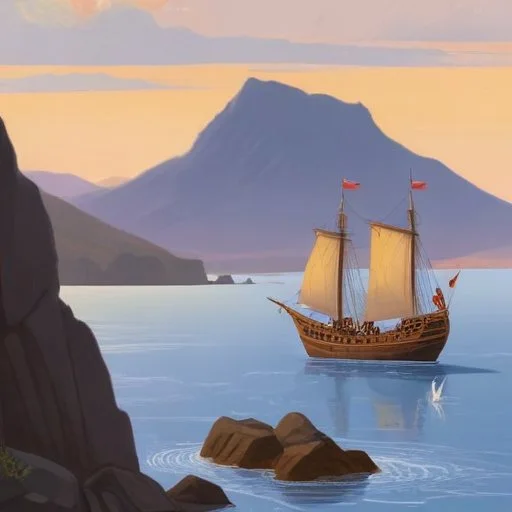
In the late 15th century, European powers were in a frenzy to claim new territories and expand their empires. The Portuguese had already established a foothold in West Africa, and the Spanish were making inroads in the Caribbean. Meanwhile, the English monarchy was eager to join the fray, and King Henry VII saw an opportunity to tap into the riches of the New World.
Cabot's fleet, consisting of a small fleet of five ships, set sail from Bristol, England in early May 1497. After weeks of battling treacherous Atlantic waters, the ships finally spotted the shores of Newfoundland on June 24, 1497. The crew anchored in a tranquil bay, which would later become known as Bonavista Bay, and encountered the indigenous Beothuk people.
Initial contact between the European explorers and the Beothuk was peaceful, with both parties exchanging gifts and engaging in respectful dialogue. The Beothuk, known for their skilled hunting and gathering practices, were fascinated by the strangers' metal tools and cloth. Cabot and his crew, in turn, were amazed by the Beothuk's expertise in navigating the harsh wilderness.
Cabot, acting on behalf of King Henry VII, formally claimed the land for England, erecting a cross and conducting a solemn ceremony to mark the occasion. This symbolic act would have far-reaching implications, as it established England's claim to the region and paved the way for future exploration and settlement.
Cabot's voyage opened the floodgates for further European exploration and settlement of the Americas. The English, in particular, were keen to capitalize on this new discovery, and subsequent expeditions led to the establishment of permanent settlements in North America. The Beothuk, on the other hand, would face significant challenges as a result of European encroachment, including displacement, disease, and cultural erosion.
The encounter between Cabot's crew and the Beothuk had a profound impact on both cultures. The exchange of goods and ideas facilitated the transfer of knowledge, skills, and technologies between Europe and North America. Moreover, the encounter challenged traditional notions of the New World and its indigenous populations, fostering a greater understanding of the complexities of cultural diversity.
John Cabot's pioneering voyage marked a significant turning point in the history of exploration and settlement in the Americas. While it had its consequences for the indigenous populations, it also paved the way for the exchange of ideas, cultures, and technologies that would shape the modern world. As we reflect on this momentous event, we are reminded of the boundless potential of human curiosity and the importance of embracing the unknown.
One of the most intriguing aspects of John Cabot's voyage is the mystery surrounding his route to North America. Historians have long debated the exact path he took, with some suggesting that he may have sailed through the Davis Strait between Greenland and Canada. Others propose that he may have followed the coastline of present-day Norway and Iceland before crossing the Atlantic. While we may never know the exact route Cabot took, it is clear that his journey was marked by determination and perseverance in the face of treacherous seas and uncharted territories.
Further investigation into Cabot's journey reveals that he was not only driven by a desire to reach Asia, but also by a sense of adventure and curiosity about the unknown. His voyage marked a significant shift in European exploration, as it demonstrated that the Atlantic Ocean was not an insurmountable barrier to reaching new lands. This newfound confidence sparked a wave of expeditions that would eventually lead to the discovery of the New World.
John Cabot's son, Sebastian, played a significant role in his father's voyages, accompanying him on his second expedition to North America in 1498. Sebastian's experiences on this voyage would shape his own views on exploration and settlement, and he would later go on to lead his own expeditions to the Americas.
Sebastian's involvement in his father's voyages highlights the importance of family ties in shaping the course of history. The Cabot family's involvement in exploration and settlement would have a lasting impact on the development of the Americas, and their contributions would be remembered for generations to come.
The encounter between John Cabot's crew and the Beothuk people had a profound impact on both cultures. The exchange of goods and ideas facilitated the transfer of knowledge, skills, and technologies between Europe and North America.
The Beothuk people's expertise in crafting birchbark canoes, for example, would influence European boat-building techniques, while the Europeans' metal tools and cloth would eventually become integral to the Beothuk's daily lives. This cultural exchange would have far-reaching implications, shaping the course of future interactions between indigenous peoples and European explorers.
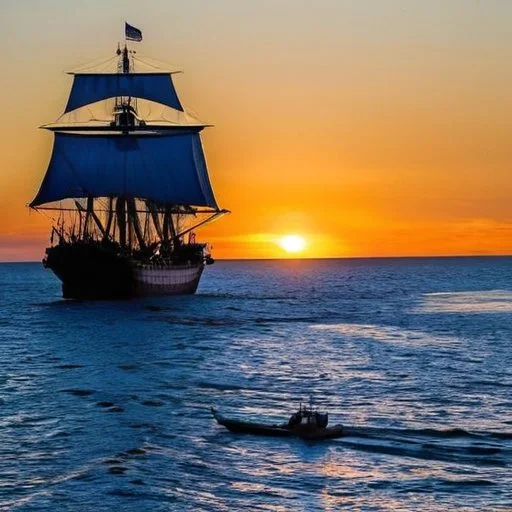
The historical context in which John Cabot's voyage took place is crucial to understanding its significance. The late 15th century was a time of intense rivalry among European powers, with Spain, Portugal, and England vying for dominance in the New World.
Cabot's voyage was part of a larger strategy by King Henry VII to establish England as a major player in the colonization of the Americas. The English monarchy saw the New World as a source of untold riches and a means of expanding its empire, and Cabot's voyage marked the beginning of England's involvement in this process.
One of the most fascinating artifacts associated with John Cabot's voyage is the Cantino Map, a hand-drawn chart created in 1502. This map provides valuable insights into the extent of European knowledge about the New World at the time, and it is believed to be one of the earliest surviving maps to depict the coast of North America.
The Cantino Map is significant not only because of its historical importance but also because it highlights the role of cartography in shaping our understanding of the world. The map's intricate details and annotations offer a unique window into the minds of Renaissance-era explorers and cartographers.