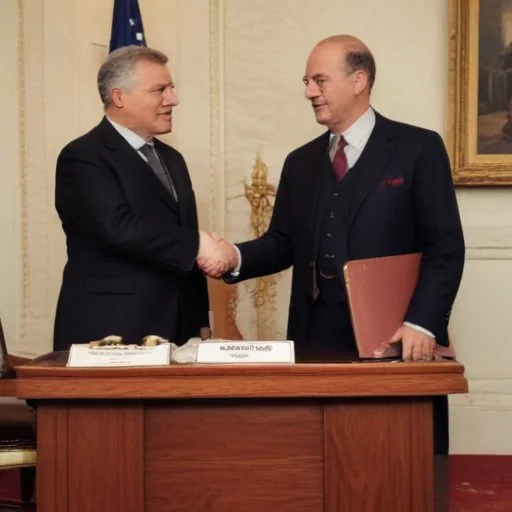
Kellogg-Briand Pact Outlaws War as Foreign Policy Tool
The Kellogg-Briand Pact, a groundbreaking international agreement, took effect on this day in 1929, renouncing war as an instrument of foreign policy. The pact, signed in Paris on August 27, 1928, by 15 nations, including the United States, Germany, and France, aimed to outlaw war and promote peaceful conflict resolution. This revolutionary treaty, initiated by U.S. Secretary of State Frank Kellogg and French foreign minister Aristide Briand, sought to prevent future wars by establishing a moral and legal framework for international relations. Although it ultimately failed to prevent World War II, the pact paved the way for modern international law and the development of the United Nations.