


On a fateful night in August 1997, Korean Air Flight 801 etched its name into the annals of aviation history as one of the deadliest air crashes of the decade. The ill-fated Boeing 747, on a routine flight from Seoul to Guam, met its catastrophic demise on the slopes of Nimitz Hill, claiming the lives of 229 of its 254 passengers and crew.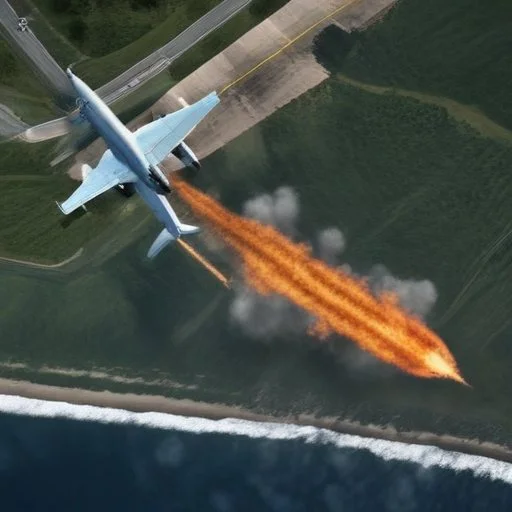
The perfect storm of human error, inadequate training, and technological shortcomings converged to create a catastrophic scenario. Captain Park Jaehyup, a seasoned pilot with over 8,000 hours of flying experience, was at the helm of the doomed flight. However, his decision to descend below the minimum safe altitude, coupled with the lack of critical safety features, sealed the fate of the aircraft and its occupants.
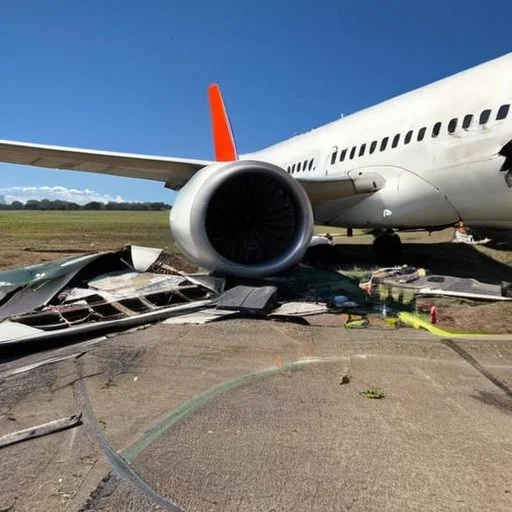
The impact was immense, and the subsequent fire ensured that rescue efforts were futile. The crash site was a scene of utter devastation, with debris scattered across the hillside and surrounding area. The investigation that followed revealed a web of errors and oversights, including inadequate pilot training, insufficient safety protocols, and the lack of a crucial terrain-following radar system.
The Korean Air Flight 801 disaster led to a major overhaul of aviation safety regulations, highlighting the importance of:
The tragic loss of life on that fateful night is a poignant reminder of the devastating consequences of human error and complacency. As we reflect on the Korean Air Flight 801 disaster, we honor the memories of the victims and their families, who suffered unimaginable loss and grief.
In the aftermath of the crash, Korean Air and the global aviation community came together to implement sweeping reforms, ensuring that such a tragedy would never be repeated. Today, we remember the victims of Flight 801 by continuing to strive for excellence in aviation safety, ever vigilant and dedicated to protecting the lives of those who take to the skies.
The Korean Air Flight 801 crash was not an isolated incident. In the years leading up to the tragedy, Korean Air had experienced a series of close calls and minor incidents, which had raised concerns about the airline's safety standards. Despite these warning signs, the airline had failed to implement adequate safety measures, and the crash of Flight 801 was the ultimate consequence.
The investigation into the crash revealed a culture of complacency within Korean Air, where pilots were often pressured to meet tight schedules and cut corners to save time. This culture of expediency had led to a relaxation of safety protocols, and the crash of Flight 801 was a stark reminder of the devastating consequences of such an approach.
In the aftermath of the crash, Korean Air was forced to re-examine its safety procedures and implement sweeping reforms. The airline's poor safety record had damaged its reputation and affected its bottom line, and it was only through a concerted effort to improve safety standards that the airline was able to recover.
Captain Park Jaehyup, the pilot of Korean Air Flight 801, was a seasoned aviator with over 8,000 hours of flying experience. Despite his extensive experience, Captain Park was not immune to the pressures of commercial aviation, and the investigation into the crash revealed that he had made a series of critical errors in the moments leading up to the disaster.
Born in 1944, Captain Park had begun his flying career in the Korean Air Force, where he had served as a fighter pilot. After leaving the military, he had joined Korean Air, quickly rising through the ranks to become a senior captain. Captain Park was known among his colleagues as a confident and experienced pilot, but the crash of Flight 801 would forever mar his reputation.
The crash of Korean Air Flight 801 highlighted the importance of terrain-following radar systems in commercial aviation. At the time of the crash, Korean Air did not have such a system installed on its aircraft, and the lack of this critical safety feature had contributed to the disaster.
In the aftermath of the crash, the Federal Aviation Administration (FAA) and the International Civil Aviation Organization (ICAO) mandated the implementation of terrain-following radar systems on all commercial aircraft. This move has since become a standard safety feature in the industry, and has saved countless lives.
The crash of Korean Air Flight 801 occurred at a time of great geopolitical tension between North and South Korea. The relationship between the two countries had been strained for decades, and the crash of the aircraft was initially seen as a possible act of sabotage or terrorism.
However, the investigation into the crash quickly ruled out any foul play, and the focus shifted to the safety standards of Korean Air and the global aviation industry as a whole. The crash of Flight 801 served as a stark reminder of the importance of prioritizing safety in the face of political instability.
The crash of Korean Air Flight 801 had a profound impact on Korean culture, leading to a re-examination of the country's priorities and values. The disaster highlighted the importance of safety and accountability, and led to a greater emphasis on these values in Korean society.
In the aftermath of the crash, many Koreans were left to question the country's rapid modernization and industrialization, and whether the pursuit of economic growth had come at the expense of safety and human life. The crash of Flight 801 served as a wake-up call for the nation, leading to a greater focus on safety and accountability in all aspects of Korean life.