


The Korean War, often referred to as the "Forgotten War," is known for being one of the most devastating conflicts of the 20th century, claiming millions of lives and leaving a lasting impact on the Korean Peninsula. The war began on June 25, 1950, when North Korean forces, backed by Communist China and the Soviet Union, launched a surprise attack across the 38th parallel, invading South Korea.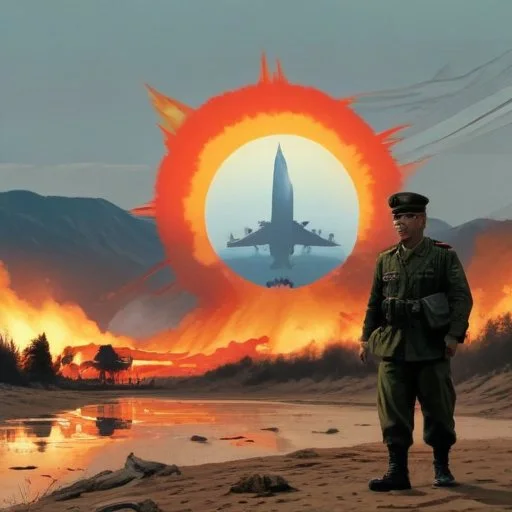
At the end of World War II, Korea was divided along the 38th parallel, with the Soviet Union occupying the north and the United States occupying the south. This division was intended to be temporary, but as the Cold War intensified, the two powers failed to agree on a unified government, leading to the establishment of separate governments in each half. The North, under the leadership of Kim Il-sung, adopted a communist system, while the South, led by Syngman Rhee, moved towards a capitalist economy.
The war lasted from June 1950 to July 1953, with key events including:
The Korean War resulted in:
The Korean War had a profound impact on Korean culture and society, leading to:
"We will not be intimidated by the communist aggressors." - Syngman Rhee
The Korean War is often compared to other conflicts of the Cold War era, including the Vietnam War and the Cuban Missile Crisis. However, the war's unique combination of ideological, geographical, and military factors make it a distinct event in modern history.
The Korean War is filled with stories of bravery and sacrifice, including the tale of Medal of Honor recipient, Private First Class Hector A. Cafferata Jr., who single-handedly repelled an enemy attack, saving the lives of his comrades.
The Korean War set a precedent for international intervention in conflicts, influencing the course of future wars, including the Vietnam War and the Gulf War. The war also led to a significant increase in military spending and a shift in the global balance of power.
The Korean War inspired a sense of national unity in South Korea, with citizens rallying behind their government and military. The war also sparked a sense of international cooperation, with the United Nations playing a key role in the conflict.
The Korean War may be known as the "Forgotten War," but its impact on the Korean Peninsula and the world at large is undeniable. As we reflect on this devastating conflict, we are reminded of the importance of diplomacy, cooperation, and sacrifice in the face of adversity.
The Korean War had a profound impact on Korean culture, leading to a surge in film and literary productions that reflected the nation's experiences and emotions during the conflict. Many classic Korean films, such as The Battle of Pochonbo and Aimless Bullet, were set during the war, while novels like The War and Human Existence and The Cry of the Magpie explored the human cost of the conflict.
The war also influenced international film and literature, with works like The Bridges at Toko-Ri and M*A*S*H capturing the Western experience of the war. These cultural productions not only reflected the trauma and sacrifice of the war but also helped to shape public opinion and memory of the event.
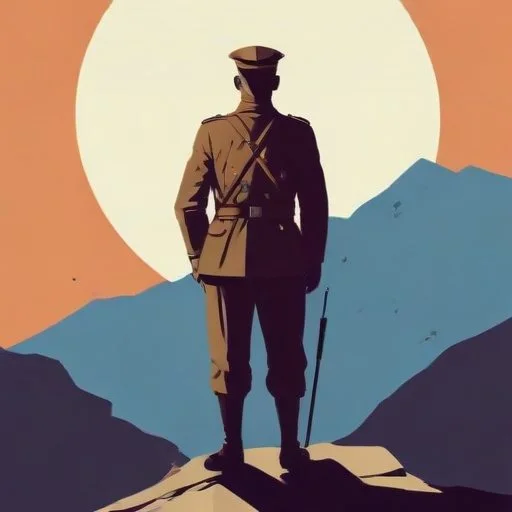
General Matthew B. Ridgway is often overshadowed by General Douglas MacArthur, but his contributions to the Korean War were instrumental in turning the tide of the conflict. Ridgway took command of the Eighth Army in December 1950, following the disastrous retreat from Pyongyang, and led the forces to a series of victories that halted the North Korean advance.
A skilled tactician and leader, Ridgway was known for his ability to inspire his troops and adapt to changing circumstances on the battlefield. His leadership during the war earned him the respect of his peers and the admiration of his soldiers.
The Korean War marked a significant escalation of the Cold War, as the United States and the Soviet Union engaged in a proxy conflict on the Korean Peninsula. The war was a product of the ideological rivalry between the two superpowers, with the United States seeking to contain the spread of communism and the Soviet Union attempting to expand its influence in East Asia.
The war also highlighted the importance of alliances and partnerships in the Cold War era, as the United States relied on the United Nations and its member states to support its efforts in Korea.
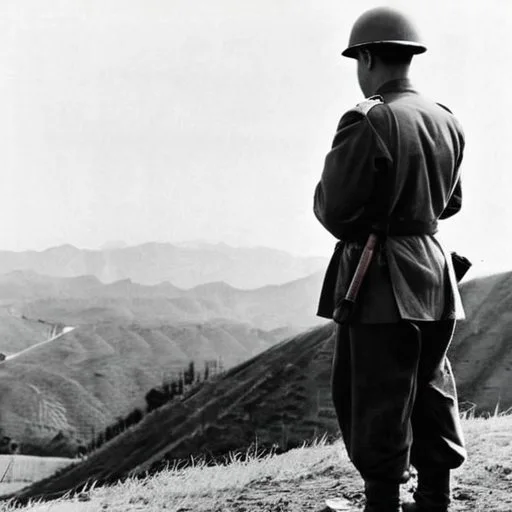
The Korean War had a devastating impact on the environment, with widespread destruction of forests, wildlife habitats, and ecosystems. The use of napalm, chemical agents, and other toxic substances by the United States and its allies contaminated soil and water sources, leading to long-term health and environmental problems.
The war also led to the displacement of thousands of people, resulting in the degradation of natural resources and the loss of biodiversity in the affected areas.
The Korean War saw significant advances in military technology, including the development of jet fighter aircraft, electronic warfare capabilities, and advanced communication systems. The war also spurred the development of medical technologies, such as mobile army surgical hospitals (MASH) and helicopter evacuation systems.
The war's technological innovations had far-reaching impacts on modern warfare, influencing the development of military doctrine and strategy in the decades that followed.