


The Korean War was marked by numerous atrocities, but one of the most heinous was the Seoul National University Hospital massacre, where the Korean People's Army brutally killed almost a thousand innocent lives, including doctors, nurses, wounded soldiers, and civilian patients.
In the heart of Seoul, the Seoul National University Hospital was supposed to be a safe haven for those seeking medical attention. However, on a fateful day in 1950, North Korean soldiers stormed the hospital, leaving a trail of terror and devastation behind. The once-peaceful corridors were transformed into a battleground, where the cries of the wounded and the dying filled the air.
The Korean War was a brutal conflict that lasted from 1950 to 1953, pitting the Democratic People's Republic of Korea (North Korea) against the Republic of Korea (South Korea). The war was sparked by the North's invasion of the South, with the aim of reunifying the peninsula under communist rule.
In the early days of the war, the North Korean army advanced rapidly, capturing key cities and territories. As they approached Seoul, the South Korean capital, the Seoul National University Hospital became a target. On a day in June 1950, North Korean soldiers, fueled by propaganda and hatred, stormed the hospital, firing indiscriminately at everyone in sight.
The hospital's staff and patients, including wounded soldiers, were caught off guard. Many attempted to flee, but it was too late. The North Korean soldiers showed no mercy, killing everyone they encountered, including those who were helpless and unable to defend themselves.
The massacre left a deep scar on the psyche of the Korean people. The hospital, once a symbol of hope and healing, was now a haunting reminder of the brutality of war. The international community was shocked and outraged by the atrocity, condemning the North Korean regime for its actions.
The massacre also had a profound impact on the war effort. The South Korean government, with the support of the United Nations, vowed to fight back against the North's aggression, and the war raged on for three more years.
Today, the Seoul National University Hospital massacre is remembered as one of the darkest chapters in the Korean War. A memorial was erected at the hospital to honor the victims, a poignant reminder of the devastating consequences of war.
The massacre serves as a stark reminder of the importance of protecting human life, even in the midst of conflict. It is a testament to the bravery and resilience of the Korean people, who have worked tirelessly to rebuild and recover from the devastating effects of war.
"War is not just about bullets and bombs; it's about the human cost, the lives lost, and the families torn apart." - Unknown
The Seoul National University Hospital massacre is a painful reminder of the devastating consequences of war and the importance of promoting peace and understanding in our world.
The Seoul National University Hospital massacre was not an isolated incident. It was part of a larger pattern of atrocities committed by the North Korean army during the Korean War. In the early days of the war, the North Korean army was responsible for numerous massacres of civilians, including the Ganghwa massacre, the Yeosu massacre, and the Bodo League massacre, among others. These massacres were often carried out with extreme brutality, with victims being shot, bayoneted, or blown up with grenades.
The North Korean army's actions were motivated by a desire to crush any opposition to their rule and to terrorize the civilian population into submission. However, their actions ultimately backfired, as they galvanized opposition to the North Korean regime and led to widespread international condemnation.
Despite the brutality of the massacres, the Korean people showed remarkable resilience and courage in the face of overwhelming odds. Many civilians risked their lives to help wounded soldiers and escapees, and to provide intelligence to the South Korean military. Their bravery and sacrifice will always be remembered as a testament to the strength and spirit of the Korean people.

One of the most tragic victims of the Seoul National University Hospital massacre was Dr. Lee Hae-won, a renowned surgeon who had dedicated his life to saving others. Dr. Lee was working at the hospital on the day of the massacre, and he was killed while trying to protect his patients from the North Korean soldiers.
Dr. Lee was a highly respected figure in Korean medical circles, known for his exceptional skill and his unwavering commitment to his patients. He was also a devoted husband and father, who left behind a wife and two young children.
Dr. Lee's sacrifice will never be forgotten, and he is remembered as a hero and a symbol of the bravery and selflessness of the Korean people during the war.
The Seoul National University Hospital massacre had a profound impact on Korean culture, as it highlighted the importance of protecting human life and preserving human dignity, even in the midst of conflict.
The massacre also led to a renewed emphasis on the importance of education and healthcare in Korean society. The hospital had been a symbol of hope and healing, and its destruction served as a stark reminder of the devastating consequences of war.
In the years following the war, the Korean government made significant investments in rebuilding and expanding the healthcare system, and in promoting education and cultural development.
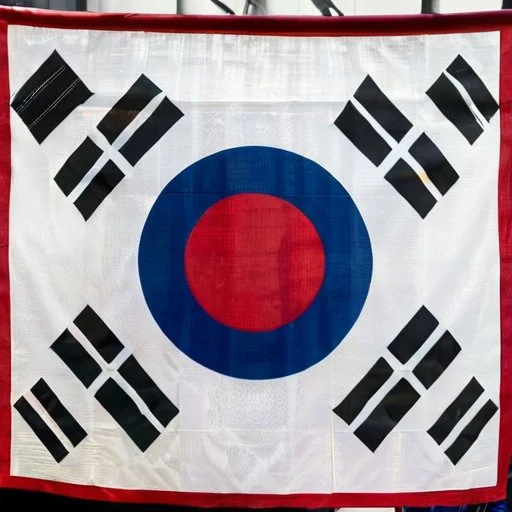
The Seoul National University Hospital massacre had significant economic implications for South Korea, as it led to a massive influx of international aid and investment in the country's healthcare system.
The hospital itself was rebuilt and expanded, with the help of international donors and organizations. The South Korean government also invested heavily in rebuilding and modernizing the country's healthcare infrastructure.
The war and the massacre also led to significant economic growth in South Korea, as the country became a major recipient of international aid and investment.
The Seoul National University Hospital massacre was a major turning point in the Korean War, as it galvanized international opposition to the North Korean regime and led to increased military and economic support for South Korea.
The massacre was widely condemned by the international community, and it led to a significant increase in support for the United Nations forces fighting in Korea. The war efforts were led by the United States, but many other countries, including Canada, Australia, and the United Kingdom, also played important roles.
The war ultimately ended with the signing of the Armistice Agreement in 1953, which established a ceasefire and created the Demilitarized Zone (DMZ) that separates North and South Korea to this day.