


On a sweltering summer morning, the last remnants of the United States military presence in Afghanistan boarded a C-17 aircraft, marking the end of a 20-year conflict that had ravaged the war-torn nation. As the plane took to the skies, it marked the final withdrawal of American forces from Afghanistan, bringing an end to the longest war in U.S. history.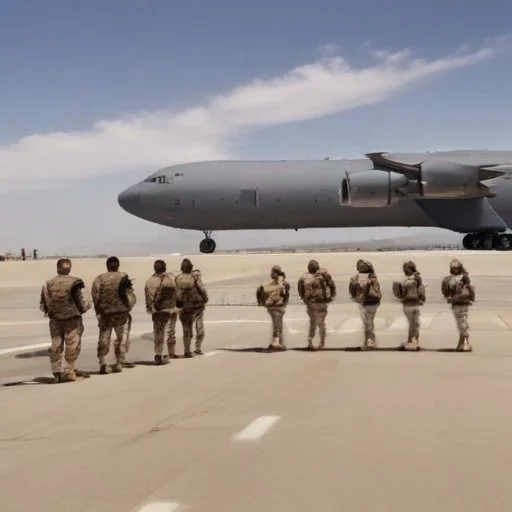
The conflict in Afghanistan had been a lingering shadow over the global landscape, a constant reminder of the devastating consequences of terrorism and the complexities of nation-building. It began in the aftermath of 9/11, when the U.S. launched Operation Enduring Freedom to hunt down the perpetrators of the deadly attacks. Over the course of two decades, the war evolved into a complex web of counterinsurgency operations, nation-building efforts, and counter-terrorism missions.
The war had exacted a devastating human toll, with estimates suggesting that over 31,000 civilians had lost their lives, and millions more had been displaced from their homes. The conflict had also claimed the lives of over 2,400 American service members, leaving behind a trail of grief and loss for their families and loved ones. The economic cost of the war was staggering, with estimates suggesting that the U.S. had spent over $2 trillion on military operations and reconstruction efforts.
The road to withdrawal was paved with uncertainty and controversy. The Trump administration had signed a peace deal with the Taliban in 2020, which paved the way for a gradual withdrawal of U.S. forces. However, the deal was criticized for its conditional nature, with the Taliban promising to cut ties with terrorist groups in exchange for a phased withdrawal. The Biden administration built upon this framework, announcing a full withdrawal of U.S. forces by September 11, 2021.
As the last American troops departed Afghan soil, the nation was left to ponder its uncertain future. The Taliban, which had been ousted from power in 2001, was poised to regain control of the country, raising concerns about human rights, women's empowerment, and the protection of minorities. The Afghan government, which had been propped up by international support, was left to fend for itself, struggling to assert its authority in the face of rising Taliban aggression.
The U.S. withdrawal from Afghanistan has been marked by controversy and divisiveness. Critics have argued that the hasty withdrawal has left the country vulnerable to Taliban resurgence, while others have applauded the decision to bring an end to a costly and protracted conflict. The legacy of the war will continue to be debated and argued, with some hailing it as a necessary response to terrorism, while others view it as a costly and misguided adventure.
For those who had lived through the war, the withdrawal was a poignant reminder of the sacrifices made and the lives lost. "I remember the day the Americans came to our village," recalled Ahmed, a young Afghan who had grown up under the shadow of war. "They promised us freedom and security, but all we got was chaos and violence." For others, the withdrawal marked a new beginning, a chance to rebuild and reclaim their lives in a country slowly emerging from the ravages of war.
The war in Afghanistan had been marked by countless acts of bravery and sacrifice, with numerous service members and civilians receiving awards and honors for their service. From the Medal of Honor to the Purple Heart, the sacrifices made during the conflict will be remembered and honored for generations to come.
The withdrawal from Afghanistan will likely have far-reaching consequences for global politics and international relations. The U.S. decision to withdraw its forces has raised questions about its commitment to global security, while the Taliban's resurgence has sparked concerns about the spread of terrorism. As the global community grapples with the implications of the withdrawal, one thing is clear – the legacy of the war in Afghanistan will be felt for years to come.
As the dust settles on the withdrawal, speculation is rife about what the future holds for Afghanistan. Will the Taliban regain control, or will the Afghan government assert its authority? Will the country slide into chaos, or will it emerge as a beacon of hope in a troubled region? One thing is certain – the world will be watching as Afghanistan charts its uncertain course into the unknown.
In the aftermath of the Soviet-Afghan War, the Taliban emerged as a prominent force in Afghanistan, drawing support from disillusioned mujahideen fighters and rural communities. Led by Mullah Mohammad Omar, the Taliban promised to restore order and stability to a war-torn nation, capitalizing on the power vacuum left by the collapse of the communist government. By 1996, the Taliban had seized control of Kabul, imposing a harsh brand of Islamic law that restricted women's rights, banned education for girls, and provided sanctuary to terrorist organizations like al-Qaeda.
The Taliban's rise to power was facilitated by Pakistan, which provided military and financial support to the movement. The Pakistani Inter-Services Intelligence (ISI) agency played a crucial role in backing the Taliban, viewing them as a counterweight to Indian and Iranian influence in the region. This complex web of allegiances and rivalries would have far-reaching consequences, shaping the trajectory of the war in Afghanistan and beyond.

Ahmed Shah Massoud, the legendary Afghan resistance leader, was a fierce opponent of the Taliban regime. Known as the "Lion of Panjshir," Massoud had fought against the Soviet occupation in the 1980s and later became a key figure in the anti-Taliban Northern Alliance. His unyielding commitment to democracy and human rights earned him international recognition, and his defiance in the face of Taliban aggression inspired a generation of Afghans.
Massoud's assassination on September 9, 2001, two days before the 9/11 attacks, was a devastating blow to the Afghan people and the international community. His legacy, however, continues to inspire hope and resistance against oppressive regimes, serving as a powerful symbol of Afghan resilience and determination.
The war in Afghanistan and the Vietnam War share striking similarities. Both conflicts were marked by lengthy engagements, with the United States deploying massive military resources to counter insurgency movements. In both cases, the U.S. struggled to define a clear victory, and the wars became increasingly unpopular among the American public.
Both wars also saw the deployment of innovative military strategies, including counterinsurgency operations and "hearts and minds" campaigns. However, these efforts were ultimately unsuccessful in quelling the insurgencies, leading to a reevaluation of U.S. military doctrine and the development of new counterterrorism strategies.
The war in Afghanistan has had a devastating impact on the country's environment. The widespread use of explosive munitions has contaminated soil and water sources, posing long-term health risks to local populations. The conflict has also led to the destruction of natural habitats, threatening endangered species like the snow leopard and the Asiatic cheetah.
The war has also exacerbated environmental degradation, as refugees and internally displaced persons have been forced to rely on unsustainable practices like deforestation and overgrazing to survive. The International Committee of the Red Cross has estimated that over 80% of Afghanistan's forests have been lost since the 1970s, highlighting the urgent need for environmental rehabilitation efforts in the post-conflict era.
The U.S. withdrawal from Afghanistan has significant implications for regional geopolitics. The Taliban's resurgence has sparked concerns about the spread of terrorist safe havens, with neighboring countries like Pakistan, Iran, and China seeking to capitalize on the power vacuum.
The withdrawal has also raised questions about the U.S. commitment to global security, with some allies viewing the move as a retreat from international responsibilities. As the international community grapples with the implications of the withdrawal, the United States will need to reassert its leadership role in maintaining regional stability and countering terrorist threats.