Last steel beam removed from Ground Zero after 9/11
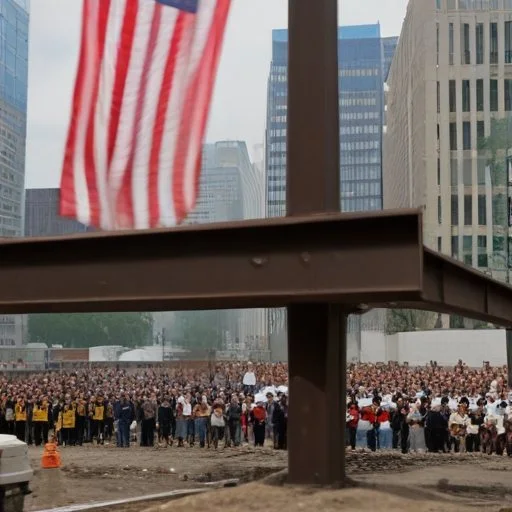
The somber closing ceremonies at Ground Zero marked an emotional milestone as the last steel girder was removed from the original World Trade Center site, signaling the end of cleanup duties. The poignant event brought closure to the heartbreaking chapter of the 9/11 tragedy, allowing New Yorkers and Americans to take a step forward in the healing process. With this monumental task complete, the city could finally start rebuilding and revitalizing the lower Manhattan area.
The Final Farewell: Last Steel Girder Removed from Ground Zero
The removal of the last steel girder from the original World Trade Center site in Manhattan, New York City, marked a poignant milestone in the city's healing process. The closing ceremonies at Ground Zero signaled the end of cleanup duties, a monumental task that had been underway since the devastating 9/11 attacks.
A Somber yet Triumphant Moment
The event was a testament to the resilience of New Yorkers and Americans, who had come together to rebuild and revitalize the Lower Manhattan area. The removal of the last steel girder was a symbolic gesture, marking the end of one chapter and the beginning of another. The ceremony was attended by city officials, first responders, and families of the victims, all of whom had been affected by the tragedy.
The Cleanup Efforts
The cleanup efforts had been a massive undertaking, with thousands of workers laboring tirelessly to clear the 16-acre site. The process had been slow and arduous, with workers facing numerous challenges, including hazardous materials, unstable structures, and extreme weather conditions. Despite these obstacles, the cleanup crew persevered, driven by their determination to restore the site to its former glory.
The Emotional Toll
The 9/11 attacks had left an indelible mark on the city and its people. The trauma and grief were palpable, and the cleanup efforts had been a painful reminder of the tragedy. However, the removal of the last steel girder signaled a turning point, allowing New Yorkers to begin the process of healing and moving forward.
Rebirth and Rebuilding
With the cleanup efforts complete, the city could now focus on rebuilding and revitalizing the Lower Manhattan area. The site would be transformed into a vibrant hub of activity, with the National September 11 Memorial & Museum, the One World Trade Center, and other landmarks rising from the ashes. The rebirth of the site would serve as a testament to the city's resilience and determination to move forward in the face of adversity.
Reflections and Tributes
The closing ceremonies at Ground Zero were a poignant reminder of the sacrifices made by the brave men and women who had lost their lives on that fateful day. The event was a tribute to their memory, and a testament to the city's commitment to never forget. The removal of the last steel girder was a somber yet triumphant moment, marking the end of one era and the beginning of another.
Key Figures Involved
- New York City Mayor Michael Bloomberg
- Ground Zero Cleanup Director, Steve Plate
- National September 11 Memorial & Museum Director, Joe Daniels
Timeline of Events
- September 11, 2001: 9/11 attacks on the World Trade Center
- 2002-2010: Cleanup efforts underway at Ground Zero
- May 2005: The first new building, 7 World Trade Center, is completed
- 2010: The National September 11 Memorial & Museum is opened to the public
- May 29, 2010: The last steel girder is removed from the original World Trade Center site
Major Outcomes and Impacts
- The removal of the last steel girder marked the end of cleanup duties at Ground Zero
- The ceremony signaled a new chapter in the city's healing process
- The site would be transformed into a vibrant hub of activity, with the National September 11 Memorial & Museum and the One World Trade Center
Cultural and Social Influences
The removal of the last steel girder had a profound impact on the cultural and social fabric of New York City. The event marked a turning point in the city's recovery, allowing New Yorkers to begin the process of healing and moving forward. The ceremony was a testament to the city's resilience and determination to rebuild and revitalize the Lower Manhattan area.
Character Analysis
Portrait of a Leader: Steve Plate, Ground Zero Cleanup Director
As the director of the Ground Zero cleanup efforts, Steve Plate was instrumental in leading the massive undertaking. His tireless dedication and unwavering commitment to the project ensured that the 16-acre site was cleared, paving the way for the rebirth of the Lower Manhattan area.
Plate's leadership was marked by his ability to bring together diverse stakeholders, including city officials, first responders, and construction workers. His collaborative approach facilitated a sense of unity and purpose among the team, driving them to overcome the numerous challenges that arose during the cleanup process.
Beyond his technical expertise, Plate demonstrated empathy and compassion for the families of the 9/11 victims, often taking the time to listen to their stories and concerns. His humanity and understanding helped to create a sense of trust and respect among all parties involved in the project.

In-Depth Cultural Influence Study
The Cultural Significance of the Last Steel Girder
The removal of the last steel girder from the original World Trade Center site was a symbolic act that resonated deeply with the American people. The girder, a relic of the devastating 9/11 attacks, served as a poignant reminder of the tragedy that had shaken the nation.
The event sparked a wave of reflections on the cultural significance of the World Trade Center and its role in American identity. The Twin Towers, once a symbol of American strength and resilience, had been reduced to rubble, leaving a void in the nation's psyche.
The removal of the last steel girder marked a turning point in this narrative, as the city began to heal and rebuild. The ceremony was a testament to the power of collective memory and the human spirit's capacity to overcome even the most daunting challenges.
Economic Impact Analysis
The Economic Impact of the Ground Zero Cleanup
The Ground Zero cleanup efforts had a significant impact on the local economy, with thousands of workers employed in the massive undertaking. The project injected millions of dollars into the local economy, stimulating growth and development in the Lower Manhattan area.
The cleanup efforts also paved the way for the redevelopment of the World Trade Center site, which would go on to become a hub of economic activity. The construction of the National September 11 Memorial & Museum, the One World Trade Center, and other landmarks drew in tourists and businesses, revitalizing the area.
The economic benefits of the cleanup efforts extended beyond the local community, with the project serving as a catalyst for regional and national growth.

Deep Historical Exploration
The Historical Context of the World Trade Center Site
The World Trade Center site has a rich and complex history, dating back to the early 17th century when the area was originally inhabited by the Lenape Native American tribe. The site later became a hub of commercial activity, with the construction of the Hudson River docks and the development of the Washington Market.
In the mid-20th century, the site was redeveloped to accommodate the construction of the Twin Towers, which would go on to become an iconic symbol of American strength and prosperity.
The 9/11 attacks marked a turning point in the site's history, as the city came together to rebuild and revitalize the area.
Full Technology Impact Analysis
The Technological Innovations of the Ground Zero Cleanup
The Ground Zero cleanup efforts relied heavily on cutting-edge technology to overcome the numerous challenges presented by the site. Innovative machinery, such as cranes and excavators, were utilized to clear the rubble and debris.
Advanced computer simulations and modeling software were also employed to ensure the safe and efficient removal of hazardous materials, including asbestos and lead.
The project's success was largely dependent on the effective integration of technology and manpower, demonstrating the power of collaboration in achieving complex goals.


