


On May 24, 1992, General Suchinda Kraprayoon, the last military dictator of Thailand, relinquished his grip on power, marking a momentous shift towards democracy in the country. This historic event came about as a result of intense prodemocracy protests, led by students, workers, and middle-class citizens, who demanded an end to military rule and the establishment of a democratic government.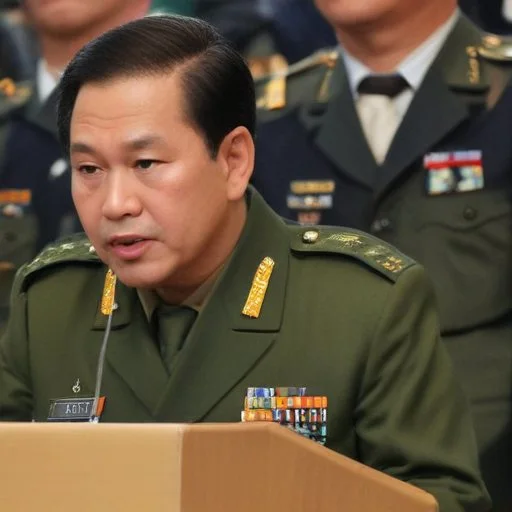
Thailand had been plagued by military coups and dictatorships since the 1970s, with General Suchinda seizing power in 1991. His regime was marked by human rights abuses, censorship, and corruption, leading to widespread discontent among the populace.
The protests, which began in May 1992, were led by a diverse group of individuals, including students, workers, and middle-class citizens. They were united in their demand for democracy and an end to military rule. The movement gained momentum, with thousands taking to the streets, despite the regime's attempts to quell the protests with violence and intimidation.
The international community, led by the United States, condemned General Suchinda's regime and imposed economic sanctions, further exacerbating Thailand's economic woes. The country was facing a severe economic crisis, with high inflation, widespread unemployment, and a dwindling economy. The regime's grip on power was beginning to slip, and it became clear that a change was inevitable.
On May 24, 1992, General Suchinda Kraprayoon announced his resignation, paving the way for Thailand's transition to democracy. The news was met with jubilation, as protesters celebrated their hard-won victory. The event marked a significant shift in the country's political landscape, as it began to transition from a military dictatorship to a democratic government.
The resignation of General Suchinda Kraprayoon marked the beginning of a new era in Thai politics. The country began to transition towards democracy, with free and fair elections being held in 1992. The event also paved the way for future democratic reforms, cementing Thailand's status as a democracy in the Asia-Pacific region.
The event had a profound impact on Thai society, marking a shift towards a more open and democratic culture. It also led to a greater emphasis on human rights, freedom of expression, and the rule of law. The protests and subsequent resignation of General Suchinda Kraprayoon inspired a new generation of Thai citizens to become involved in the democratic process, ensuring that the country's transition towards democracy would be permanent and irreversible.
Chamlong Srimuang, a retired general and politician, emerged as a leading figure in the prodemocracy movement. His involvement in the protests came as a surprise to many, given his military background. However, Chamlong had a long history of advocating for democratic reforms, and his leadership played a crucial role in galvanizing the protest movement.
"Chamlong's participation in the protests added credibility to the movement," said a contemporary observer. "His military background and reputation for integrity helped to convince many Thais that the protests were not just a student-led uprising, but a genuine call for democratic change."

The fall of General Suchinda marked a significant cultural shift in Thailand, as the country began to transition towards a more open and democratic society. The protests and subsequent resignation of the dictator inspired a new generation of Thai citizens to become involved in the democratic process.
The event also had a profound impact on Thai art and literature, with many artists and writers using the protests as a source of inspiration. The themes of democracy, freedom, and human rights became prominent in Thai creative works, reflecting the changing values and aspirations of the Thai people.
The fall of General Suchinda had significant economic implications for Thailand, as the country began to transition towards a more open and democratic economy. The protests and subsequent resignation of the dictator led to a decrease in foreign investment and a rise in inflation, as investors became wary of the country's political instability.
However, in the long run, the democratic reforms ushered in by the fall of General Suchinda led to increased economic growth and stability, as the country became more attractive to foreign investors and began to integrate into the global economy.

The fall of General Suchinda marked the beginning of a new era in Thai politics, as the country transitioned towards a more democratic system of government. The protests and subsequent resignation of the dictator led to the establishment of a new constitution, which guaranteed human rights and freedoms, and paved the way for free and fair elections.
The event also led to a shift in the balance of power in Thai politics, as the military's grip on power began to loosen, and civilian politicians and parties became more prominent.
The fall of General Suchinda took place against the backdrop of a rapidly changing geopolitical landscape, as the Cold War was coming to an end and the global economy was becoming increasingly interconnected. The event was influenced by the pressures of globalization, as international condemnation of the regime's human rights abuses and economic sanctions imposed by the United States and other Western countries contributed to the dictator's downfall.
The fall of General Suchinda also had implications for the region as a whole, as it marked a significant shift towards democratization in Southeast Asia, and inspired similar movements for democracy in other countries in the region.