


On September 15, 2008, Lehman Brothers, a 158-year-old Wall Street institution, made history by filing for Chapter 11 bankruptcy, marking the largest bankruptcy filing in U.S. history. This monumental event sent shockwaves through the global financial system, leaving a trail of unprecedented chaos and uncertainty in its wake.
Founded in 1850, Lehman Brothers was once a stalwart of Wall Street, with a rich history of innovation and growth. The firm played a significant role in shaping the global economy, from financing the construction of the Transcontinental Railroad to advising on the merger between Exxon and Mobil. However, beneath the surface, the firm's aggressive risk-taking and subprime mortgage investments would ultimately prove to be its downfall.
The bankruptcy of Lehman Brothers had a catastrophic impact on the global economy. Markets plummeted, credit froze, and the entire financial system teetered on the brink of collapse. The event triggered a chain reaction of bailouts, mergers, and failures, including the rescue of AIG, the takeover of Merrill Lynch, and the failure of Washington Mutual.
Richard Fuld, Lehman Brothers' CEO, was at the helm when the firm filed for bankruptcy. Fuld, who had been with the company for over 40 years, was criticized for his handling of the crisis and his role in the firm's aggressive risk-taking.
The bankruptcy of Lehman Brothers served as a wake-up call for the financial industry, highlighting the dangers of unchecked risk-taking and the importance of regulatory oversight. The event led to widespread reforms, including the passage of the Dodd-Frank Act, which aimed to prevent similar crises in the future.
As we look back on the bankruptcy of Lehman Brothers, it is clear that the event was a turning point in modern financial history. The crisis served as a reminder of the importance of responsible risk-taking, effective regulation, and global cooperation in preventing such crises in the future.
The roots of Lehman Brothers' demise can be traced back to the 19th century, when the firm's founders, Henry, Emanuel, and Mayer Lehman, emigrated from Bavaria to Alabama. Initially, the brothers traded in cotton, but soon expanded into banking and securities. Over the years, Lehman Brothers grew to become a powerhouse on Wall Street, weathering several financial storms, including the Great Depression.
In the 1980s, Lehman Brothers underwent a significant transformation under the leadership of Peter G. Peterson, who led the firm's effort to become a global investment bank. This strategic shift laid the groundwork for Lehman's subsequent expansion into subprime mortgage trading and its eventual downfall.

Richard Fuld: The Man Behind the Crisis
Richard Fuld, the CEO of Lehman Brothers, was a Wall Street veteran with over 40 years of experience. Fuld joined Lehman Brothers in 1966 and worked his way up the ranks, becoming CEO in 1993. Under his leadership, the firm aggressively expanded its subprime mortgage business, ignoring warnings from risk managers and regulators.
Fuld's leadership style was reportedly autocratic, and he was known for his intense focus on profitability. Despite his efforts to salvage the firm, Fuld was ultimately criticized for his role in Lehman's collapse and was forced to testify before Congress.
Lehman Brothers vs. Bear Stearns: A Tale of Two Banks
In March 2008, Bear Stearns, another Wall Street giant, was sold to JPMorgan Chase in a fire sale. The similarities between Bear Stearns and Lehman Brothers are striking - both firms were heavily invested in subprime mortgages and both were victims of the same market forces. However, while Bear Stearns was rescued, Lehman Brothers was not.
This contrast raises important questions about the role of government intervention in financial crises. Why did the government rescue Bear Stearns but not Lehman Brothers? What were the implications of these differing approaches for the broader economy?
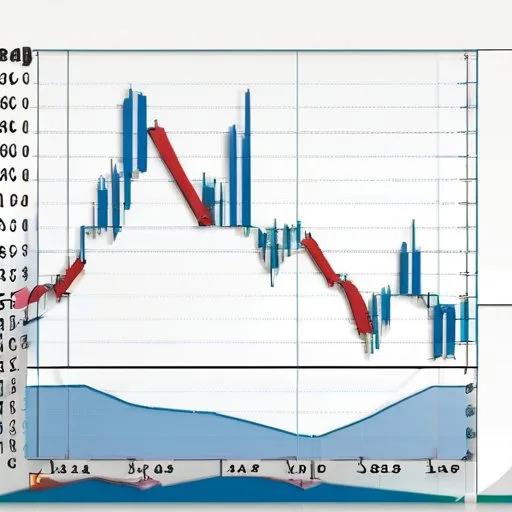
The Global Economic Impact of Lehman's Bankruptcy
The bankruptcy of Lehman Brothers sent shockwaves through the global economy, triggering a credit crisis and widespread instability. The event led to a significant decline in global trade, with international trade contracting by over 12% in 2009.
In the United States, the crisis led to a massive stimulus package and unprecedented monetary policy interventions. The Federal Reserve, led by Chairman Ben Bernanke, implemented a series of quantitative easing measures to stabilize the financial system.
The Geopolitical Context of the Crisis
The bankruptcy of Lehman Brothers occurred against the backdrop of a broader geopolitical landscape marked by rising global tensions. The Iraq War, begun in 2003, had created instability in the Middle East, while the ongoing conflict in Afghanistan had strained global resources.
In this context, the financial crisis was seen as a major challenge to American economic dominance and a potential trigger for global instability. The event led to increased diplomatic efforts to coordinate global economic policy and prevent a complete collapse of the international financial system.