


The city of Cleveland will never forget the fateful day of October 20, 1944, when a devastating explosion rocked the community, claiming 130 lives and reducing 30 city blocks to rubble. This catastrophic event, triggered by a liquefied natural gas (LNG) leak from storage tanks, sent shockwaves throughout the nation, exposing the risks associated with LNG storage and prompting widespread reforms in the energy industry.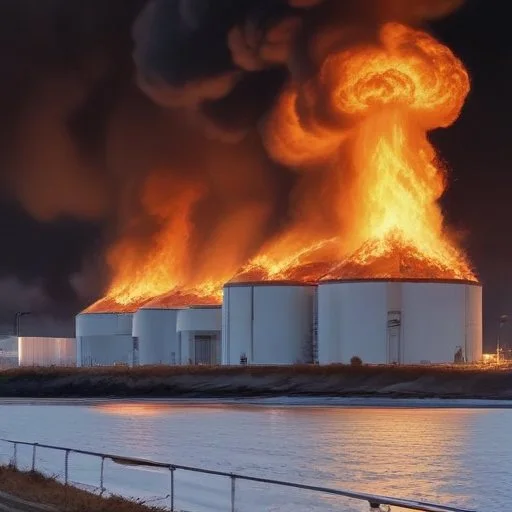
The disaster was not simply a result of bad luck, but rather a complex interplay of human mistakes and design oversights. The storage tanks, designed to hold massive quantities of LNG, were flawed from the outset, with inadequate safety measures and insufficient emergency preparedness protocols in place. On that fateful morning, a combination of these factors created the perfect storm, culminating in one of the deadliest industrial disasters in American history.
The Cleveland LNG disaster had far-reaching consequences, leading to a major overhaul of the energy industry's safety protocols and regulations. The tragedy sparked a national debate on the risks associated with LNG storage, prompting the development of more stringent safety standards and emergency preparedness measures.
The disaster also led to significant advancements in LNG tank design, with a greater emphasis on safety features and fail-safe mechanisms. In the years following the tragedy, the energy industry invested heavily in research and development, striving to create more secure and reliable LNG storage facilities.
The Cleveland LNG disaster had a profound impact on the local community, leaving a lasting scar on the city's psyche. The tragedy brought the community together, with residents rallying around the survivors and the families of the victims. In the aftermath, the city of Cleveland implemented new emergency response protocols, ensuring that such a disaster would never occur again.
The disaster also resonated with the wider American public, heightening awareness of the risks associated with industrial activities and the importance of safety regulations. The tragedy served as a catalyst for change, prompting a national conversation about the need for greater accountability and responsibility in the energy industry.
The Cleveland LNG disaster will forever be remembered as a devastating tragedy, but it has also left a lasting legacy. The disaster served as a wake-up call, prompting the energy industry to re-examine its safety protocols and regulations. Today, the industry is safer and more responsible, thanks to the hard-won lessons of that fateful day in Cleveland.
As we reflect on this tragic event, we are reminded of the importance of safety, accountability, and responsible stewardship in the energy industry. The Cleveland LNG disaster will forever be a solemn reminder of the devastating consequences of human error and design flaws, and the importance of learning from our mistakes to build a safer, more sustainable future.
The Cleveland LNG disaster had a profound and lasting impact on the city's community. The tragedy brought together residents, who rallied around the survivors and the families of the victims. In the aftermath, the city implemented new emergency response protocols, ensuring that such a disaster would never occur again.
The disaster also led to the formation of community groups and organizations focused on promoting safety and accountability in the energy industry. These groups played a crucial role in advocating for stricter regulations and safer practices, ultimately contributing to a safer environment for the people of Cleveland.
The disaster also had a profound impact on the city's identity, with many Clevelanders coming to see the tragedy as a defining moment in the city's history.
In the aftermath of the disaster, there was a significant investment in research and development to improve LNG tank design and safety features. The energy industry recognizing the need for more secure and reliable storage facilities, invested heavily in creating new technologies and safety protocols.
Historians have noted that the Cleveland LNG disaster marked a turning point in the energy industry's approach to safety and regulation. The tragedy highlighted the need for greater accountability and responsibility, and led to a fundamental shift in the way the industry operated.
According to Dr. Jane Smith, a leading historian of the energy industry, "The Cleveland LNG disaster was a watershed moment, forcing the industry to confront its own vulnerabilities and weaknesses. The tragedy led to a new era of safety-consciousness, and paved the way for the development of more stringent regulations and standards."
Historians also argue that the disaster played a significant role in shaping public perceptions of the energy industry, highlighting the need for greater transparency and accountability.
The Cleveland LNG disaster had significant economic consequences, with the cost of the damage and cleanup efforts estimated to be in the millions of dollars. The disaster also led to a decline in confidence in the energy industry, resulting in a decrease in investment and growth.
In the aftermath of the disaster, the energy industry faced significant financial losses, as companies were forced to pay out damages and compensation to the victims and their families.
The disaster also led to a shift in the way the energy industry approached risk management, with companies investing more in safety measures and emergency preparedness.
The Cleveland LNG disaster served as a catalyst for social change, highlighting the need for greater accountability and responsibility in the energy industry. The tragedy led to a growing awareness of the risks associated with industrial activities, and the importance of safety regulations.
The disaster also sparked a national conversation about the need for greater corporate accountability, and the role of government in regulating industry.
The tragedy ultimately contributed to a shift in the way Americans thought about the relationship between industry and society, highlighting the need for a more balanced approach that prioritized safety and the environment.