


In the shadow of post-war devastation, London's Southbank transformed into a beacon of optimism with the grand opening of the Royal Festival Hall, the crowning jewel of the Festival of Britain. This vibrant celebration of arts, technology, and culture showcased the nation's resilience and creativity, solidifying its place as a milestone event in British history.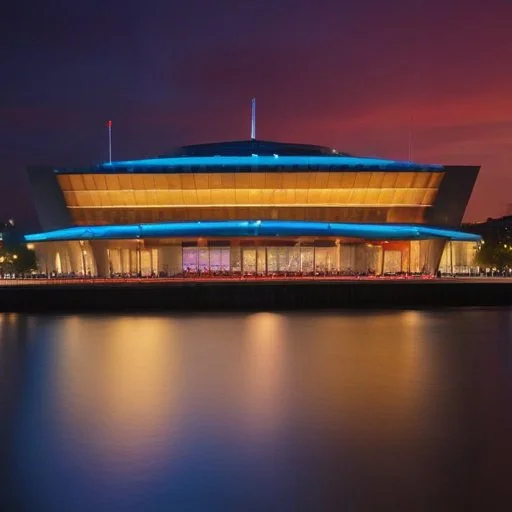
The Festival of Britain was the brainchild of Labour Government's Herbert Morrison, who envisioned an event that would reinvigorate the nation's spirits and promote British achievements in design, science, and the arts. Between May 3 and September 30, 1951, the Festival showcased the best of British innovation, featuring exhibits on everything from modern architecture to cutting-edge technology.
The Royal Festival Hall, designed by architects Robert Matthew, Leslie Martin, and Peter Moro, was an instant icon. Its futuristic design, featuring a bold, curved structure and sweeping lines, became a testament to British architectural innovation. The building's clever use of space and resources also reflected the post-war era's emphasis on functionality and simplicity.
The Royal Festival Hall played host to an array of performances, exhibitions, and events that captivated audiences from across the globe. From classical concerts and ballet performances to modern art exhibitions and scientific demonstrations, the Hall was abuzz with creative energy. Visitors could explore the latest in British design, from furniture to textiles, or marvel at the futuristic architecture of the Skylon and the Dome of Discovery.
The Festival of Britain was as much about the people as it was about the exhibits. With an emphasis on accessibility and inclusivity, the event aimed to bring people together and foster a sense of national pride. From live broadcasts on the BBC to special events for children, the Festival catered to a broad audience, making it a truly inclusive celebration.
Herbert Morrison, the Labour Government's Lord President of the Council, was the driving force behind the Festival. Alongside him, a team of visionaries, including architect Hugh Casson and designer James Gardner, worked tirelessly to bring the event to life. Their collective efforts paid off, as the Festival of Britain attracted over 8 million visitors during its five-month run.
The Festival of Britain's impact extended far beyond its duration. It spurred a new era of British innovation, inspiring generations of architects, designers, and artists. The Royal Festival Hall, now a Grade I listed building, continues to host world-class performances and events, cementing its status as a cultural icon.
The Festival of Britain and the Royal Festival Hall's grand opening marked a turning point in British history, showcasing the nation's resilience and creativity in the face of adversity. Today, this iconic celebration remains an enduring symbol of British innovation and cultural excellence.
The Festival of Britain's impact on British culture was profound, marking a shift towards a more modern and cosmopolitan identity. The event's emphasis on innovation, design, and creativity helped to rebrand Britain as a nation of forward-thinkers, rather than simply as a bastion of traditional values.
This cultural rebirth was particularly evident in the rise of British pop culture in the 1960s, which was heavily influenced by the Festival's emphasis on youth culture and modernity.
The Festival also played a significant role in promoting cultural institutions, such as museums, galleries, and concert halls, as important hubs of cultural activity. Today, these institutions remain a vital part of British cultural life, contributing to the country's rich cultural heritage.

One of the key figures responsible for the Festival of Britain's success was Gerald Barry, the event's Director-General. A former theatre producer and BBC executive, Barry brought a unique blend of creative vision and organizational expertise to the Festival, helping to shape its overall direction and tone.
Barry's leadership style was characterized by his unwavering commitment to innovation and experimentation, as well as his ability to bring together diverse teams of architects, designers, and artists to work towards a common goal.
Through his work on the Festival, Barry helped to establish a new model for cultural programming, one that emphasized collaboration, creativity, and community engagement. This model would go on to influence cultural events and institutions around the world.
The Festival of Britain had a significant impact on the British economy, generating over £8 million in revenue during its five-month run. This injection of capital helped to stimulate economic growth, creating jobs and boosting local businesses.
The Festival also helped to promote British industry, showcasing the nation's manufacturing and design capabilities to a global audience. This helped to increase exports and attract foreign investment, further contributing to Britain's economic recovery.
Tourism was also a major beneficiary of the Festival, with visitor numbers surging by over 50% during the event. This led to a significant increase in revenue for hotels, restaurants, and other tourist-related businesses.

The Festival of Britain took place against a backdrop of global uncertainty, with the Cold War casting a long shadow over international relations. In this context, the Festival's emphasis on British culture, innovation, and optimism was seen as a bold statement of national confidence.
The Festival's international exhibition was a key component of the event, featuring displays from over 50 countries around the world. This helped to foster greater global understanding, as well as promoting British trade and diplomatic relations.
The Festival also played a significant role in strengthening the Commonwealth, with many Commonwealth nations participating in the event and using it as an opportunity to strengthen ties with Britain.
The Festival of Britain showcased a range of cutting-edge technologies, from television and radio broadcasting to early computer systems. These innovations helped to shape the way people experienced and interacted with the Festival, as well as influencing the development of British technology in the years that followed.
The Festival's iconic Skylon structure was also a testament to British engineering expertise, featuring a lightweight yet incredibly strong design that pushed the boundaries of what was thought possible.
The Festival's demonstrations of scientific innovation helped to inspire a new generation of British scientists and engineers, many of whom would go on to make significant contributions to their fields in the years that followed.