


The Mont Blanc Tunnel, a 7-mile underpass beneath the French-Italian border, is infamous for one of the deadliest tunnel fires in history, claiming the lives of 38 people on March 24, 1999.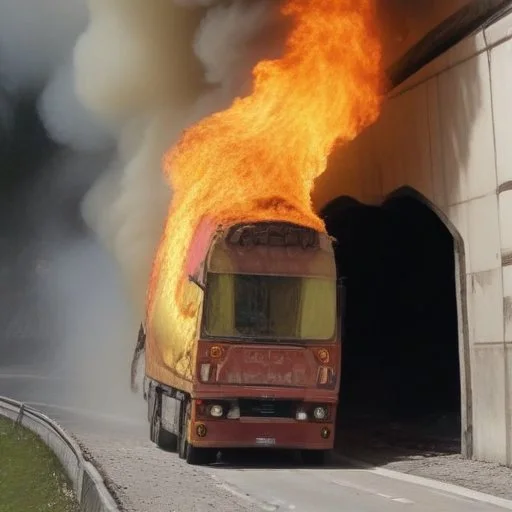
In what was supposed to be a routine drive, a lorry carrying margarine and flour suddenly caught fire, transforming the tunnel into a blazing tomb. The disaster would go on to spark a thorough investigation, exposes weaknesses in the tunnel's safety infrastructure, and leave an indelible mark on the European transportation landscape.
The ill-fated lorry, driven by a Croatian national, was making its way through the tunnel when it suddenly caught fire. The exact cause of the blaze remains unknown to this day, but investigators point to a combination of factors, including faulty brakes, inadequate maintenance, and poor tunnel design.
As the lorry burst into flames, panic set in among motorists. But with the tunnel's escape routes woefully inadequate and communications systems offline, many were left to face the inferno alone. The resulting chaos was catastrophic, with 38 lives lost in the subsequent blaze.
The disaster sent shockwaves across Europe, sparking widespread outrage and grief. Families of the victims, as well as the general public, demanded answers and accountability from authorities. The investigation that followed would reveal a multitude of safety breaches, forcing a thorough overhaul of tunnel safety protocols across the continent.
The tragedy also led to a re-evaluation of emergency response procedures, with a particular focus on communication systems and evacuation protocols. The incident served as a stark reminder of the importance of investing in safety infrastructure, lest such tragedies be repeated.
In the wake of the disaster, the European Union implemented sweeping changes to tunnel safety regulations, including the installation of advanced fire suppression systems, improved ventilation, and enhanced emergency response procedures.
The tragedy also led to the establishment of the European Tunnel Safety Association, a organization dedicated to promoting tunnel safety and best practices across the continent. The incident has since served as a case study for tunnel safety experts, informing policy and protocol for tunnel construction and maintenance.
The Mont Blanc Tunnel disaster will forever be etched in the collective memory of Europe, serving as a poignant reminder of the importance of safety and accountability in transportation infrastructure. As we continue to navigate the complexities of modern transportation, the tragedy stands as a testament to the importance of learning from the past, lest we repeat the mistakes that led to that fateful day in 1999.
The Mont Blanc Tunnel disaster was not an isolated incident. In fact, it was one of several tunnel fires that occurred in the 1990s. A comparative analysis of these incidents reveals some striking similarities. For instance, the 1996 Channel Tunnel fire, which occurred just three years prior to the Mont Blanc disaster, was also caused by a faulty lorry. In both cases, inadequate safety measures and poor emergency response protocols contributed to the severity of the disasters.
However, the Mont Blanc Tunnel disaster was particularly devastating due to its unique circumstances. The tunnel's narrow design and limited escape routes made it difficult for motorists to escape the blaze. In contrast, the Channel Tunnel had multiple escape routes and a more efficient emergency response system, which reduced the number of casualties.
Despite these differences, both incidents highlighted the need for improved tunnel safety regulations. In response to these disasters, the European Union implemented stricter safety standards for tunnels, including the installation of advanced fire suppression systems and improved ventilation.

Goran Miličević, the Croatian lorry driver who was at the wheel when the fire broke out, was hailed as a hero for his bravery during the disaster. Despite being injured in the blaze, Miličević managed to escape the tunnel and alert authorities to the fire.
Miličević's actions undoubtedly saved lives, and he was praised for his quick thinking and bravery. However, the incident also took a toll on him, and he later spoke out about the trauma he experienced in the aftermath of the disaster.
Miličević's story serves as a reminder of the human cost of the disaster and the importance of recognizing the bravery and sacrifice of individuals who risk their lives to save others.
The Mont Blanc Tunnel disaster had significant economic implications for the region. The tunnel is a critical transportation artery, connecting France and Italy, and its closure resulted in losses of millions of euros in trade and commerce.
The disaster also led to a significant increase in insurance premiums for lorry drivers and transport companies, as well as a decline in tourism in the region. The economic impact of the disaster was felt across the continent, highlighting the importance of investing in safety infrastructure to prevent such tragedies.
In the aftermath of the disaster, the European Union provided financial support to the affected regions, and the tunnel was eventually reopened after a comprehensive restoration process.

The Mont Blanc Tunnel disaster led to significant advances in tunnel safety technology. In the aftermath of the disaster, researchers and engineers developed new safety systems, including advanced fire suppression systems and improved ventilation.
These innovations have since been adopted in tunnels across the world, reducing the risk of similar disasters. The incident also spurred the development of more sophisticated emergency response systems, including advanced communication networks and evacuation protocols.
The tragedy highlighted the importance of investing in safety research and development, and its legacy can be seen in the improved safety standards of tunnels today.
The Mont Blanc Tunnel disaster had a profound impact on European culture, highlighting the importance of safety and accountability in transportation infrastructure. The tragedy inspired a renewed focus on safety, leading to changes in public policy and regulation.
The incident also sparked a wider conversation about the human cost of transportation disasters, and the need for greater investment in safety infrastructure. The tragedy has been memorialized in film, literature, and art, serving as a poignant reminder of the importance of learning from the past.
The cultural impact of the Mont Blanc Tunnel disaster continues to resonate today, shaping public attitudes towards safety and accountability in the transportation industry.