


The MV George Prince Ferry disaster is etched in the memories of the people of Louisiana as one of the deadliest maritime accidents in the state's history. On that fateful autumn evening in 1976, the ferry, connecting Luling and Destrehan, was struck by the Norwegian freighter SS Frosta while crossing the Mississippi River in St. Charles Parish, resulting in the loss of 78 precious lives.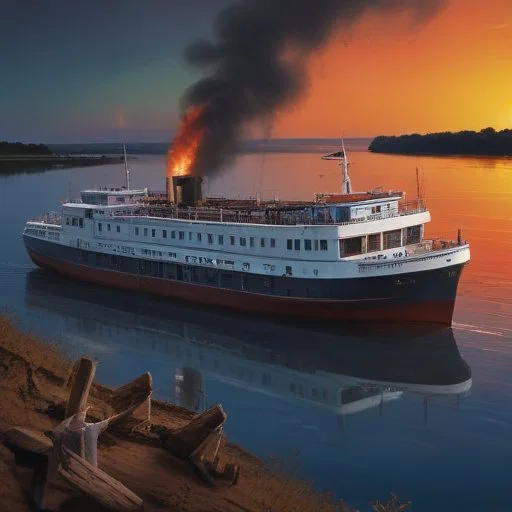
The MV George Prince Ferry was a vital link between the communities of Luling and Destrehan, ferrying vehicles and pedestrians across the Mississippi River. On the evening of October 20, 1976, the ferry was carrying 96 people, including crew members, when it set out on its routine journey. Unbeknownst to the passengers, a perfect storm of human error, mechanical failure, and bad luck was brewing.
The SS Frosta, a Norwegian freighter, was navigating the Mississippi River, its massive frame dwarfing the ferry. The freighter's pilot, distracted by a conversation with another ship, failed to spot the ferry in his path. The ferry's captain, unaware of the impending danger, was struggling to correct a mechanical issue that had caused the vessel to veer off course.
The impact was devastating. The SS Frosta slammed into the MV George Prince Ferry, crushing it like a tin can. The screams of the passengers and crew were drowned out by the sound of crunching metal and shattering glass. Pandemonium erupted as people scrambled to escape the sinking ferry. In the end, only 18 people managed to survive the tragedy, with many of them suffering severe injuries.
The news of the disaster sent shockwaves through the communities of Luling and Destrehan. Families were left to grieve the loss of loved ones, and the survivors were left to grapple with the trauma of that fateful night. The tragedy brought the people of Louisiana together, with people from all walks of life coming forward to offer support and assistance to the affected families.
The investigation into the disaster revealed a catalogue of errors, including human negligence, mechanical failure, and inadequate safety measures. The incident led to a major overhaul of maritime safety regulations, ensuring that such a tragedy would never occur again. The MV George Prince Ferry disaster serves as a poignant reminder of the importance of safety at sea and the need for constant vigilance.
The MV George Prince Ferry disaster has left an indelible mark on the people of Louisiana. It has become a symbol of resilience and community, with the survivors and families of the victims coming together to create a memorial to honor the lives lost. The tragedy has also inspired changes in maritime safety regulations, ensuring that the lives of those who travel by sea are better protected.
The MV George Prince Ferry disaster is a poignant reminder of the power of human error and the importance of safety at sea. As we remember the lives lost on that fateful night, we honor their memories by striving to create a safer, more compassionate world.
The MV George Prince Ferry tragedy had a profound impact on the cultural fabric of Louisiana. The disaster brought the communities of Luling and Destrehan together, fostering a sense of unity and solidarity in the face of tragedy. The tragedy also inspired a wave of commemorative events, including memorial services, fundraisers, and benefit concerts. The ferry disaster became a rallying cry for the people of Louisiana, symbolizing the strength and resilience of the community.
In the years following the tragedy, the MV George Prince Ferry disaster became an integral part of Louisiana's cultural heritage. The incident has been immortalized in literature, music, and art, serving as a cautionary tale about the importance of safety and vigilance. The tragedy has also inspired numerous charitable initiatives, with organizations and individuals coming forward to support the families of the victims.
A lasting legacyThe MV George Prince Ferry disaster has left an indelible mark on the cultural landscape of Louisiana. The tragedy has become a symbol of hope and resilience, inspiring generations to come. As the people of Louisiana continue to honor the memories of the victims, the MV George Prince Ferry disaster remains an important part of the state's cultural identity.
Captain of the MV George Prince Ferry
Captain Warren Watts was a seasoned mariner with over two decades of experience navigating the Mississippi River. A native of Louisiana, Captain Watts was deeply respected by his peers and the communities he served. On the fateful night of October 20, 1976, Captain Watts was at the helm of the MV George Prince Ferry, struggling to correct a mechanical issue that had caused the vessel to veer off course.
Despite his valiant efforts, Captain Watts was unable to avoid the collision with the SS Frosta. Tragically, he lost his life in the disaster, leaving behind a legacy of bravery and dedication to his passengers and crew.
A hero's legacyCaptain Watts' sacrifice has not been forgotten. The people of Louisiana continue to honor his memory, recognizing his courage and selflessness in the face of disaster.
The MV George Prince Ferry disaster had significant economic implications for the state of Louisiana. The tragedy resulted in a substantial loss of revenue, particularly in the transportation and tourism industries.
The disaster prompted a major overhaul of maritime safety regulations, resulting in increased costs for ferry operators and shipping companies. Additionally, the tragedy led to a decline in river traffic, as numerous vessels were forced to suspend operations pending safety inspections and modifications.
A long-term impactThe economic impact of the MV George Prince Ferry disaster was felt for years to come, with the state of Louisiana working to revitalize its maritime industry and restore confidence in its ferry services.
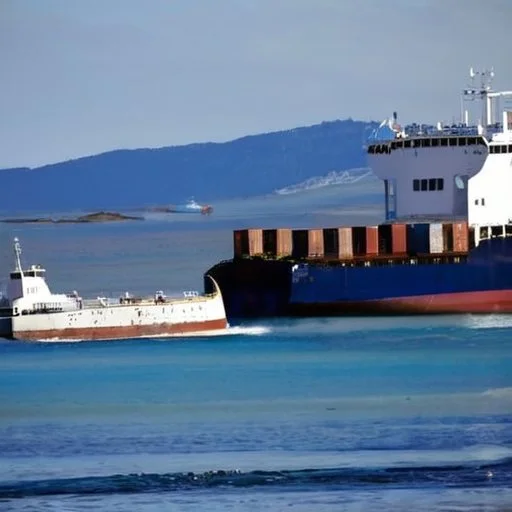
The MV George Prince Ferry disaster highlighted the importance of technological innovation in maritime safety. The tragedy prompted the development of advanced navigation systems, improved communication protocols, and enhanced safety features for ferries and ships.
The incident also led to the implementation of more stringent safety regulations, including mandatory safety drills, regular vessel inspections, and the use of emergency beacons and communication devices.
A safer futureThe technological innovations sparked by the MV George Prince Ferry disaster have saved countless lives and prevented numerous maritime accidents over the years, ensuring a safer future for those who travel by sea.
In the aftermath of the MV George Prince Ferry disaster, a comprehensive investigation was launched to determine the causes of the tragedy. The inquiry revealed a catalogue of errors, including human negligence, mechanical failure, and inadequate safety measures.
The investigation also uncovered a history of safety concerns regarding the ferry, including reports of engine trouble, steering problems, and inadequate crew training. The SS Frosta, the Norwegian freighter involved in the collision, was also found to have been operating with inadequate safety equipment and inadequate pilot training.
A preventable tragedyThe MV George Prince Ferry disaster was a preventable tragedy, highlighting the importance of vigilance, safety protocols, and responsible management in the maritime industry.