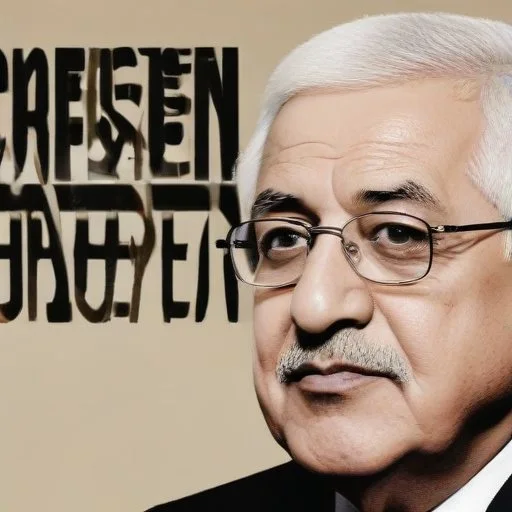
Mahmoud Abbas resigns as Palestinian Prime Minister
Mahmoud Abbas, the moderate Palestinian leader, stunned the world by stepping down as Prime Minister amidst intense power struggles and disagreements with President Yasser Arafat. His resignation marked a critical moment in the tumultuous history of the Palestinian Authority, sparking concerns about the future of the Middle East peace process.
Occurred on: September 6th, 2003

The Shocking Resignation of Mahmoud Abbas: A Turning Point in Palestinian History

Mahmoud Abbas, the moderate Palestinian leader, sent shockwaves throughout the world when he unexpectedly resigned as Prime Minister of the Palestinian Authority in 2003. This dramatic move marked a critical moment in the tumultuous history of the Palestinian Authority, raising concerns about the future of the Middle East peace process.

The Backstory: Power Struggles and Disagreements

The roots of Abbas' resignation can be traced back to the intense power struggles between himself and President Yasser Arafat. As Prime Minister, Abbas sought to reform the Palestinian Authority, streamline its institutions, and revitalize the stalled peace process with Israel. However, Arafat, who had dominated Palestinian politics for decades, resisted these efforts, leading to a bitter rivalry between the two leaders.

A Critical Moment in Palestinian History

Abbas' resignation marked a pivotal moment in Palestinian history, as it exposed the deep-seated divisions within the Palestinian Authority. The event sparked widespread uncertainty about the future of the Middle East peace process, which had been stagnant since the outbreak of the Second Intifada in 2000. The resignation also raised questions about the ability of the Palestinian Authority to govern itself, as well as its commitment to democratic principles.

  • Mahmoud Abbas: The Prime Minister of the Palestinian Authority, known for his moderate stance and efforts to reform the authority.
  • Yasser Arafat: The President of the Palestinian Authority, a dominant figure in Palestinian politics with a long history of resistance against Israel.
  • Ahmed Qurei: The successor to Abbas as Prime Minister, who attempted to bridge the gap between Abbas and Arafat.
  • April 2003: Mahmoud Abbas is appointed Prime Minister of the Palestinian Authority by President Yasser Arafat.
  • September 2003: Abbas resigns as Prime Minister, citing differences with Arafat over governance and the peace process.
  • October 2003: Ahmed Qurei takes over as Prime Minister, attempting to reconcile with Arafat and revive the peace process.

Major Outcomes and Impacts

Abbas' resignation had significant implications for the Palestinian Authority and the Middle East peace process. The event:

  • Exposed deep-seated divisions within the Palestinian Authority, undermining its credibility and stability.
  • Raised concerns about the future of the Middle East peace process, which had been stagnant since the outbreak of the Second Intifada.
  • Paved the way for Hamas' rise to power, as the Islamist movement capitalized on the divisions within the Palestinian Authority.

Cultural and Social Influences

The resignation of Mahmoud Abbas had a profound impact on Palestinian society, highlighting the need for reform and accountability within the Palestinian Authority. The event also underscored the importance of democratic principles and the need for a more inclusive and participatory approach to governance.

Inspirational Stories and Motivations

Mahmoud Abbas' resignation serves as a reminder that even in the face of adversity, leaders must be willing to take a stand and challenge the status quo. His courage in resigning from his position, despite the risks and uncertainties, demonstrates the importance of principle and conviction in leadership.

Impact on Future Events

The resignation of Mahmoud Abbas has had a lasting impact on Palestinian politics and the Middle East peace process. The event paved the way for subsequent developments, including the election of Mahmoud Abbas as President of the Palestinian Authority in 2005 and the ongoing efforts to revive the peace process.

Character Overview

Mahmoud Abbas: A Life of Moderation and Reform

Throughout his career, Mahmoud Abbas has been known for his moderate stance and commitment to reform. Born in 1935 in Safed, Palestine, Abbas grew up in a tumultuous era marked by the Israeli-Palestinian conflict. He became involved in politics at an early age, eventually rising to prominence as a key figure in the Palestinian Liberation Organization (PLO).

Abbas' moderation was shaped by his experiences as a refugee and his involvement in the Palestinian national movement. He played a crucial role in the Oslo Accords, serving as the primary negotiator for the Palestinians. His commitment to peaceful coexistence earned him international recognition, including the Nobel Peace Prize in 1994.

Abbas' Leadership Style

As Prime Minister, Abbas' leadership style was marked by his emphasis on institution-building and democratic governance. He sought to revitalize the Palestinian Authority, streamline its institutions, and promote transparency and accountability.

In-Depth Political Study

Power Struggles and Political Rivalries

The resignation of Mahmoud Abbas marked a critical moment in the power struggle between moderate and hardline factions within the Palestinian Authority. Abbas' decision to step down was largely seen as a result of his inability to implement reforms and revitalize the stalled peace process.

The rivalry between Abbas and Arafat was rooted in their differing visions for the Palestinian Authority. Arafat, who dominated Palestinian politics for decades, resisted Abbas' efforts to reform the authority and promote democratic governance.

The Rise of Hamas

The power vacuum created by Abbas' resignation paved the way for Hamas' rise to power. The Islamist movement capitalized on the divisions within the Palestinian Authority, eventually winning a majority of seats in the 2006 legislative elections.

In-Depth Geopolitical Examination

The Geopolitical Context of Abbas' Resignation

Mahmoud Abbas' resignation occurred against the backdrop of a stagnant Middle East peace process. The outbreak of the Second Intifada in 2000 had created a climate of tension and mistrust, making it increasingly difficult to revive peace talks.

The international community, led by the Quartet on the Middle East (the United States, European Union, United Nations, and Russia), had been pushing for reforms within the Palestinian Authority. Abbas' resignation was seen as a setback for these efforts, underscoring the need for a more concerted approach to resolving the Israeli-Palestinian conflict.

The Role of the International Community

The reaction of the international community to Abbas' resignation was marked by concern and uncertainty. The United States, in particular, was keen to see reforms implemented within the Palestinian Authority, and Abbas' departure was seen as a blow to these efforts.

Cultural Significance Study

The Cultural Significance of Abbas' Resignation

Mahmoud Abbas' resignation had a profound impact on Palestinian society, highlighting the need for reform and accountability within the Palestinian Authority. The event underscored the importance of democratic principles and the need for a more inclusive and participatory approach to governance.

The resignation also sparked widespread debate about the role of leaders in promoting positive change. Abbas' decision to stand down was seen as a testament to his commitment to principle and his willingness to challenge the status quo.

The Importance of Accountability

The event highlighted the need for accountability within the Palestinian Authority, underscoring the importance of transparency and good governance. Abbas' resignation served as a reminder that leaders must be held accountable for their actions and that the needs of the people must be prioritized.

In-Depth Historical Perspectives

Historiographical Perspectives on Abbas' Resignation

Mahmoud Abbas' resignation has been the subject of much debate among historians and scholars. Some have viewed the event as a turning point in the history of the Palestinian Authority, marking a critical moment in the struggle for reform and accountability.

Others have seen Abbas' resignation as a reflection of the deeper structural problems within the Palestinian Authority, including the dominance of Yasser Arafat and the lack of institutional reform.

Reevaluating the Role of Leadership

The event has led scholars to reevaluate the role of leadership in promoting positive change. Abbas' decision to resign was seen as a bold move, challenging the traditional power structures within the Palestinian Authority and highlighting the need for a more inclusive and participatory approach to governance.