


The Mandate for Syria and Lebanon, a landmark event in modern history, marked the dawn of a new era of governance in the region. On September 29, 1923, the French officially took the reins as the administrative authority, as granted by the League of Nations, shaping the destiny of these ancient territories.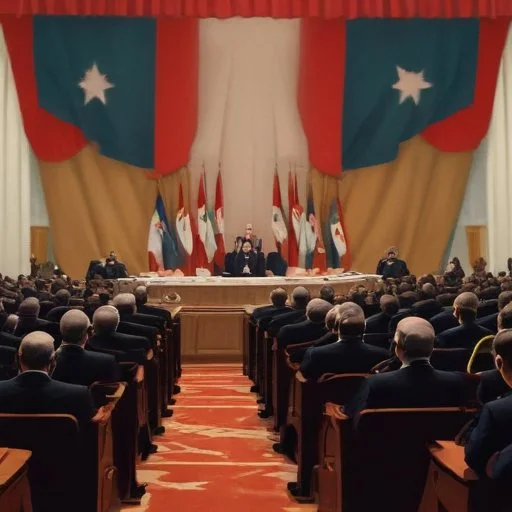
The aftermath of World War I had left the Ottoman Empire in shambles, and the allied powers were eager to redefine the regional landscape. The secret Sykes-Picot Agreement of 1916 had already divided the territories into zones of influence, with the French and British vying for control. The Mandate system, established by the League of Nations, aimed to provide a transitional period of governance until the territories could govern themselves.
Among the key figures involved in the Mandate for Syria and Lebanon were:
The following milestones marked the trajectory of the Mandate for Syria and Lebanon:
The Mandate for Syria and Lebanon had far-reaching consequences, including:
The Mandate period saw a complex interplay of cultural and social forces, as French influence permeated the region:
The Mandate for Syria and Lebanon, though marked by controversy and upheaval, laid the groundwork for the modern nation-states that exist today. As we reflect on this pivotal moment in history, we are reminded of the complex interplay of global politics, cultural identity, and human aspiration that has shaped the region over the centuries.
As the French writer and philosopher, André Gide, once said, "The most important thing in life is to stop saying 'I wish' and start saying 'I will'." The people of Syria and Lebanon, in the face of adversity, have consistently shown the courage to will their own destiny, forging a path that continues to inspire and challenge us to this day.
The Mandate period also saw a significant influx of French artists, writers, and intellectuals who were drawn to the region's rich cultural heritage. This cultural exchange had a profound impact on the development of Syrian and Lebanese art, literature, and music.
Syrian and Lebanese artists, such as Omar Onsi and Mohammed Al-Ghazali, began to incorporate Western techniques and styles into their work, creating a unique blend of traditional and modern art forms. This fusion of cultural influences can be seen in the architecture, music, and literature of the region, which continues to inspire artists and intellectuals to this day.
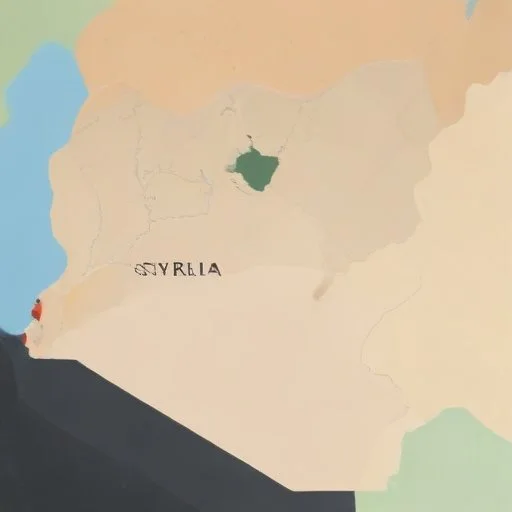
Faisal I, the Hashemite king of Syria, played a crucial role in the early years of the Mandate period. Born in 1885, Faisal was a member of the Hashemite dynasty, which had long been rivals of the Ottoman Empire.
Faisal's brief tenure as king of Syria was marked by his attempts to assert Arab independence and unity, but he was ultimately forced to flee the country after the French occupation.
Despite his tragic defeat, Faisal's legacy as a champion of Arab nationalism continued to inspire generations of Syrian and Lebanese leaders.
The Mandate period was marked by a series of uprisings and rebellions against French rule, including the Great Syrian Revolt of 1925. Led by Syrian nationalist groups, the revolt was sparked by French attempts to impose mandatory conscription on the Syrian population.
The revolt was brutally suppressed by the French, who used airpower and artillery to quell the uprising. Despite the failure of the revolt, it marked a significant turning point in the struggle for Syrian independence.
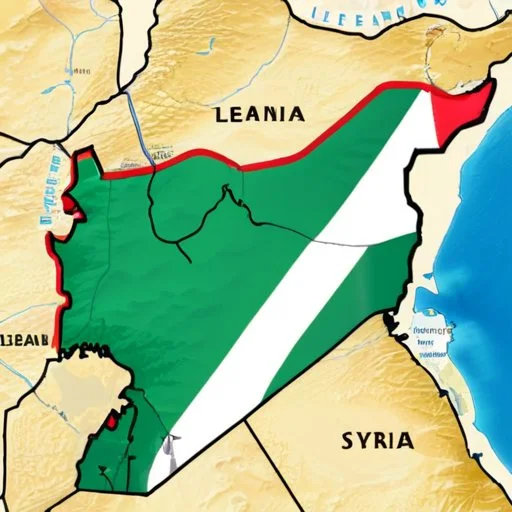
The Mandate period saw significant economic development in Syria and Lebanon, as the French invested heavily in infrastructure and industry.
The construction of the Tripoli-Beirut-Damascus railway, for example, facilitated trade and commerce between the three cities, stimulating economic growth in the region.
The French also established a number of large-scale agricultural and industrial projects, including cotton and tobacco plantations, as well as textile mills and refineries.
The Mandate for Syria and Lebanon was shaped by the broader geopolitical context of the post-World War I era. The Treaty of Sèvres, signed in 1920, had already carved up the Ottoman Empire into zones of influence, with France and Britain vying for control of the region.
The League of Nations, established in the aftermath of the war, provided a framework for the Mandate system, which aimed to provide a transitional period of governance until the territories could govern themselves.
The Mandate period marked a significant shift in the global balance of power, as the European powers sought to expand their influence in the Middle East.