


On November 7, 1990, Mary Robinson made history by becoming the first woman to be elected President of the Republic of Ireland, marking a significant milestone in the country's political landscape. This groundbreaking achievement not only paved the way for future generations of women in politics but also signaled a shift towards a more inclusive and progressive Ireland.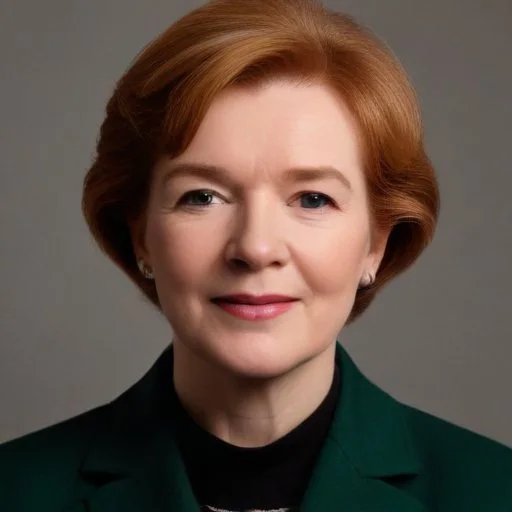
Before taking office, Mary Robinson was a renowned lawyer and human rights activist, known for her tireless advocacy for social justice and women's rights. Her commitment to these causes earned her a reputation as a passionate and dedicated champion of the marginalized and oppressed.
The 1990 presidential election was a closely contested race, with Robinson running against two male candidates. Despite being the underdog, she campaigned tirelessly, leveraging her grassroots support and emphasizing her commitment to social justice and human rights. Her message resonated with the Irish people, who ultimately chose her as their first female president.
Robinson's presidency was marked by several historic firsts. She was the first president to prioritized human rights and social justice, using her platform to raise awareness about pressing issues such as poverty, inequality, and discrimination. She was also the first president to openly engage with the LGBTQ+ community, sparking a national conversation about equality and acceptance.
Mary Robinson's presidency was a beacon of hope for a more equitable society, inspiring countless individuals to work towards creating a more just and inclusive world. Her legacy extends far beyond her time in office, with her advocacy and activism continuing to inspire and motivate people around the world.
"Human rights are women's rights, and women's rights are human rights."
Mary Robinson's contributions to human rights and social justice have been recognized globally, earning her numerous awards and honors, including the Presidential Medal of Freedom, the Indira Gandhi Prize, and the Sydney Peace Prize.
In her autobiography, Robinson reflects on the challenges she faced as a trailblazing female politician, including sexism and misogyny. Despite these obstacles, she remained committed to her values, using her platform to uplift and empower others.
Mary Robinson's presidency has had a lasting impact on Irish politics, paving the way for future generations of women in leadership positions. Her advocacy for human rights and social justice has inspired a new wave of activists and policymakers, shaping the country's approach to pressing global issues.
Mary Robinson's early life and education laid the foundation for her future success. Born on May 21, 1944, in Ballina, County Mayo, Ireland, she was raised in a family that valued education and social justice. Robinson pursued a degree in law from Trinity College Dublin and later earned a master's degree from Harvard Law School. These academic achievements, combined with her natural leadership skills, equipped her to take on the challenges of a presidential campaign.
Her personal life, including her marriage to Nicholas Robinson and their three children, also played a significant role in shaping her worldview and informing her policy decisions as president.
A strong sense of empathy and compassion, developed through her experiences as a lawyer and human rights activist, helped her connect with the Irish people and inspire a nation.

The 1990 presidential election in Ireland was a pivotal moment in the country's political history. Mary Robinson's victory marked a significant shift in the country's political landscape, as she became the first woman to hold the office of president.
Her campaign's focus on human rights, social justice, and women's empowerment resonated with the Irish people, who were seeking a more progressive and inclusive leader. Robinson's presidency paved the way for future generations of women in politics, demonstrating that a woman could hold the highest office in the land.
Her presidency also marked a turning point in Ireland's foreign policy, as she prioritized international cooperation and diplomacy, strengthening the country's relationships with other nations.
The geopolitical context of Mary Robinson's presidency was marked by significant global events, including the end of the Cold War and the dissolution of the Soviet Union. This shifting landscape presented opportunities for Ireland to re-evaluate its relationships with other nations and assert its role as a leader in international affairs.
Robinson's presidency coincided with a period of rapid globalization, which brought new challenges and opportunities for Ireland's economy and society. Her administration navigated these changes, leveraging Ireland's unique position in the European Union to promote economic growth and social progress.

Mary Robinson's presidency had a profound impact on Irish culture, as she used her platform to promote a more inclusive and diverse society. Her support for the LGBTQ+ community, in particular, helped to shift public opinion and pave the way for future social reforms.
Her presidency also sparked a renewed interest in Irish arts and culture, as she encouraged the development of cultural institutions and programs that celebrated the country's rich heritage.
Robinson's commitment to social justice and human rights inspired a new generation of Irish artists, musicians, and writers, who saw her as a beacon of hope for a more progressive and egalitarian society.
Mary Robinson's presidency had a significant impact on Ireland's economy, as she prioritized policies that promoted social justice and equality. Her administration's focus on gender equality, in particular, led to increased economic opportunities for women and contributed to a more diverse and inclusive workforce.
Robinson's presidency also saw significant investments in education and healthcare, which helped to drive economic growth and reduce poverty. Her administration's commitment to social welfare programs and services ensured that the benefits of economic growth were shared equitably across Irish society.