


The city of Tabriz, steeped in history and culture, was left shattered and torn apart by a massive earthquake that struck on April 26, 1721. This cataclysmic event, which would come to be known as one of the most devastating in the region's history, razed the city to the ground, leaving destruction and despair in its wake.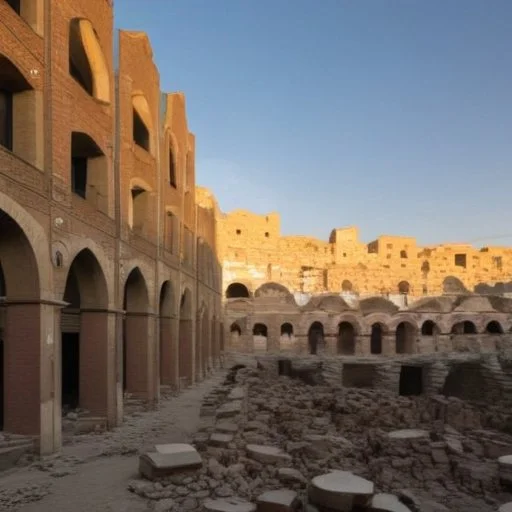
Tabriz, a major commercial center and cultural hub, was renowned for its stunning architecture, vibrant bazaars, and rich cultural heritage. The city was a melting pot of Persian, Armenian, and Turkish influences, making it a unique and fascinating place. The earthquake, however, reduced much of this cultural richness to rubble, leaving the city's inhabitants to pick up the pieces.
The earthquake, which is estimated to have had a magnitude of around 7.7 on the Richter scale, was felt across the region, causing widespread panic and destruction. The tremors were so violent that they shattered the city's foundations, bringing down buildings, homes, and historic landmarks. Eyewitness accounts describe the earth splitting open, spewing forth flames and smoke, and the sound of crashing buildings and screams of terror.
The human toll of the earthquake was staggering. Estimates suggest that between 80,000 to 200,000 people lost their lives, with many more injured and left homeless. The city's inhabitants were left to face the daunting task of rebuilding their lives, their city, and their communities.
In the aftermath of the earthquake, the city's leaders and inhabitants came together to rebuild and recover. The city was slowly reconstituted, with new buildings and infrastructure rising from the ashes of the old. The earthquake, however, left a lasting impact on the city's psyche, and its people were forever changed by the experience.
The earthquake of Tabriz served as a stark reminder of the importance of disaster preparedness and mitigation. It led to significant changes in the way buildings were constructed, with a greater emphasis on earthquake-resistant design and construction techniques. The disaster also underscored the need for disaster planning and emergency response systems, which would go on to save countless lives in the years to come.
The earthquake of Tabriz may have destroyed the city, but it also left a lasting legacy. The city's resilience and determination in the face of disaster inspired generations to come. Today, the city of Tabriz stands as a testament to the power of human spirit, a beacon of hope and renewal in the face of adversity.
"Out of the rubble, we rise. From the ashes, we rebuild. The earthquake of Tabriz may have shattered our city, but it will never break our spirit." A Tabriz-native, anonymous
The earthquake of Tabriz was not an isolated event, but rather part of a series of devastating seismic activities that had been plaguing the region for centuries. In the years leading up to the disaster, the city had experienced numerous tremors and earthquakes, which had weakened its infrastructure and left its inhabitants on edge. Despite these warning signs, the city's authorities and residents were unprepared for the magnitude of the disaster that was to come.
In the aftermath of the earthquake, the city's leaders were forced to confront the reality of their city's vulnerability to natural disasters. The disaster led to a major overhaul of the city's infrastructure, with a focus on building earthquake-resistant structures and implementing early warning systems. This newfound awareness of the importance of disaster preparedness would have far-reaching consequences, influencing the development of cities across the region in the decades to come.
Ottoman Sultan Ahmed III played a crucial role in the relief efforts following the earthquake. The Sultan, who was known for his piety and generosity, was deeply moved by the tragedy and ordered his officials to provide aid to the affected region. He dispatched troops and engineers to Tabriz to assist in the rebuilding efforts, and provided financial support to the city's residents.
The Sultan's response to the disaster was seen as a testament to his leadership and compassion, and helped to solidify his reputation as a just and benevolent ruler. His actions also served to strengthen ties between the Ottoman Empire and the city of Tabriz, which would go on to play an important role in regional politics in the years to come.
The earthquake of Tabriz had a profound impact on the city's cultural heritage, with many of its historic landmarks and artifacts destroyed or irreparably damaged. The city's famous Blue Mosque, which had been built in the 15th century, was reduced to rubble, along with many other important cultural institutions.
Despite this loss, the city's cultural heritage was not entirely extinguished. In the years that followed, the city's artisans and craftsmen worked tirelessly to rebuild and restore the city's cultural treasures. This effort helped to preserve the city's unique cultural identity, and ensured that the city's rich heritage would continue to thrive for generations to come.
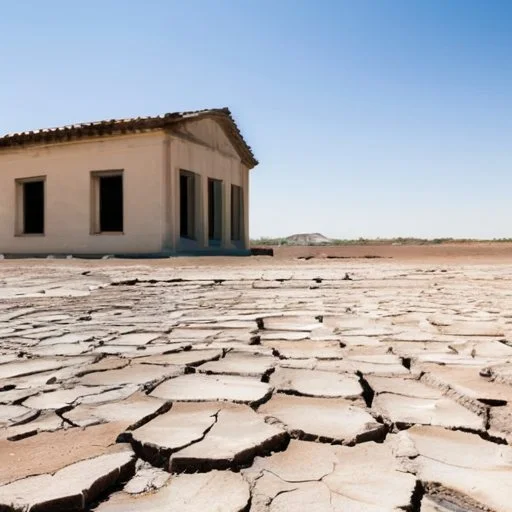
The earthquake of Tabriz had a devastating impact on the city's economy, with trade and commerce grinding to a halt in the aftermath of the disaster. The city's merchants and traders, who had long been the backbone of the local economy, were among the hardest hit, with many losing their livelihoods and their homes.
However, the disaster also presented opportunities for growth and development. The rebuilding efforts brought new investment and jobs to the city, and the city's entrepreneurs were quick to capitalize on the demand for goods and services. As the city slowly began to recover, its economy began to flourish once more, stronger and more resilient than ever before.
The earthquake of Tabriz took place against the backdrop of a tumultuous geopolitical landscape. The region was wracked by conflict and instability, with the Ottoman Empire, the Safavid Empire, and the Russian Empire all vying for power and influence.
In this context, the disaster was seen as a major blow to the Safavid Empire, which had long been the dominant power in the region. The earthquake weakened the empire's grip on power, and created opportunities for its rivals to gain the upper hand. As the city of Tabriz slowly began to rebuild, it found itself at the center of a complex web of alliances and rivalries that would shape the course of regional politics for centuries to come.