


Known for being one of the most devastating winter storms in recent history, the 1998 Ice Storm was a six-day onslaught of freezing rain and heavy snowfall that brought Eastern Canada and the northeastern United States to a grinding halt. From January 5 to January 10, the storm's relentless grip dumped over an inch of ice on everything in its path, crippling transportation, power grids, and daily life as a whole.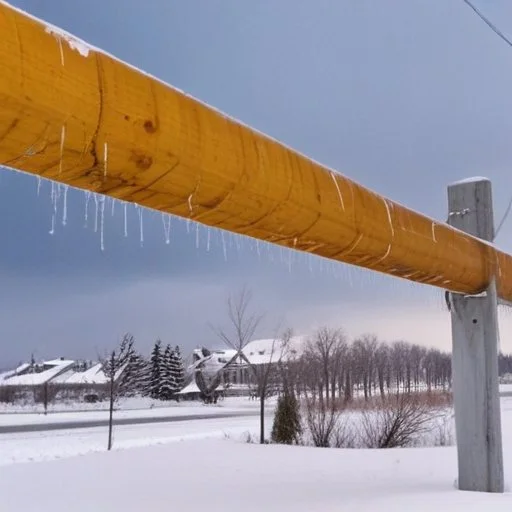
A rare combination of cold air from the Arctic, warm air from the Gulf of Mexico, and a low-pressure system from the Atlantic created the perfect recipe for disaster. As the warm air rose over the cold air, it cooled, causing the water vapor to freeze into tiny ice crystals that eventually accumulated on surfaces, weighing them down and causing widespread damage.
Cities like Montreal, Ottawa, and Boston were among the hardest hit, with millions left shivering in the dark. The ice-coated power lines snapped, leaving over 3 million people without electricity, and many more without access to basic necessities like food and water.
The day after the storm passed, the true extent of the damage became clear. Stranded travelers filled shelters, ruined crops lay frozen in the fields, and a staggering death toll mounted. The Canadian government declared a state of emergency, and the US Federal Emergency Management Agency (FEMA) provided aid to the affected regions.
I still remember the sound of branches snapping outside our Montreal home, like fireworks on a cold winter night. My siblings and I huddled around the fireplace, listening to my parents' stories of resilience and community as they recounted the efforts of our neighbors to clear roads and restore power. It was a time of uncertainty, but also of togetherness and kindness.
The 1998 Ice Storm served as a wake-up call for governments, emergency responders, and citizens alike. It highlighted the importance of preparedness, infrastructure, and community in the face of natural disasters. The storm also led to significant advancements in weather forecasting, emergency response planning, and disaster mitigation strategies.
Twenty years on, the 1998 Ice Storm remains a powerful reminder of nature's fury and humanity's resilience. As we look back on this devastating event, we honor the memories of those affected and recognize the importance of continuing to learn from and prepare for the unpredictable forces of nature.
The 1998 Ice Storm had a devastating impact on the economy of Eastern Canada and the northeastern United States. The estimated damage was over $5 billion, making it one of the costliest natural disasters in Canadian history.
The storm disrupted supply chains, causing shortages of food, medicine, and other essential goods. The agriculture industry was particularly hard hit, with millions of dollars' worth of crops destroyed.
In the aftermath of the storm, the Canadian government and private companies invested heavily in infrastructure upgrades, including the installation of more robust power grids and better winterization of transportation systems.
The storm also led to changes in the way insurance companies approached natural disaster coverage, with many introducing new policies and premiums to reflect the increased risk of severe weather events.

The 1998 Ice Storm was a pivotal moment in Canadian cultural history, as it brought communities together and forged a sense of resilience and resourcefulness.
The storm inspired a wave of creative works, including music, art, and literature, as Canadians sought to process and reflect on the experience.
The storm also had a lasting impact on Canadian folklore, with stories of bravery, kindness, and community spirit becoming an integral part of the country's narrative.
Today, the 1998 Ice Storm is remembered as a testament to the strength and solidarity of the Canadian people, and its legacy continues to inspire and inform national identity.
The 1998 Ice Storm generated a wealth of archival materials, including photographs, videos, and personal accounts.
The Library and Archives Canada holds a vast collection of documents, including government reports, news articles, and personal diaries, which provide a unique window into the experiences of those affected by the storm.
The Canadian Museum of History also houses a significant collection of artifacts, including photographs, clothing, and personal items, which tell the story of the storm and its impact on Canadian society.

The 1998 Ice Storm had a significant impact on the environment, with millions of trees destroyed or damaged, and entire ecosystems disrupted. The weight of the ice caused widespread damage to forests, with many trees snapped or uprooted, leading to long-term changes to the landscape. The storm also had a profound impact on wildlife, with many species forced to adapt to the extreme weather conditions or relocate. In the aftermath of the storm, environmental groups and governments worked together to implement sustainable forestry practices and mitigate the risk of future environmental disasters.
The 1998 Ice Storm was a watershed moment for weather forecasting technology, highlighting the need for more accurate and reliable prediction models.
In the aftermath of the storm, significant investments were made in weather forecasting infrastructure, including the development of new radar systems and computer models.
The storm also accelerated the development of emergency response technologies, including satellite imaging and real-time data analytics.
Today, these advancements have improved our ability to predict and prepare for severe weather events, saving lives and reducing the economic impact of natural disasters.