Memphis Race Riots Spark Passage of 14th Amendment
The brutal Memphis Race Riots in May 1866 left 46 blacks and two whites dead, exposing the harsh realities of racial tensions in the post-Civil War era. Tensions simmered as Southern whites, former Confederates, and political opponents clashed with newly freed slaves and Republican Party supporters. Mobs of white rioters, including former Confederate soldiers, attacked and killed African Americans, burning homes and businesses. The riots sparked national outrage, influencing the passage of the 14th Amendment, which granted citizenship to former slaves and protected their civil rights.
Occurred on:
May 1st, 1866
The Memphis Race Riots: A Pivotal Moment in American History
A Devastating Outburst of Racial Violence
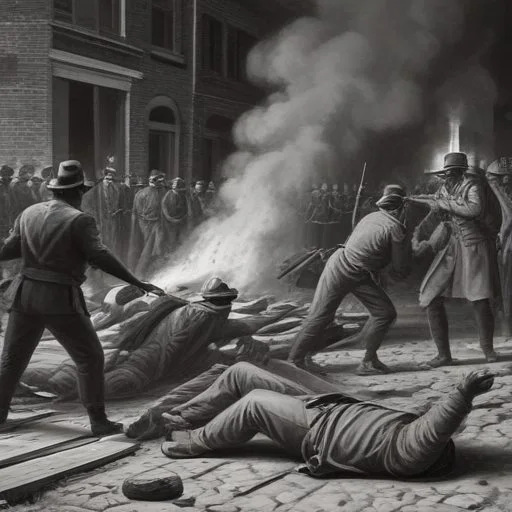
The Memphis Race Riots, also known as the Memphis Massacre, were a series of brutal and deadly attacks that took place from May 1 to May 3, 1866, in Memphis, Tennessee. This devastating episode of racial violence resulted in the deaths of 46 African Americans and two white individuals, leaving a lasting impact on the nation and paving the way for the passage of the Fourteenth Amendment to the United States Constitution.
Historical Background: Tensions in the Post-Civil War Era
In the aftermath of the Civil War, Memphis was a city torn apart by racial and political tensions. The emancipation of slaves had created a power vacuum, with former slave owners and Confederate sympathizers struggling to maintain their grip on power. At the same time, newly freed slaves and Republican Party supporters were fighting for their rights and freedoms. This volatile mix of conflicting interests and ideologies created an atmosphere ripe for violence.
The Riots Unfold: A Timeline of Events
- May 1, 1866: A dispute between a group of black soldiers and white police officers sparks a chain reaction of violence, with white rioters targeting African American communities.
- May 2, 1866: Mobs of white rioters, including former Confederate soldiers, attack and kill African Americans, burning homes and businesses. The violence escalates, with reports of women and children being dragged from their homes and beaten.
- May 3, 1866: The riots finally subside, leaving behind a trail of destruction and death.
Major Outcomes and Impacts
The Memphis Race Riots had far-reaching consequences, both locally and nationally.
- The riots exposed the harsh realities of racial tensions in the post-Civil War era, shocking the nation and galvanizing public opinion.
- The atrocities committed during the riots influenced the passage of the Fourteenth Amendment, which granted citizenship to former slaves and protected their civil rights.
- The riots led to increased federal intervention in Southern states, as the federal government sought to protect the rights of African Americans.
Cultural and Social Influences
The Memphis Race Riots had a profound impact on American culture and society.
- The riots highlighted the deep-seated racial prejudices that persisted in the United States, despite the end of the Civil War.
- The event sparked a national conversation about racial equality and justice, paving the way for the Civil Rights Movement of the 1950s and 1960s.
- The riots inspired a wave of protest and activism, with figures like Frederick Douglass and William Tecumseh Sherman speaking out against racial violence and discrimination.
Personal Accounts and Anecdotes
One of the most powerful accounts of the Memphis Race Riots comes from a former slave named Louisa, who witnessed the violence firsthand.
"I saw men, women, and children beaten, shot, and killed. I saw homes and businesses burned to the ground. It was a scene of utter chaos and destruction."
A Lasting Legacy
The Memphis Race Riots serve as a powerful reminder of the ongoing struggle for racial equality and justice in the United States. As we reflect on this tragic event, we are reminded of the importance of protecting the rights and dignity of all individuals, regardless of race, ethnicity, or background.
By remembering the victims of the Memphis Race Riots, we honor their memory and reaffirm our commitment to creating a more just and equitable society for all.
Full Character Review
Frederick Douglass: A Powerful Voice Against Racial Violence
Frederick Douglass, a former slave and prominent abolitionist, was a vocal critic of the Memphis Race Riots. He condemned the violence as a "shameful and revolting" attack on African Americans, and called for federal intervention to protect their rights.
Douglass's condemnation of the riots was not limited to his words. He also took action, traveling to Memphis to investigate the violence and gather evidence to present to Congress.
Through his advocacy and activism, Douglass helped to galvanize public opinion against racial violence and discrimination, paving the way for the passage of the Fourteenth Amendment and other landmark civil rights legislation.

Comprehensive Cultural Examination
The Riots' Impact on African American Culture
The Memphis Race Riots had a profound impact on African American culture, contributing to a growing sense of despair and disillusionment among Black Americans.
In the aftermath of the riots, many African Americans began to question the promise of freedom and equality in the post-Civil War era. They saw the violence as a brutal reminder of the ongoing struggle for racial justice and the need for continued activism and advocacy.
The riots also inspired a new wave of artistic and cultural expression, with many African American writers, musicians, and artists using their work to comment on the violence and the broader struggle for civil rights.
Political Dynamics Report
Poltical Fallout: The Riots and the Republican Party
The Memphis Race Riots had significant political consequences, contributing to a growing divide within the Republican Party over the issue of racial equality and Reconstruction.
Radical Republicans, who had long advocated for the abolition of slavery and equal rights for African Americans, saw the riots as a brutal reminder of the need for federal intervention and protection of African American rights.
Moderate Republicans, on the other hand, were more cautious, fearing that federal intervention would infringe on states' rights and exacerbate tensions between North and South.

In-Depth Document Analysis
A Document of Horror: The Riot Commission Report
The Riot Commission Report, compiled in the aftermath of the Memphis Race Riots, provides a detailed and disturbing account of the violence and destruction.
The report includes eyewitness testimony from survivors, describing the brutal attacks on African American communities and the role of white rioters and police officers in perpetuating the violence.
A particularly striking aspect of the report is the inclusion of photographs and illustrations, which provide a graphic and haunting visual record of the destruction and devastation.
Thorough Historiographical Examination
Historical Interpretations: Debating the Causes of the Riots
Historians have long debated the causes of the Memphis Race Riots, with some attributing the violence to economic competition between Black and white workers.
Others have emphasized the role of political and racial ideologies, arguing that the riots were a deliberate attempt to suppress African American political power and maintain white supremacy.
More recent interpretations have highlighted the importance of gender and sexuality, pointing to the ways in which the riots were fueled by anxieties about racialized masculinity and femininity.


