


Mexico's entry into the Second World War in 1942 marked a significant turning point in the country's history, solidifying its alliance with the United States and cementing its position as a major player in international affairs. The declaration of war against the Axis powers was a bold move, prompted by Germany's sinking of two Mexican oil tankers, the Potrero del Llano and the Faja de Oro, in the Gulf of Mexico.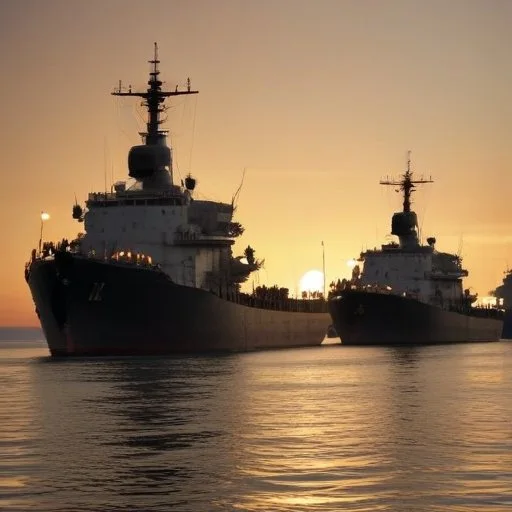
Despite its proximity to the United States, Mexico maintained a delicate balance between its northern neighbor and the Axis powers in the early years of the war. President Manuel Ávila Camacho, who assumed office in 1940, sought to maintain Mexico's neutrality, while also strengthening ties with the United States.
The decision to declare war on the Axis powers was not taken lightly. President Ávila Camacho, along with his Council of War, comprised of prominent military leaders and politicians, carefully weighed the risks and benefits of entering the conflict.
The sinking of the two Mexican oil tankers by German U-boats in the Gulf of Mexico on May 13 and 20, 1942, respectively, marked a turning point in Mexico's relations with the Axis powers. The attacks, which resulted in the deaths of 13 Mexican nationals, outraged the Mexican public and pushed the government towards declaring war.
The 201st Fighter Squadron, known as the Aztec Eagles, played a crucial role in the Allied war effort, conducting bombing missions and providing air support to ground troops in the Pacific. The squadron's bravery and skill earned them the respect and admiration of their American counterparts.
The war effort was not limited to the military front. Mexicans on the home front mobilized to support the war effort, with women playing a significant role in the production of military uniforms and equipment.
The Mexican government awarded the Aztec Eagles the Medal of Military Merit, acknowledging their bravery and sacrifice in the war. The squadron's commander, Colonel Ángel Bocanegra, was also awarded the Distinguished Service Cross by the United States government.
The decision to declare war on the Axis powers was not without controversy. Some Mexicans opposed the war, citing concerns about the country's economic and military preparedness. However, the majority of the population rallied behind the government, seeing the war effort as a necessary step to defend Mexican sovereignty and independence.
Mexico's entry into the Second World War marked a significant shift in the country's foreign policy, cementing its alliance with the United States and paving the way for Mexico's emergence as a major player in international affairs.
In conclusion, Mexico's entry into the Second World War was a pivotal moment in the country's history, demonstrating its commitment to defending its sovereignty and promoting democracy and freedom worldwide.
The Mexican government's decision to declare war on the Axis powers was not taken lightly. Behind the scenes, a complex web of diplomatic efforts and strategic calculations had been unfolding. In the months leading up to the declaration of war, Mexican diplomats had been working tirelessly to negotiate with the United States, seeking to ensure that Mexico's sovereignty was respected and its interests protected.
In a confidential meeting with the American ambassador to Mexico, President Ávila Camacho stressed the need for a united front against the Axis powers, emphasizing Mexico's commitment to defending its independence and territorial integrity.

Colonel Ángel Bocanegra: A Leader of Valor
Colonel Ángel Bocanegra, commander of the 201st Fighter Squadron, was a decorated war hero and a symbol of Mexican bravery. His exceptional leadership skills and tactical genius earned him the respect and admiration of his American counterparts.
The war effort had a profound impact on Mexican culture, as the country mobilized to support the war effort. Corridos, traditional Mexican ballads, were composed to honor the Aztec Eagles and the country's brave soldiers fighting on the front lines.
Women played a crucial role in the war effort, taking on new responsibilities in the workforce and contributing to the production of military uniforms and equipment.
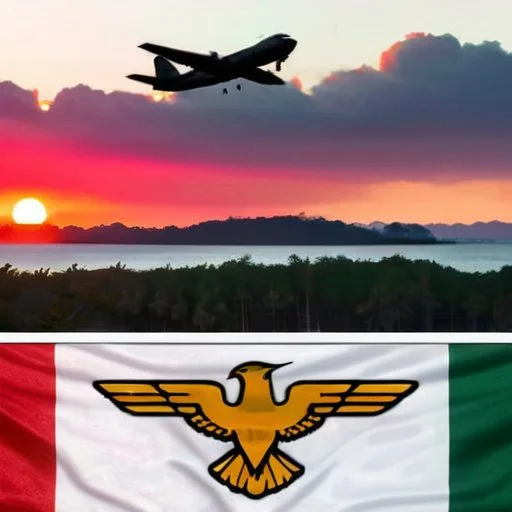
The decision to declare war on the Axis powers marked a significant shift in Mexico's foreign policy, cementing its alliance with the United States and paving the way for Mexico's emergence as a major player in international affairs.
This new era of cooperation was solidified through the creation of the Mexico-US Commission for Economic Cooperation, which aimed to strengthen economic ties between the two nations.
The war effort had a profound impact on Mexico's economy, as the country became a key supplier of strategic materials to the Allied powers. Mexico's oil exports played a critical role in fueling the war effort, and the country's agricultural sector also benefited from increased demand for foodstuffs.