


In a groundbreaking move, Moldova's Supreme Soviet voted to sever its ties with the Soviet Union on August 27, 1991, shattering the shackles of centuries-long foreign rule. This momentous decision marked the dawn of a new era for the tiny nation, nestled between Romania and Ukraine, as it embarked on a journey to reclaim its identity and write its own history.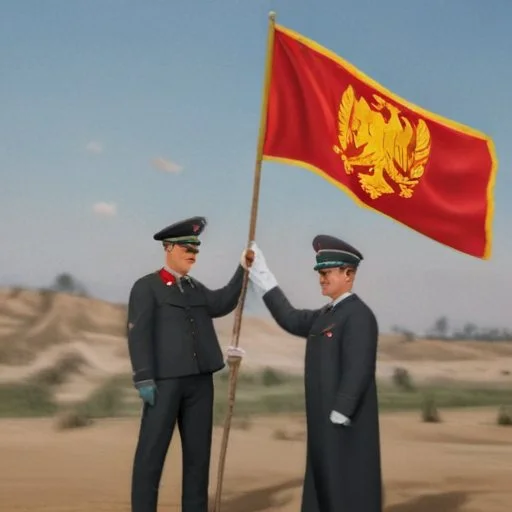
Since the 14th century, Moldova had been trapped in a cycle of foreign domination, with various empires and powers vying for control. The Soviet Union's annexation of Moldova in 1940 was the latest chapter in this saga. But as the Soviet Union's grip began to loosen, Moldova saw an opportunity to break free and forge its own path.
The winds of change began to blow in the late 1980s, as the Soviet Union's glasnost and perestroika policies created an atmosphere conducive to dissent. In Moldova, a burgeoning national movement began to take shape, with demands for greater autonomy and eventual independence growing louder. The Moldovan language and culture, which had been suppressed for decades, were revitalized, and nationalist sentiment reached a fever pitch.
On August 27, 1991, the Moldovan Supreme Soviet convened in Chișinău, the capital city, to decide the nation's fate. After hours of intense debate, the deputies voted overwhelmingly in favor of independence, with 278 votes in favor and only 4 against. The audience erupted in jubilation as the results were announced, and Moldova's independence was officially declared.
The declaration of independence had a profound impact on Moldovan culture and society. The event sparked a resurgence of national pride, and efforts to preserve and promote Moldovan language, literature, and art gained momentum. The country also saw a shift towards democracy and pluralism, as the government began to implement reforms aimed at fostering a more open and inclusive society.
"I remember the day like it was yesterday," recalls Natalia Gherman, a Chișinău resident who attended the Supreme Soviet's session. "The atmosphere was electric, and when the results were announced, we all hugged each other and cried tears of joy. It was a moment of pure euphoria."
As Moldova looks to the future, there are high hopes for continued economic growth, deepening integration with European institutions, and a stronger sense of national identity. While challenges remain, the nation's declaration of independence in 1991 marked a crucial turning point in its history, and paved the way for a brighter future.
Mircea Snegur, the Chairman of the Moldovan Supreme Soviet, played a pivotal role in the country's declaration of independence. Born on January 17, 1940, in the village of Trifănești, Snegur was a career politician who rose through the ranks of the Communist Party. However, as the Soviet Union's grip on Moldova began to loosen, Snegur saw an opportunity to forge a new path for his country. He became a key figure in the national movement, using his influence to rally support for independence.
Snegur's leadership during the Supreme Soviet's session on August 27, 1991, was instrumental in securing the necessary votes for independence. His impassioned speech, in which he appealed to the deputies' sense of national pride and duty, helped to sway any remaining doubters.
The collapse of the Soviet Union created a power vacuum in Eastern Europe, and Moldova's declaration of independence was part of a larger trend of nationalist movements seeking self-determination. The Baltic states, Ukraine, and other Soviet republics were all moving towards independence, and Moldova's decision was seen as a key milestone in this process.
The international community, including the United States and European governments, were initially cautious in their response to Moldova's declaration of independence. However, as the Soviet Union's grip on its former republics continued to weaken, they began to recognize the newly independent states, including Moldova.
The declaration of independence sparked a cultural renaissance in Moldova, as the country sought to reclaim its identity and heritage. The Moldovan language, which had been suppressed during the Soviet era, was revitalized, and efforts were made to promote Moldovan literature and art.
Traditional Moldovan music and dance, which had been forgotten or suppressed during the Soviet era, were rediscovered and celebrated. The country's rich cultural heritage, including its folk traditions and historical landmarks, were showcased to the world, and Moldova began to forge its own distinct cultural identity.
Moldova's declaration of independence had significant economic implications for the country. The country had to navigate the challenges of transitioning from a planned to a market-based economy, and it faced significant trade disruptions as it severed ties with the Soviet Union.
However, independence also brought opportunities for Moldova to develop its own economy and trade relationships. The country began to diversify its economy, investing in industries such as agriculture, manufacturing, and services. Moldova also began to attract foreign investment, which helped to drive economic growth.
Historians have interpreted Moldova's declaration of independence in various ways, depending on their perspective on the Soviet Union's collapse and the nationalist movements of the time.
Some have seen Moldova's independence as a natural response to the Soviet Union's authoritarian rule, while others have viewed it as part of a broader trend of nationalist sentiment sweeping across Eastern Europe. Regardless of interpretation, however, Moldova's declaration of independence marks a significant turning point in the country's history, and its implications continue to shape the country's development to this day.