


On October 5, 1986, Mordechai Vanunu, a former nuclear technician at Israel's secret nuclear facility in Dimona, stunned the world by revealing Israel's clandestine nuclear weapons program to The Sunday Times. This daring act of whistleblowing sent shockwaves through the international community, exposing the country's long-denied nuclear ambitions and sparking a chain reaction of controversy and debate.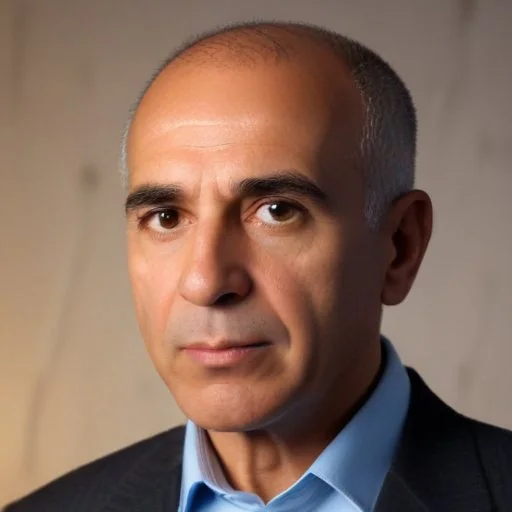
Born in 1954 in Marrakech, Morocco, Vanunu immigrated to Israel with his family at the age of nine. Growing up in a devout Jewish family, he was instilled with a strong sense of duty to serve his country. In 1976, he began working at the Dimona nuclear facility, where he was tasked with monitoring the production of nuclear materials. However, as he delved deeper into the facility's inner workings, Vanunu became increasingly disillusioned with Israel's nuclear ambitions, which he believed posed a grave threat to regional and global stability.
Vanunu's concerns about Israel's nuclear program eventually turned to outrage, and he realized that he had to act. In 1986, he fled to London, where he contacted The Sunday Times and handed over a trove of classified documents and photographs detailing Israel's nuclear weapons production. The revelations sparked widespread outrage and condemnation, with many countries calling for Israel to dismantle its nuclear program.
Vanunu's bravery came at a tremendous personal cost. On September 30, 1986, just days after the story was published, he was kidnapped by the Mossad, Israel's secret service, in Rome. He was subsequently put on trial, found guilty of treason and espionage, and sentenced to 18 years in prison. Despite international pressure, Vanunu was held in solitary confinement for over 11 years, subjected to psychological torture, and denied basic human rights.
Vanunu's imprisonment sparked a global outcry, with human rights activists, anti-nuclear campaigners, and whistleblower advocates demanding his release. In 2004, after serving 18 years, Vanunu was finally freed, but his ordeal was far from over. He was placed under strict house arrest, barred from leaving Israel, and subjected to continued harassment and surveillance.
Today, Mordechai Vanunu is hailed as a hero by many for his courageous stand against Israel's nuclear ambitions. His bravery has inspired generations of whistleblowers, human rights activists, and anti-nuclear campaigners. Though his story is marked by suffering and hardship, it serves as a powerful testament to the importance of truth, accountability, and the unyielding pursuit of justice.
Comparing Vanunu's whistleblowing to other notable cases, such as Edward Snowden's NSA revelations and Daniel Ellsberg's Pentagon Papers leak, highlights the significance of his actions. Like these whistleblowers, Vanunu faced severe consequences for his bravery, but his revelations had a profound impact on international relations and nuclear disarmament efforts.
Unlike Snowden, who revealed widespread surveillance practices, Vanunu's disclosures targeted a specific country's nuclear program, exposing its clandestine activities and sparking a global outcry. Meanwhile, Ellsberg's leak focused on the US government's handling of the Vietnam War, whereas Vanunu's revelations had far-reaching implications for global security.
The geopolitical context in which Vanunu's revelations took place cannot be overstated. The 1980s were marked by heightened tensions between Israel and its neighbors, with the Israeli-Palestinian conflict simmering in the background. Vanunu's disclosures coincided with a period of increased nuclear proliferation in the Middle East, with countries like Iraq and Iran pursuing their own nuclear programs.
In this volatile environment, Vanunu's whistleblowing forced Israel to confront its own nuclear ambitions, leading to increased international pressure and scrutiny. The fallout from his revelations also had implications for regional security agreements and the global non-proliferation regime.
Vanunu's personal life and motivations are a crucial aspect of his whistleblowing story. Born into a devout Jewish family, he was instilled with a strong sense of duty to serve his country. However, as he delved deeper into the nuclear program, he became increasingly disillusioned with Israel's priorities and the potential consequences of its actions.
This internal conflict ultimately drove Vanunu to take a stand, despite the risks to his own life and freedom. His bravery and conviction have inspired countless others to speak out against injustice and advocate for greater transparency and accountability.
Vanunu's whistleblowing has had a profound cultural impact, inspiring numerous books, films, and plays. The award-winning documentary "Vanunu and the Bomb" is just one example of how his story has resonated with artists and audiences alike.
In addition, Vanunu's revelations have influenced the way people think about nuclear weapons and the importance of transparency in government. His courageous act has become a symbol of resistance against the secrecy and opacity that often characterize nuclear programs.
Historiographically, Vanunu's whistleblowing represents a critical turning point in the study of Israel's nuclear program. Prior to his revelations, the program was shrouded in secrecy, with little information available to scholars and researchers.
Vanunu's disclosures opened up new avenues of inquiry, allowing historians and scholars to reexamine the development of Israel's nuclear capability and its implications for the region. As such, his whistleblowing has had a lasting impact on the field of nuclear history and the study of nuclear proliferation.