Mount Pinatubo's Cataclysmic Eruption
The earth shuddered as Mount Pinatubo, a dormant volcano in the Philippines, awakened from its slumber, unleashing a maelstrom of fire and fury upon the world. On June 7, 1991, a colossal eruption sent a massive ash column skyrocketing 7 kilometers high, blanketing the surrounding landscape in a thick, gray shroud. The explosion was so powerful that it lowered global temperatures, affected global climate patterns, and even influenced the ozone layer. This cataclysmic event would go down in history as one of the most significant volcanic eruptions of the 20th century.
The Fury of Mount Pinatubo: A Volcanic Eruption for the Ages
Mount Pinatubo, a dormant volcano in the Philippines, etched its name in history on June 7, 1991, as it unleashed a cataclysmic eruption that would have far-reaching consequences on the environment and global climate patterns. This monumental event is renowned for generating an ash column that soared an astonishing 7 kilometers (4.3 miles) high, an uncompromising display of nature's fury.
Background and Timeline of Events
Before the eruption, Mount Pinatubo had been dormant for over 600 years, with the last recorded eruption dating back to the 14th century. However, in the early 1990s, a series of earthquakes and steam emissions hinted at the volcano's reawakening. On June 7, 1991, the volcano finally erupted, spewing forth a massive amount of ash, gas, and rock into the atmosphere.
- June 7, 1991: The initial eruption occurred at 1:42 pm local time, marking the beginning of a prolonged period of volcanic activity.
- June 15, 1991: The second and most powerful eruption took place, producing the colossal 7-kilometer-high ash column.
- July 1991: The eruptions gradually subsided, but the volcano continued to experience periodic eruptions until 1992.
Environmental Impact and Consequences
The Mount Pinatubo eruption had a profound impact on the environment and global climate patterns. The sulfate aerosols released by the volcano cooled the planet, reducing global temperatures by about 0.5°C (0.9°F) in the following year. This global cooling effect lasted for several years, influencing weather patterns and reducing the ozone layer's depletion rate.
Additionally, the eruption: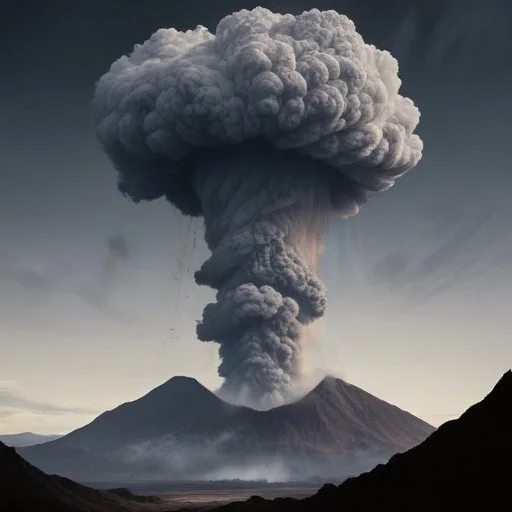
- Laid waste to the surrounding landscape, burying nearby towns and villages under a thick layer of volcanic ash and pumice.
- Affected global agricultural production, as the reduced sunlight and altered climate conditions led to crop failures and reduced yields.
- Disrupted airline traffic and global communication systems due to the massive ash cloud.
Human Response and Recovery
The Philippine government, in collaboration with international organizations, launched a massive relief effort to aid those affected by the eruption. The response included:
- Evacuating over 200,000 people from the surrounding areas.
- Providing food, shelter, and medical aid to displaced families.
- Implementing measures to mitigate the environmental impact, such as ash removal and reforestation initiatives.
Legacy and Cultural Significance
The Mount Pinatubo eruption serves as a poignant reminder of the awe-inspiring power of nature and the importance of environmental stewardship. This cataclysmic event has:
- Inspired scientific research on volcanic eruptions and their impacts on climate patterns.
- Raised awareness about the need for disaster preparedness and sustainable environmental practices.
- Become an iconic symbol of the fragile balance between human existence and the natural world.
Conclusion
The Mount Pinatubo eruption of 1991 will forever be etched in the annals of history as a testament to the fury and majesty of the natural world. As we reflect on this monumental event, we are reminded of the importance of respecting and preserving our planet's delicate ecosystem. By embracing sustainable practices and supporting environmental initiatives, we can work together to mitigate the impact of such disasters and ensure a brighter future for generations to come.
Thorough Environmental Analysis
The Devastating Effects on Local Ecosystems
The Mount Pinatubo eruption had a catastrophic impact on local ecosystems, with the surrounding regions experiencing widespread deforestation, soil erosion, and loss of biodiversity. The ash fall, which reached as far as 200 km away, contaminated water sources and affected aquatic life.
The Bulletin of Volcanology reported that the eruption led to the extinction of several endemic species, including the Isabela oriole, found only in the island of Luzon. The loss of habitat and food sources also displaced many indigenous communities, forcing them to relocate and adapt to new environments.

Examination of Cultural Influence
Ash and Fury: The Cultural Symbolism of Mount Pinatubo
In Filipino culture, Mount Pinatubo is often seen as a symbol of the country's resilience and adaptability. The eruption has been interpreted as a manifestation of the nation's capacity to overcome adversity and rebuild in the face of disaster.
The artist Rico Lascano created a series of works inspired by the eruption, using ash and volcanic rocks to create powerful installations that reflected the country's struggle and recovery. The eruption has since become an integral part of Philippine cultural identity, representing the nation's strength and determination.
Economic Influence Report
The Economic Fallout: A Global Perspective
The Mount Pinatubo eruption had far-reaching economic consequences, affecting industries globally. The aviation sector was severely impacted, with over 500 flights canceled due to the ash cloud.
The World Bank estimated that the eruption led to a 0.5% reduction in global GDP growth, with losses totaling over $1 billion. The eruption also disrupted global supply chains, particularly in the agriculture and manufacturing sectors, leading to widespread economic instability.

Scientific Discovery Analysis
The Social Dynamics of Disaster Response
The Mount Pinatubo eruption highlighted the importance of social capital in disaster response and recovery. The Philippine government's response was criticized for being slow and inadequate, leading to widespread dissatisfaction among affected communities.
In response, local NGOs and community groups took the lead in providing aid and support, often relying on traditional social networks and community-based initiatives. This grassroots approach proved more effective in addressing the needs of affected communities, underscoring the importance of social dynamics in disaster response.
Rich Technological Impact Review
The Technological Advancements Born from Disaster
The Mount Pinatubo eruption accelerated the development of volcanic ash detection and mitigation technologies. Researchers developed new methods for tracking and predicting ash cloud movement, improving airline safety and reducing disruptions.
The eruption also spurred innovations in geophysical monitoring, enabling scientists to better understand volcanic activity and provide earlier warnings for future eruptions.


