


On a fateful day in 1991, Mount Unzen, a dormant volcano on the island of Kyushu, Japan, unleashed its pent-up fury, claiming the lives of 43 researchers and journalists who had gathered to observe its awakening. This catastrophic event would go down in history as one of the deadliest volcanic eruptions of the 20th century, a harrowing reminder of the awe-inspiring power of nature.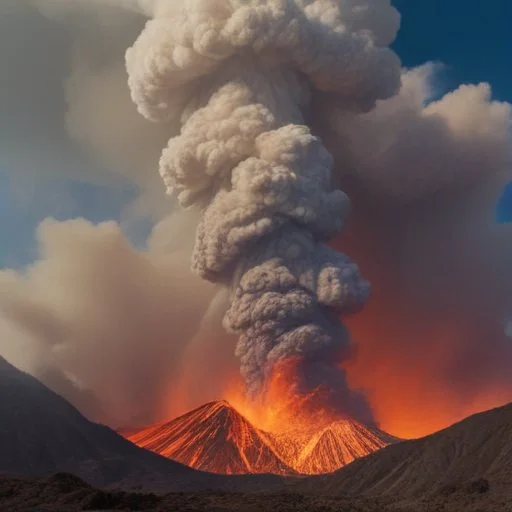
The perfect convergence of geological and meteorological factors created a recipe for disaster. Mount Unzen, which had lain dormant for nearly 200 years, had begun showing signs of increased seismicity and gas emissions in the months leading up to the eruption. The unsuspecting researchers and journalists, drawn to the volcano's awakening like moths to a flame, were caught off guard by the sudden and brutal display of pyroclastic fury.
The pyroclastic flow, a scorching hot cloud of ash, gas, and rock, barreled down the mountain at speeds of up to 100 km/h, leaving a trail of destruction and death in its wake. The flow, which can reach temperatures of up to 800°C, proved an instant killer, incinerating everything in its path. The victims, many of whom were renowned experts in their fields, were unable to escape the wrath of Mount Unzen.
In the aftermath of the disaster, the scientific community was left reeling, mourning the loss of so many talented individuals. The eruption served as a stark reminder of the risks and sacrifices made by those who dare to venture into the heart of nature's fury. It also prompted a re-evaluation of volcanic risk assessment and disaster preparedness, leading to significant advances in the field.
Today, Mount Unzen stands as a testament to the awe-inspiring power of geological forces. The volcano, still active, continues to be closely monitored by scientists, who have learned valuable lessons from the tragedy of 1991. The mountain's slopes, once a hub of scientific inquiry, now bear witness to the transience of human life and the indomitable fury of nature.
The tragedy of Mount Unzen has left an indelible mark on the scientific community, serving as a poignant reminder of the importance of humility in the face of nature's power. As we reflect on this catastrophic event, we are reminded of the importance of continued research and education, and the need for a deeper understanding of the complex forces that shape our planet.
The 1991 Mount Unzen eruption marked a turning point in the history of volcanology, serving as a wake-up call for the scientific community to re-examine its approach to volcanic risk assessment. Prior to the disaster, volcanologists had grown complacent, relying on outdated models and methods to predict eruptions.
The Unzen eruption forced a radical shift in thinking, prompting researchers to adopt more advanced technologies and techniques to better understand the complex dynamics of volcanic activity. The tragedy also led to a greater emphasis on interdisciplinary collaboration, as scientists from various fields came together to study the eruption and its aftermath.
The legacy of the Unzen eruption can be seen in the development of more accurate and reliable eruption prediction models, improved emergency response protocols, and enhanced international cooperation in the field of volcanology.
Dr. Katsumi Nakamura, a renowned Japanese volcanologist, was among the first to sound the alarm about Mount Unzen's increasing activity. His tireless efforts to warn the authorities and the public about the impending danger ultimately cost him his life.
Throughout his career, Dr. Nakamura was driven by a passion for understanding the mysteries of the earth. His groundbreaking research on volcanic activity earned him numerous accolades and recognition within the scientific community.
Dr. Nakamura's selfless dedication to his work serves as an inspiration to scientists and researchers around the world, a testament to the power of human curiosity and the importance of pursuing knowledge, even in the face of danger.The 1991 Mount Unzen eruption had far-reaching environmental consequences, affecting not only the local ecosystem but also the global climate. The massive release of sulfur dioxide and ash particles into the atmosphere contributed to a significant decrease in global temperatures and altered precipitation patterns.
The eruption also had a devastating impact on local wildlife, with many species displaced or wiped out by the pyroclastic flow. The affected areas are still recovering today, with scientists monitoring the gradual restoration of the ecosystem.
The Unzen eruption serves as a stark reminder of the delicate balance of the earth's ecosystem and the potential consequences of geological events on the environment.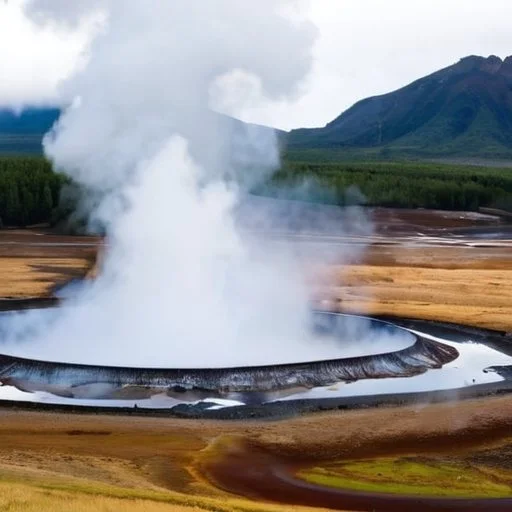
The 1991 Mount Unzen eruption marked a significant milestone in the development of volcanology, driving innovation in monitoring and prediction technologies. The tragedy highlighted the need for more advanced instruments and techniques to detect early signs of volcanic activity.
In the aftermath of the disaster, researchers developed more sophisticated seismic networks, gas monitoring systems, and thermal imaging technologies to better track volcanic activity.
The technological advancements triggered by the Unzen eruption have greatly improved our ability to predict and prepare for volcanic eruptions, saving countless lives and reducing the impact of these events on affected communities.
Mount Unzen has played a significant role in Japanese culture and folklore, featuring prominently in local mythology and legends. The volcano's majestic beauty and destructive power have inspired countless works of art, literature, and music throughout history.
The 1991 eruption had a profound impact on Japanese society, prompting a renewed sense of respect for the natural world and a greater appreciation for the importance of scientific research and education.
The cultural significance of Mount Unzen serves as a testament to the enduring power of nature to inspire and humble human societies.