


In the annals of Mumbai's history, few events rival the sheer fury of the 2005 floods, which saw the city receive a record-breaking 99.5cm of rain in a mere 24 hours – an equivalent of 39.17 inches. The consequences were devastating: over 5,000 people lost their lives, and the city's infrastructure was left reeling.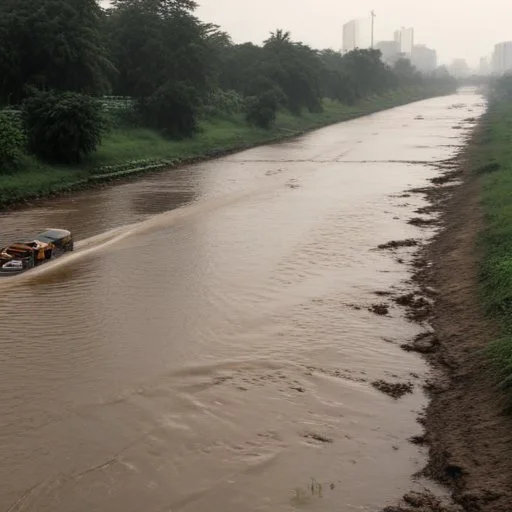
The catastrophe exposed the city's deep-seated urban planning issues, which had been simmering beneath the surface for years. Mumbai's inadequate drainage system, clogged waterways, and reckless construction practices all contributed to the disaster. The city's streets transformed into rivers, and homes became swamps, rendering thousands homeless.
The floods brought Mumbai to a standstill. The city's transportation networks were paralyzed, with flights grounded, trains halted, and roads submerged. The usually bustling streets of Mumbai were deserted, as people struggled to come to terms with the scale of the disaster.
The humanitarian toll was staggering. Over 5,000 people lost their lives, and countless more were left without access to basic necessities like food, water, and shelter. The government faced intense criticism for its response to the disaster, with many accusing officials of being slow to react and inadequate in their relief efforts.
In the aftermath of the floods, the government was forced to confront the city's systemic problems. Reforms were implemented to improve the city's drainage system, and new regulations were put in place to curb reckless construction. However, the disaster also highlighted the need for more sustainable and environmentally-conscious development practices.
Despite the devastation, Mumbai's residents demonstrated remarkable resilience. Communities came together to provide aid and support to those affected, and the city slowly began to rebuild. The 2005 floods served as a wake-up call, prompting Mumbaikars to re-examine their relationship with the city and the environment.
The 2005 floods will be etched in Mumbai's memory forever. It was a harsh reminder of the importance of sustainable urban planning, environmental stewardship, and community resilience. As the city looks to the future, it does so with a renewed sense of purpose, determined to avoid another such catastrophe.
The 2005 Mumbai floods were a stark reminder of the ecosystem's delicate balance and the devastating consequences of environmental neglect. The floods were not just a natural disaster, but a culmination of human activities that disrupted the natural flow of water. The destruction of wetlands, mangroves, and waterways, coupled with the construction of high-rise buildings and paved roads, had altered the city's topography and increased its flood vulnerability.
The floods also highlighted the importance of preserving natural buffers against natural disasters. The destruction of mangroves and wetlands, which absorb excess rainwater and prevent flooding, exacerbated the disaster. The event underscored the need for sustainable urban planning that prioritizes environmental conservation and mitigates the risks of climate change.
In the aftermath of the disaster, the government implemented measures to restore the city's natural buffers. Efforts were made to rejuvenate the city's rivers, restore mangroves, and create green spaces that could absorb excess rainwater. The floods served as a wake-up call, prompting the city to adopt a more sustainable approach to development.

The historiography of the 2005 Mumbai floods is a complex and multifaceted field of study. The event has been interpreted through various lenses, including urban planning, environmental studies, and social justice. Some historians view the floods as a symbol of the city's resilience and capacity to adapt to natural disasters, while others see it as a manifestation of the failures of urban governance and planning.
Other scholars have situated the floods within the broader context of India's economic liberalization and the rise of neoliberalism. They argue that the disaster was a consequence of the government's emphasis on rapid economic growth and privatization, which led to the neglect of public infrastructure and services.
The floods have also been the subject of oral history projects, which have documented the experiences and narratives of those affected by the disaster. These personal accounts provide a humanizing perspective on the event, highlighting the emotional toll and personal struggles of those who lived through the floods.
The 2005 Mumbai floods share striking similarities with other urban floods that have occurred in recent years. The 2012 Hurricane Sandy in New York, the 2011 Bangkok floods, and the 2010 Pakistan floods all demonstrate the common themes of urbanization, climate change, and inadequate infrastructure.
Comparative analysis reveals that these floods were not isolated events, but rather symptoms of a larger global phenomenon. They highlight the need for cities to adopt sustainable and adaptable approaches to urban planning, which prioritize the protection of natural habitats and the mitigation of climate change.
Moreover, the comparative study of urban floods underscores the importance of international cooperation and knowledge sharing. By examining the responses to these disasters, cities can learn from each other and develop more effective strategies for disaster preparedness and mitigation.

The 2005 Mumbai floods had a profound impact on the social dynamics of the city. The disaster brought to the forefront the existing social and economic inequalities, as the poorest and most vulnerable communities were disproportionately affected.
The floods sparked a wave of community-led initiatives and grassroots movements, which sought to address the social and economic inequalities that had contributed to the disaster. The event highlighted the need for more inclusive and participatory approaches to urban planning, which prioritize the needs and concerns of marginalized communities.
The floods also led to a renewed focus on social justice and human rights, as activists and civil society organizations called for greater accountability from the government and corporations.
The 2005 Mumbai floods were part of a larger pattern of extreme weather events that year, which had significant geopolitical implications. The disaster coincided with the devastating Hurricane Katrina in the United States and the Pakistani earthquake, which collectively highlighted the global vulnerability to natural disasters.
The floods underscored the need for international cooperation and diplomacy in the face of climate change and natural disasters. The event prompted the Indian government to re-evaluate its disaster management strategies and seek assistance from international organizations and NGOs.
Furthermore, the floods had significant implications for India's diplomatic relations, as the country received aid and assistance from various international actors. The event demonstrated the importance of building robust international partnerships and agreements to address global challenges.