


The El Cobre disaster, triggered by a massive Mw 7.4 earthquake in Chile, will forever be etched in the annals of history as a stark reminder of the catastrophic consequences of human negligence and natural fury. This calamitous event, which occurred on a fateful day, left an indelible mark on the town of El Cobre, claiming the lives of at least 500 innocent people and reducing the once-thriving community to a scene of utter devastation.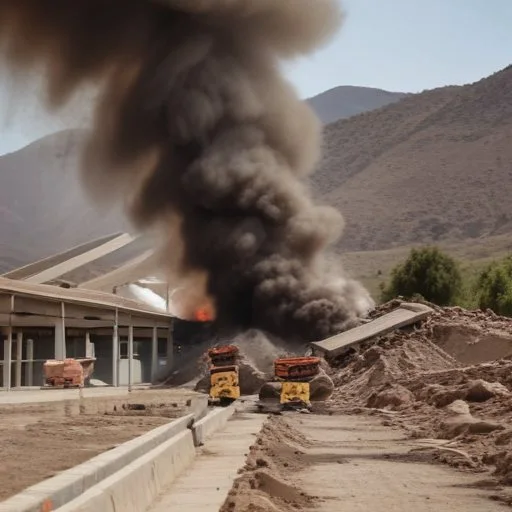
In the aftermath of the disaster, it became painfully clear that a combination of human error, lax regulations, and corporate greed had created a perfect storm of negligence. The earthquake, though a natural phenomenon, was merely the catalyst that set off a chain reaction of events that had been waiting to unfold. The tailings dams, built to store toxic mining waste, had been inadequately designed and poorly maintained, making them vulnerable to even the slightest seismic activity.
As the earthquake struck, the dams burst, unleashing a torrent of deadly mining waste that swept through the town of El Cobre like a toxic tsunami. The residents, caught off guard and woefully unprepared, were buried under a thick layer of debris, their screams and cries for help muffled by the crushing weight of the disaster. The once-quaint town was transformed into a desolate wasteland, its very fabric torn asunder by the sheer force of the catastrophe.
In the aftermath of the disaster, the true extent of the tragedy began to unfold. The 500-plus lives lost were not mere statistics; they were fathers, mothers, sons, and daughters, whose lives were brutally cut short by the callous disregard of those responsible. The survivors, left to pick up the pieces of their shattered lives, were forced to confront the harsh reality of corporate greed and government apathy. The town of El Cobre, once a thriving community, was reduced to a mere shadow of its former self, its people forever scarred by the memories of that fateful day.
The El Cobre tragedy serves as a stark reminder of the importance of safety protocols, emergency preparedness, and corporate accountability. It is a clarion call to action, urging governments, corporations, and individuals to re-examine their priorities and values. As we remember the victims of this senseless tragedy, we must also acknowledge the systemic failures that led to it. Only by learning from the past can we hope to build a safer, more compassionate future.
In the years that followed the disaster, a new sense of awareness and activism began to take root. The El Cobre tragedy sparked a wave of protests, demanding greater accountability from corporations and governments alike. The disaster also led to a major overhaul of safety regulations, mandating stricter guidelines for the design and maintenance of tailings dams. Though the town of El Cobre will never be the same, its people will not be forgotten. Their memory will live on, serving as a poignant reminder of the devastating consequences of human negligence and the importance of fighting for a safer, more just world.
In the end, it is the people who suffered, who lost their lives, and who were forever changed by the El Cobre tragedy who must be remembered. Their stories, though marked by tragedy, are testaments to the resilience of the human spirit. As we reflect on this calamitous event, we must also honor the memories of those who were lost, and strive to create a world where such tragedies are never allowed to occur again.
The El Cobre disaster not only claimed hundreds of lives but also had a devastating impact on the environment. The toxic mining waste that flooded the town contaminated the soil, water, and air, leaving a lasting scar on the ecosystem. The nearby rivers, which were once teeming with aquatic life, became lifeless streams of polluted water.
The environmental damage was further exacerbated by the lack of proper waste management practices at the mining site. The tailings dams, which were meant to store the toxic waste, were poorly designed and maintained, making them prone to leakage and spills. The resulting contamination of the soil and water has had long-term effects on the local wildlife and vegetation.
The environmental impact of the El Cobre disaster serves as a stark reminder of the importance of responsible mining practices and the need for stricter regulations to prevent such disasters in the future.

The El Cobre tragedy had a profound impact on the cultural fabric of the town and its people. The disaster struck at the heart of the community, leaving a deep sense of trauma and loss. The town's cultural identity, which was once rooted in its mining heritage, was forever changed by the event.
In the aftermath of the disaster, the town's cultural practices and traditions were forced to evolve. The annual festivals, which once celebrated the town's mining roots, were replaced by somber memorials and tributes to the victims. The town's folklore, which was once filled with stories of bravery and resilience, was now marked by tales of tragedy and loss.
The cultural impact of the El Cobre disaster serves as a testament to the power of tragedy to shape and transform a community's identity.
The El Cobre disaster is a significant event in the historiography of Chilean mining. It marks a turning point in the country's mining history, highlighting the need for greater safety regulations and corporate accountability.
Historians have drawn parallels between the El Cobre disaster and other mining tragedies around the world, highlighting the common themes of negligence and greed. The event has also been seen as a catalyst for change, sparking a wave of protests and activism that led to reforms in the mining industry.
The El Cobre disaster serves as a powerful reminder of the importance of learning from the past and the need for historians to continue to shed light on the darker aspects of human history.

The El Cobre disaster had significant political implications, exposing the cozy relationship between the mining industry and the government. The event highlighted the need for greater transparency and accountability in the mining sector.
In the aftermath of the disaster, the government faced intense pressure to reform the mining industry and hold those responsible accountable. The event led to a renewed focus on mining safety and the implementation of stricter regulations to prevent such disasters in the future.
The political impact of the El Cobre disaster serves as a testament to the power of tragedy to shape public policy and bring about change.
The El Cobre disaster highlighted the need for technological innovation in the mining industry. The failure of the tailings dams was a stark reminder of the limitations of current technology and the need for more effective safety measures.
In the aftermath of the disaster, there was a renewed focus on developing new technologies to improve mining safety. The event led to the development of more sophisticated safety monitoring systems and the implementation of more robust safety protocols.
The technological impact of the El Cobre disaster serves as a testament to the power of tragedy to drive innovation and improve safety standards.