


Napoleon Bonaparte's escape from the island of Elba on February 26, 1815, is one of the most intriguing and audacious feats in history, marking the beginning of his final campaign and sending shockwaves throughout Europe. This daring escape, orchestrated by the former Emperor of France, would go on to shape the course of European history and cement Napoleon's legend as a master strategist and charismatic leader.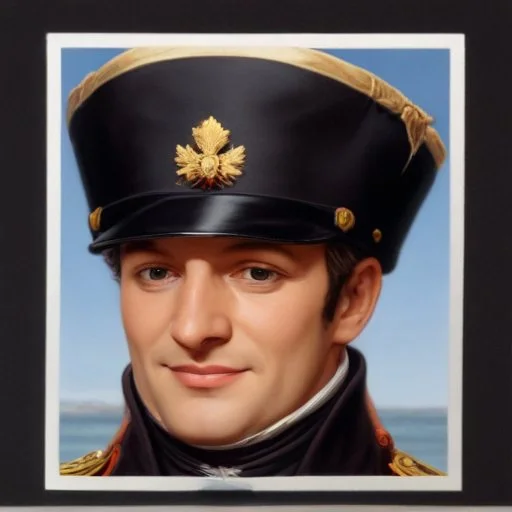
In April 1814, Napoleon Bonaparte, once the most powerful man in Europe, was forced to abdicate the throne and surrender to the British. The Treaty of Fontainebleau, signed on April 11, 1814, banished Napoleon to the island of Elba, a small Mediterranean island off the coast of Italy. The treaty granted him sovereignty over the island, but it was a far cry from the grandeur and power he once wielded.
Napoleon's exile on Elba was short-lived, and he soon began to plot his escape. He was aided by a network of loyal supporters, including his trusted generals, Bernadotte and Davout, who remained committed to his cause. Napoleon's brother, Lucien, played a crucial role in the escape, using his connections to secure a fleet of ships to transport Napoleon and his followers back to France.
The evening of February 26, 1815, was chosen for the escape. Napoleon and his loyal companions, disguised as British sailors, boarded the ship Inconstant, anchored off the coast of Elba. The signal for departure was given, and the small fleet set sail for the French mainland, carrying Napoleon and his destiny with it.
The news of Napoleon's return sent shockwaves throughout Europe. The French people, weary of the Bourbon monarchy, were electrified by the news of their beloved Emperor's return. As Napoleon marched towards Paris, his popularity and influence grew, and the French army began to defect to his side.
In a remarkably short period, Napoleon regained control of France, and his final campaign, known as the Hundred Days, began. Although ultimately defeated at the Battle of Waterloo on June 18, 1815, Napoleon's escape from Elba and subsequent return to power remain an unprecedented feat in history.
Napoleon's escape from Elba solidified his reputation as a cunning and resourceful leader. It also marked the beginning of his final campaign, which, although ultimately unsuccessful, would shape the course of European history for generations to come.
Napoleon's daring escape from Elba continues to inspire and fascinate people to this day, a testament to the enduring power of his legend and the indelible mark he left on history.
Napoleon's time on Elba was marked by restlessness and intrigue. He was known to receive clandestine visitors, including his loyal generals and admirers, who kept him informed about the political climate in France. These visitors often brought news of the growing discontent among the French people, who were struggling under the restored monarchy. Napoleon carefully manipulated these visits to his advantage, using them to spread rumors and misinformation about his intentions, thereby keeping his enemies off guard.
One such visitor was the Comte de Las Cases, a French nobleman who became Napoleon's confidant during his exile. Las Cases would later chronicle Napoleon's conversations and musings during his time on Elba, providing valuable insights into the former emperor's thoughts and feelings.
Napoleon's exile was also marked by a sense of nostalgia for his past conquests and glories. He would often spend hours poring over maps and reminiscing about his military campaigns. This nostalgia was tempered by a sense of determination, however, as Napoleon began to formulate plans for his eventual escape and return to power.

Lucien Bonaparte, Napoleon's younger brother, played a crucial role in the former emperor's escape from Elba. A charming and cunning diplomat, Lucien had maintained connections with various European powers, including the British, during Napoleon's exile. He used these connections to secure a fleet of ships to transport Napoleon and his followers back to France.
Lucien's involvement in the escape was not limited to securing ships, however. He also helped to orchestrate the logistics of the operation, including arranging for false identities and disguises for Napoleon and his companions. His role in the escape was instrumental in its success, and he remained a loyal and trusted advisor to Napoleon throughout the Hundred Days.
The European political landscape in 1815 was complex and volatile, with various powers vying for dominance. The Congress of Vienna, which had convenaed in 1814, was still ongoing, with diplomats and statesmen from across Europe negotiating the terms of the post-Napoleonic era.
The British, in particular, were concerned about Napoleon's potential return to power, and had taken steps to prevent it. They had stationed a fleet off the coast of Elba, ostensibly to monitor Napoleon's activities, but in reality to prevent his escape.
Meanwhile, the French people were growing increasingly disillusioned with the restored monarchy, which they saw as weak and ineffective. This discontent created a fertile ground for Napoleon's return, and his escape from Elba was seen as a bold and daring move that would restore French honor and prestige.

Napoleon's escape from Elba had a profound impact on European culture, inspiring a wave of romanticism and nationalism across the continent. The former emperor's daring escape and subsequent return to power were seen as a symbol of resistance against the established order, and inspired a generation of artists, writers, and musicians.
The escape also had a profound impact on French literature, with writers such as Victor Hugo and Honoré de Balzac drawing inspiration from Napoleon's exploits. The event was seen as a symbol of French heroism and grandeur, and was celebrated in poetry, prose, and art.
Napoleon's escape from Elba marked a turning point in European politics, as the former emperor sought to regain his power and influence. The event was seen as a challenge to the established order, and sparked a wave of reaction from European powers.
The British, in particular, were concerned about Napoleon's return, and began to mobilize their military and diplomatic resources to counter his influence. The French monarchy, meanwhile, was caught off guard, and struggled to respond to Napoleon's sudden return to power.
The event also had significant implications for the balance of power in Europe, as Napoleon's return sparked a series of alliances and counter-alliances that would shape the continent's politics for generations to come.