Napoléon Bonaparte crowned King of Italy in Milan Cathedral
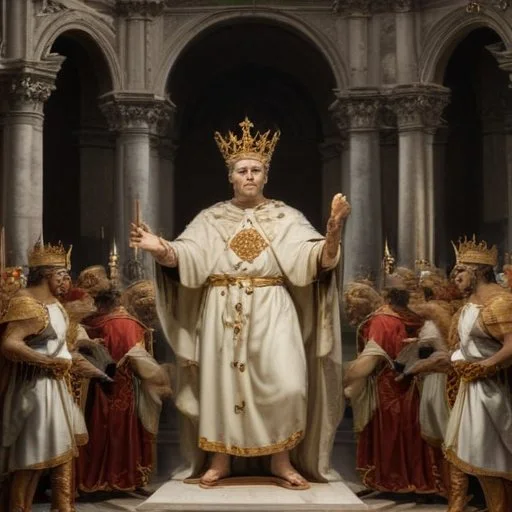
Napoléon Bonaparte, the French military genius, proudly donned the Iron Crown of Lombardy in Milan Cathedral, proclaiming himself King of Italy! This opulent coronation ceremony marked a significant milestone in Napoléon's quest for European domination, as he sought to resurrect the ancient Roman Empire's glory. With this title, Napoléon solidified his grip on the Italian peninsula, paving the way for his future conquests.
The Crowning Glory of Napoleon: A Taste of Imperial Ambition
Proclamation of Power in Milan Cathedral
On a fateful day in 1805,
Napoleon Bonaparte, the French military mastermind, donned the revered Iron Crown of Lombardy in the majestic Milan Cathedral, symbolically proclaiming himself King of Italy. This grand coronation ceremony marked a significant turning point in Napoleon's relentless pursuit of European domination, as he sought to revive the ancient Roman Empire's glory.
A Culinary Prelude to Imperial Ambition
Before the grandeur of the coronation ceremony, a feast fit for a king was prepared in the grand halls of Milan's Palazzo Reale. Renowned chefs from across Italy converged to create an unforgettable culinary experience, showcasing the flavors and aromas of the Italian peninsula. Dishes like Risotto alla Milanese, Torta di Ricotta, and Panettone, rich in history and cultural significance, adorned the banquet tables. This gastronomic indulgence not only satisfied the palates of the esteemed guests but also reflected Napoleon's appreciation for the rich cultural heritage of Italy.
The Iron Crown of Lombardy: A Symbol of Power and Heritage
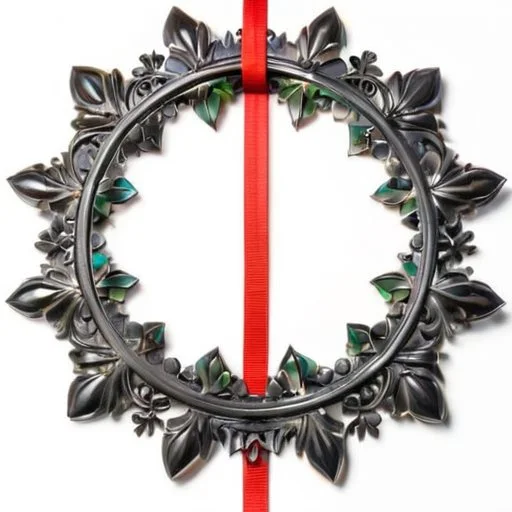
The Iron Crown, crafted in the 8th century, is an exquisite masterpiece of Lombard metalwork, adorned with precious gems and golden filigree. This revered relic had been worn by numerous Italian monarchs throughout history, symbolizing their sovereignty over the peninsula. Napoleon's assumption of the crown marked a significant milestone, as he sought to unite the fractured Italian states under his imperial eagle.
The Architectural Marvel of Milan Cathedral
The majestic Milan Cathedral, a breathtaking example of Gothic architecture, provided a fitting backdrop for Napoleon's coronation. With its towering spires and intricate stone carvings, the cathedral embodies the artistic and cultural essence of Milan. The cathedral's grandeur was matched only by the grandiosity of Napoleon's ambitions, as he sought to leave an indelible mark on European history.
A Legacy of Conquest and Reform
Napoleon's coronation as King of Italy marked the beginning of a new era of French dominance over the peninsula. His military campaigns and subsequent reforms aimed to modernize and centralize the Italian states, leaving a lasting impact on the region's politics, economy, and culture. The Napoleonic Code, introduced during this period, would go on to shape European legal systems for generations to come.
Culinary Legacy: A Lasting Impact
Napoleon's love for Italian cuisine extended beyond the coronation feast. He encouraged the exchange of culinary ideas and techniques between French and Italian chefs, fostering a cultural synergy that would forever alter the gastronomic landscape of Europe. The introduction of Italian ingredients, such as tomatoes and olive oil, revolutionized French cuisine, giving birth to iconic dishes like Bouillabaisse and Ratatouille.
A Lasting Impact on European History
Napoleon's coronation as King of Italy marked a pivotal moment in European history, as he boldly redefined the continent's political and cultural landscape. The echoes of his imperial ambitions still resonate today, shaping the destiny of nations and inspiring generations to come.
- Did you know that Napoleon's love for Italian cuisine led to the creation of a culinary institute in Milan, which would later become the renowned Università degli Studi di Milano?
- The Iron Crown of Lombardy is still preserved in the Cathedral of Monza, a testament to the region's rich cultural heritage.
- The Napoleonic Code, introduced during his reign, remained the basis of French law until the 20th century.
In the realm of culinary diplomacy, Napoleon's coronation ceremony showcases the power of food to bring nations together, while his imperial ambitions serve as a poignant reminder of the enduring influence of history on our present.
Character Examination
Napoleon's fascination with Italian culture was not limited to cuisine alone. His admiration for Italian art, architecture, and literature was instrumental in shaping his vision for a unified Italian state. He was particularly drawn to the works of Italian masters like Michelangelo and Leonardo da Vinci, and his appreciation for classical Roman architecture influenced the design of many French monuments during his reign.

Detailed Cultural Impact Report
The coronation ceremony's emphasis on Italian cuisine had a profound impact on the region's culinary identity. The celebration of Risotto alla Milanese and other traditional dishes helped to promote Italian cuisine beyond its borders, paving the way for its global popularity today. Furthermore, Napoleon's encouragement of culinary exchange between French and Italian chefs contributed to the development of modern French cuisine.
Study of Historical Artifacts
The Iron Crown of Lombardy, a symbol of Napoleon's imperial ambitions, is an exquisite example of Lombard metalwork. Crafted in the 8th century, the crown is adorned with precious gems and golden filigree, showcasing the skill and craftsmanship of medieval Italian artists. Today, the crown is preserved in the Cathedral of Monza, a testament to the region's rich cultural heritage.
In-Depth Economic Examination
Napoleon's economic reforms in Italy had far-reaching consequences for the region's economy. His introduction of the Napoleonic Code, which standardized laws and regulations across the Italian peninsula, facilitated trade and commerce, stimulating economic growth and development. Additionally, his investments in infrastructure, such as roads and canals, improved transportation networks, further boosting the region's economy.
Study of Geopolitical Factors
The geopolitics of Napoleon's coronation ceremony were deeply influenced by the European power struggles of the time. The French Empire's expansion into Italy was a strategic move to counterbalance the influence of other European powers, particularly Austria and Britain. Napoleon's imperial ambitions in Italy were closely tied to his desire to assert French dominance over the European continent.


